The Hardest Rolex Watches to Get Right Now (Boutique Waitlist Reality in 2026)
Walk into almost any Rolex boutique in 2026 and you’ll hear the same phrase: “We can add you to the waitlist.” But behind the polished counters and polite smiles lies a far more complex allocation system driven by purchase history, regional demand, and production bottlenecks. Here’s the real boutique reality — and which models remain virtually unobtainable at retail.
Boutique Waitlists vs Reality
Authorized Dealers rarely disclose true wait times. Officially, many boutiques quote “6–24 months” for popular steel sports models — but client data and secondary market flow suggest far longer timelines. In major metro markets, stainless professional references can stretch beyond five years depending on allocation volume.
Allocation is influenced by boutique size, regional demand, and brand shipment quotas.
Dealers prioritize long-standing clients, high jewelry buyers, and those with multi-watch purchase histories. For a deeper look at how production impacts availability, see our Rolex Production vs Demand breakdown.
Is the Steel Daytona Still King?
The stainless steel Cosmograph Daytona remains the hardest Rolex to acquire at retail in 2026. Even with reference updates and dial variations, demand continues to outpace supply at unprecedented levels.
Secondary premiums remain one of the strongest indicators of boutique scarcity.
Grey market spreads routinely exceed 2× retail pricing, reinforcing its position as Rolex’s ultimate allocation trophy. Market tracking from WatchCharts shows the Daytona consistently leading secondary price resilience among modern Rolex sports models.
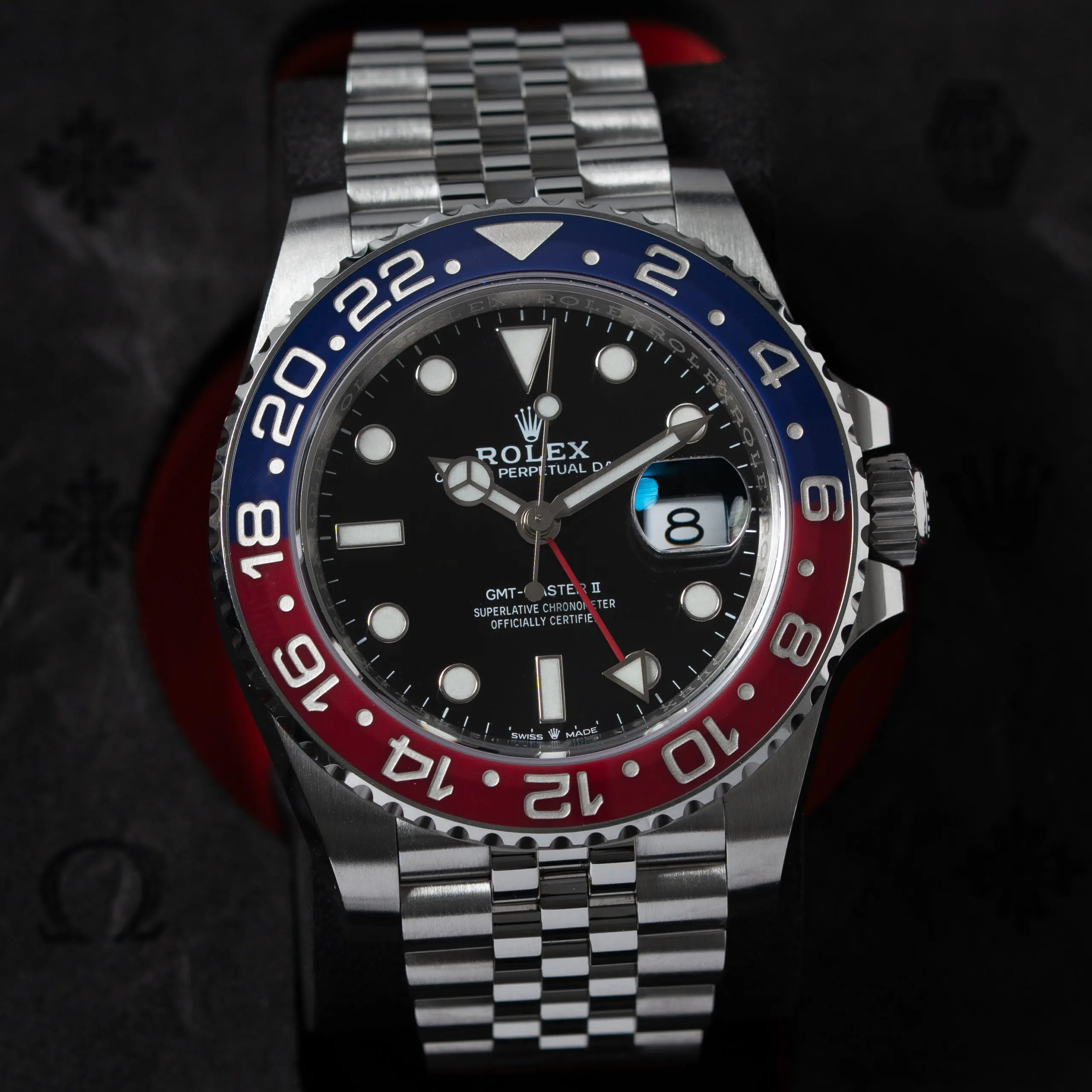
GMT-Master II “Pepsi” Allocation Truth
The GMT-Master II “Pepsi” on Jubilee has quietly rivaled the Daytona in allocation difficulty. Boutique shipment frequency remains low, and most units are reserved for VIP clients before reaching general waitlists.
Regional demand heavily skews Pepsi availability — U.S. and Middle East markets see the longest queues.
While some buyers report 3-year fulfillment windows, others remain unallocated after five. For collectors comparing modern GMT investment potential, our GMT Investment Outlook explores long-term value signals.
Rolex Models Easiest to Get
Not every Rolex requires a decade of purchase history. Two-tone configurations, precious metal references, and less hyped dial variants offer significantly faster allocation timelines.
Dealers often guide first-time buyers toward higher-margin pieces first.
Models such as the Datejust, two-tone Submariner, and certain Yacht-Master references frequently serve as entry points. While less scarce, they still maintain strong resale stability and brand prestige.
How First-Time Buyers Can Win Allocation
Boutique relationships remain the single biggest allocation lever. Consistent communication, milestone purchases, and genuine brand engagement dramatically increase placement priority.
“Interest lists” are not chronological — they are relational.
Buyers who diversify purchases across jewelry or precious metal watches often unlock steel sports allocations faster. Strategic patience — paired with spend history — continues to outperform pure waitlist positioning.
Waitlist Questions Answered
What is the hardest Rolex to get in 2026?
The stainless steel Daytona remains the most difficult Rolex to acquire at retail, followed closely by the GMT-Master II “Pepsi.”
How long are Rolex waitlists right now?
Depending on the model and purchase history, wait times can range from one year to over a decade.
Can first-time buyers get a steel sports Rolex?
Yes, but typically only after building a purchase relationship or starting with less scarce models.