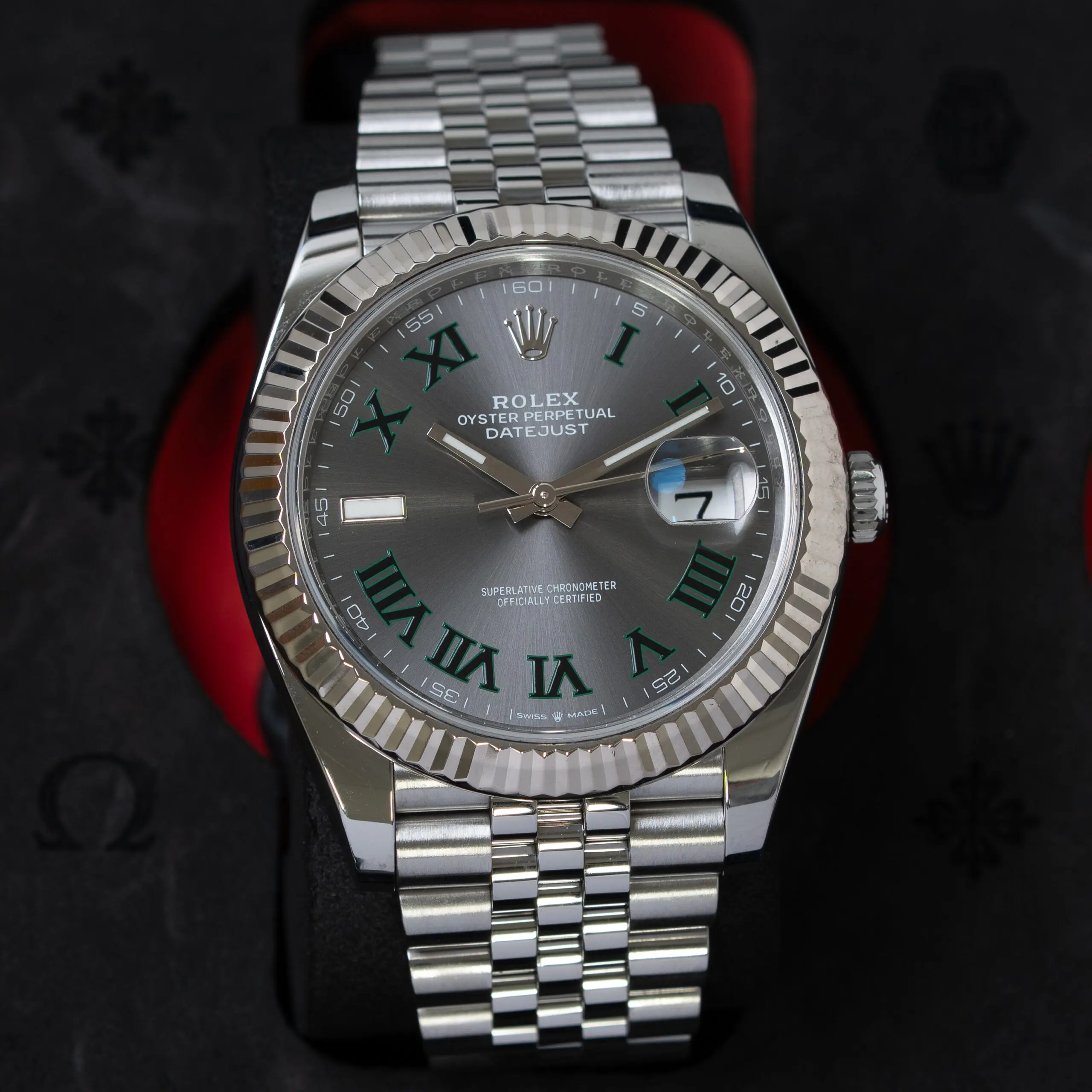
Rolex Certified Pre-Owned in 2026: How It Changes Trust and Pricing (and How to Shop It)
Rolex CPO can reduce uncertainty — but it can also raise the “trust premium.” In 2026, more buyers are using Certified Pre-Owned as a safety rail: official retailer, brand-backed checks, and a fresh two-year guarantee. That’s real value for the right person. But it doesn’t magically make every purchase “risk-free,” and it doesn’t always make the best financial sense if you know how to buy from strong independent sources.
This guide breaks down what Rolex Certified Pre-Owned really is, what the two-year guarantee does (and doesn’t) cover, how CPO can influence pricing, and how to decide between CPO and independent pre-owned using a simple checklist.
What Rolex CPO actually is
Rolex Certified Pre-Owned (CPO) is the brand’s official pathway for selling pre-owned Rolex watches through participating official retailers. The core idea is simple: the watch is authenticated and offered inside a controlled retail environment, with documentation and a fresh guarantee attached to the sale.
It helps certain buyers because the “unknowns” shrink. You’re not dealing with random sourcing, mysterious service history, or vague condition grading. You’re buying within an official retailer network where standards are more consistent, and where the watch is presented as a vetted piece rather than a “maybe.”
External citation (official): Rolex describes its Certified Pre-Owned program as brand-backed authentication sold through official retailers, and includes a two-year international guarantee. Rolex Newsroom
The two-year guarantee: what it means in practice
In real life, the two-year guarantee changes buyer psychology more than it changes the laws of watch collecting. When someone hears “Rolex-backed,” they often relax immediately — especially if they’ve been spooked by stories of swapped parts, hidden damage, or high-quality fakes.
That reassurance can be valuable. But here’s the practical truth: a guarantee is not the same as a perfect purchase. It does not erase the need to understand condition, originality, and expectations (especially if you care about value retention).
Think of the guarantee as “added coverage,” not a substitute for good buying. You still want clarity on what you’re actually receiving: condition notes, what was replaced, what is considered acceptable wear, and what the retailer’s return policy allows if the watch doesn’t match your expectations.
Also remember: CPO does not necessarily mean “newly serviced” in the way some buyers assume. Some watches may be evaluated, verified, and sold without a full overhaul. That’s why your questions matter: ask what was tested, what was corrected (if anything), and what documentation exists for service history.
How CPO affects pricing
Rolex CPO can widen pricing gaps because it introduces a visible “trust premium.” The buyer isn’t just paying for the watch — they’re paying for the environment it’s sold in, the perceived reduction of risk, and the value of a brand-backed guarantee attached to the transaction.
In many cases, that means a CPO listing may sit above a comparable independent pre-owned example, even when the independent watch is perfectly legitimate and in similar condition. The premium can reflect retail overhead and positioning, plus the buyer’s willingness to pay to avoid uncertainty.
One more factor to keep in mind: eligibility rules have shifted over time (including expanded eligibility reported in 2025), which can increase the pool of models appearing under CPO and make pricing comparisons more “apples to apples” — but it can also create a clearer tiering: CPO tier vs independent tier.
None of this is inherently bad. It just means you should be honest about what you’re paying for. If the premium buys peace of mind you truly value, it can be worth it. If you’re price-sensitive or you already have a trusted independent source, you may be paying extra for benefits you don’t fully need.
When CPO is worth paying for (and when independent wins)
CPO is often worth paying for when the cost of uncertainty is high for you. That usually includes first-time Rolex buyers, gift buyers (where “clean and safe” matters more than squeezing every dollar), and risk-averse clients who don’t want to become watch experts just to feel comfortable.
It can also make sense for models that attract heavy counterfeiting or for buyers who have had a bad experience before. If your priority is minimizing the chance of a surprise, CPO is designed to reduce that.
Independent pre-owned can be the smarter move when you trust the dealer, want better value, or want broader selection. Great independents can offer deeper variety (including discontinued references) and more flexible pricing. And for experienced buyers, the “trust premium” may be unnecessary if your buying process is already solid.
A clean independent purchase isn’t “less safe” by definition — it’s just more dependent on the quality of the seller and your process. The strongest independents win on transparency: condition grading, clear photos, documented history, and straightforward returns.
If you’re thinking about upgrading into something else this year, this simple sell-vs-wait checklist helps: sell vs wait decision checklist.
Your CPO checklist (simple + practical)
Use this as your quick “don’t miss the basics” checklist — whether you buy CPO or independent. The goal isn’t paranoia. It’s clarity.
- ✓Reference + serial match: Confirm the reference and serial align with paperwork and the watch in hand, and ask what records are provided with the sale.
- ✓Condition notes you can repeat back: Don’t accept “great condition” alone. Ask for specific notes: case wear, bezel wear, dial condition, bracelet stretch, and any replaced components.
- ✓Included accessories: Box, papers, hang tags, links, booklets, and any CPO documentation. These affect value and ease of resale later.
- ✓Service documentation: If it was serviced, when and what was done? If not, what testing was performed and what the seller recommends for maintenance timing.
- ✓Return policy in writing: Know your window, condition requirements, and whether sizing/bracelet adjustments affect returns.
- ✓Water resistance expectations: Especially for older/vintage pieces, don’t assume “waterproof.” Ask what level of water resistance is expected today, and whether it was pressure tested.
Want the cleanest value without guessing? Browse our current inventory, or text us what you’re comparing (CPO vs independent) and we’ll help you choose the smartest option.
FAQ
1) Does Rolex CPO mean the watch is “like new”?
No. It means the watch was authenticated and sold through an official retailer under the CPO program with a fresh two-year guarantee. Condition can still vary, so you should ask for clear condition notes and what documentation is included.
2) Will CPO always be more expensive than independent pre-owned?
Often, yes — because CPO can add a “trust premium” plus retail overhead and guarantee value. But pricing can vary by model, condition, and market timing. The key is deciding whether the premium is buying something you personally value.
3) If I buy CPO, what should I still verify?
Confirm the reference/serial details match documentation, understand the condition notes, and get clarity on included accessories and the return policy. Also ask about water resistance expectations and whether the watch was pressure tested, especially on older pieces.
References: Rolex Newsroom — Rolex Certified Pre-Owned Programme.