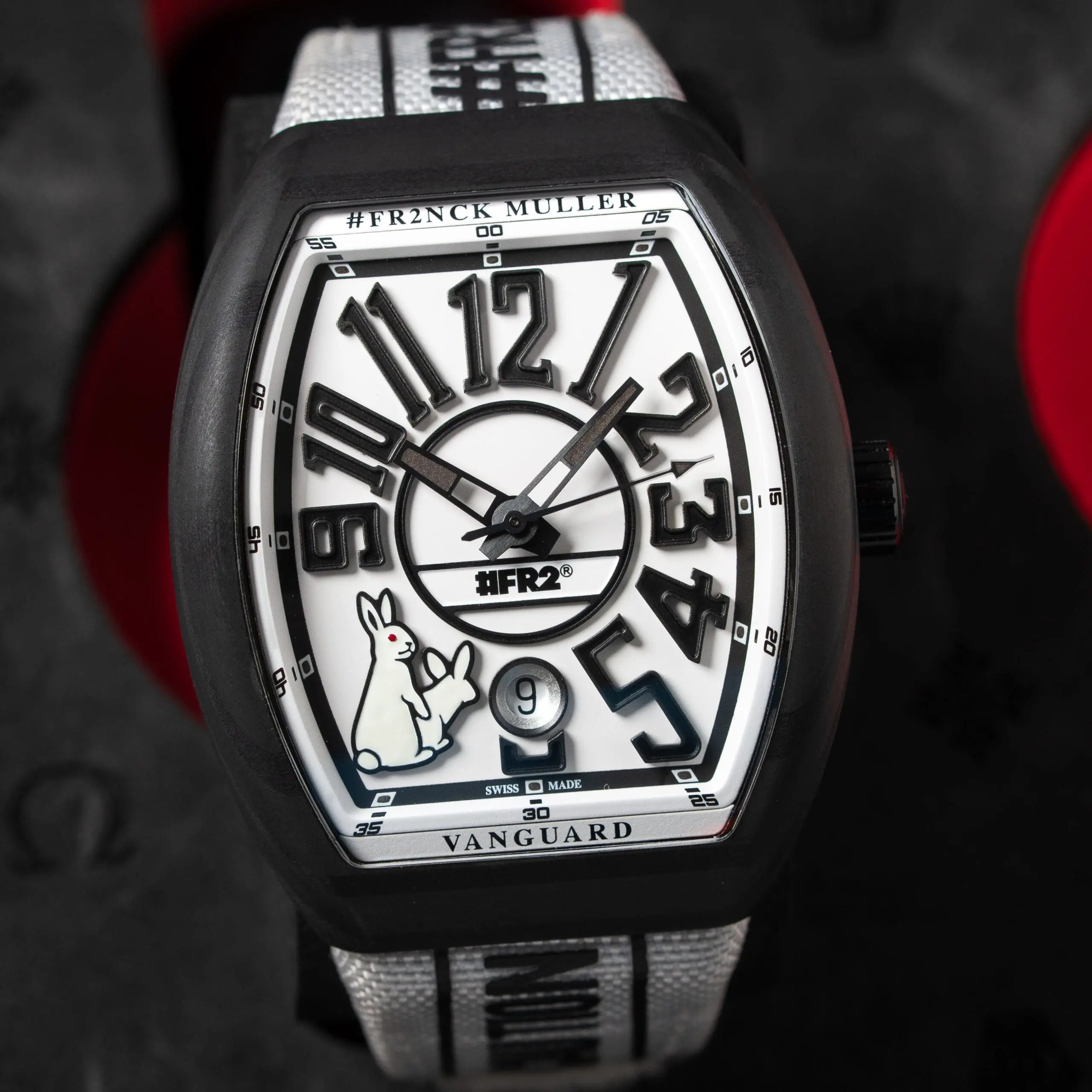
Why Watchmaker Collaborations Are Driving Resale Value in 2026
Collaboration watches are no longer just marketing stunts. In 2026, they have become one of the strongest drivers of resale premiums in the secondary market. When heritage brands combine forces or invite unexpected partners, the result is usually limited, polarizing, and highly collectible — exactly the ingredients that create scarcity, conversation, and strong aftermarket pricing.
This guide explains why collaboration watches are outperforming many standard releases, how to evaluate which partnerships actually matter, and what this trend means for buyers and sellers navigating the 2026 resale market.
Why collaboration watches feel different to buyers
Most watch releases are predictable. A new dial color, a case tweak, or a movement update usually appeals to existing fans of the brand. Collaboration watches work differently. They introduce an element of surprise, tension, and narrative that standard releases rarely achieve.
Collectors often describe these pieces as “conversation watches” rather than pure spec-driven purchases.
When two brands or a brand and a designer collide, buyers are not just buying a watch — they are buying the story, the experiment, and the moment in time. That emotional layer is a big reason these pieces trade differently on the secondary market.
What makes a collaboration actually successful
Not every collaboration becomes valuable. Many fade into obscurity once the initial hype wears off. The ones that hold or grow in value usually share a few structural traits.
- 1Real creative tension. The best collabs blend two different design languages instead of just adding a logo.
- 2Genuine production limits. Artificial scarcity is easy to spot. Real limits change buyer behavior.
- 3Clear identity. The watch should feel meaningfully different from both brands’ normal catalogs.
When these elements are missing, prices usually soften once the launch cycle ends. When they are present, the watch often becomes a reference point for the brand’s entire era.
How limited runs change long-term pricing behavior
Limited production changes the entire psychology of the market. Buyers are not comparing the watch to alternatives — they are racing against time and against each other.
This behavior is very different from how standard catalog watches are evaluated.
In the secondary market, this usually leads to thinner supply, more volatile pricing, and stronger reactions to news, celebrity sightings, or renewed attention from collectors. Even years later, the memory of “missing out” continues to support prices.
Examples of collabs that outperformed expectations
Some recent and semi-recent collaborations have shown how powerful this model can be when executed properly.
A true fusion of two unconventional brands that produced a piece unlike either could have made alone.
Proved that mass-market pricing can still create massive scarcity and secondary demand.
Showed how culture and watchmaking can collide in ways that pull in entirely new buyers.
Often become reference pieces because they push the limits of what a watch can be.
In many cases, these watches now trade at levels that surprised even early buyers, especially compared to standard production models from the same brands.
How to think about buying or selling collab pieces in 2026
In 2026, collaboration watches should be evaluated as their own category, not as variants of normal models. The story, the partners, and the context matter just as much as the specs.
This is especially true for buyers thinking about long-term holding versus short-term flipping.
For sellers, condition, completeness, and timing are critical. For buyers, the real question is whether the watch will still feel culturally relevant five or ten years from now — not just whether it is popular today.
FAQ
1) Are collaboration watches always a good investment?
No. Many collaborations fade after launch. Only those with real creative value and true scarcity tend to hold strong resale prices.
2) Do collaboration watches outperform standard models?
Some do, some don’t. The best ones often outperform, but poorly executed collaborations can underperform regular production pieces.
3) Should I buy a collaboration watch to flip or to hold?
That depends on the piece. Some are hype-driven short-term trades, while others are better suited for long-term collecting.