What to Ask Before Buying a $20k+ Watch in 2026
Spending $20,000 or more on a luxury watch isn’t just a purchase — it’s a commitment. In 2026, the biggest risk isn’t price. It’s provenance, service history, and whether the watch will hold real value after the honeymoon phase.
Buyers considering their first or next $20k+ luxury watch.
One wrong assumption can cost five figures in resale or repairs.
Provenance: Do You Know Where This Watch Has Been?
Provenance answers a simple but critical question: does this watch have a story you can verify? At the $20k+ level, you’re not just buying metal and mechanics — you’re buying confidence that the watch hasn’t been abused, modified, or passed through questionable hands.
Well-documented provenance reduces risk and protects resale value. Longtime collectors interviewed by Hodinkee consistently point to ownership history as a major factor in long-term desirability.
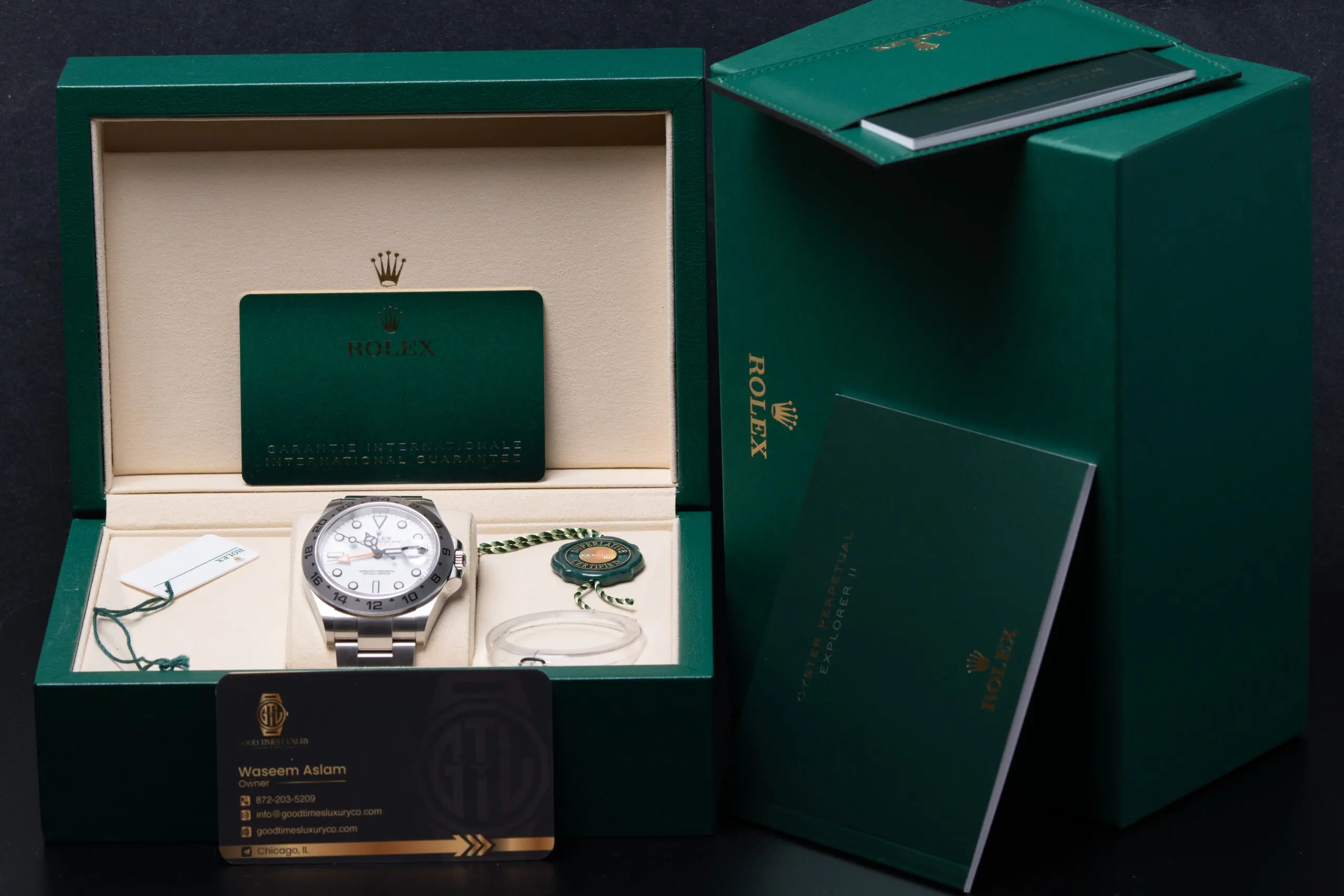
Ask who originally purchased the watch, whether it was worn daily or rotated occasionally, and if it has ever been traded privately. Original box, warranty card, purchase receipt, and consistent serial records aren’t “extras” — they’re safeguards.
Service History: When Was It Last Properly Serviced?
A mechanical watch is a machine under constant micro-stress. Oils degrade, tolerances shift, and unseen wear compounds over time. If a seller can’t clearly explain the service history, you should assume the watch is overdue.
Factory servicing provides peace of mind, but respected independent watchmakers can also be acceptable when documentation is clear.
Ask when the last service occurred, who performed it, what parts were replaced, and whether pressure testing and timing regulation were done. A recent full service can justify price — a missing one should lower it.
Originality: Are All the Parts Correct?
Originality is where many buyers lose money without realizing it. Dials, hands, bezels, crowns, and bracelets all matter, especially as collectors become more educated in 2026.
A watch can look “better” after polishing or replacement — and still be worth significantly less.
Ask directly whether any parts were replaced, refinished, or restored. Original wear is often preferable to modern perfection when long-term value is the goal.
Liquidity: How Easy Is It to Resell?
Liquidity determines how flexible your ownership really is. Some watches sell quickly at fair market value. Others require patience, discounts, or the right buyer at the right time.
Liquidity matters even if you think you’ll never sell — circumstances change.
Look beyond asking prices. Research completed sales, time-on-market, and demand for the exact reference. A watch that’s hard to resell locks up capital longer than most buyers expect.
Future Costs: What Will Ownership Really Cost?
The purchase price is only the beginning. Over a decade, servicing, insurance, potential parts replacement, and storage all add up — sometimes significantly.
Service pricing has risen sharply across several major brands in recent years.
Understanding long-term costs helps you decide whether the watch fits your life, not just your budget. A great watch should feel calm to own, not stressful.
Is buying a $20k+ watch in 2026 risky?
It can be if you skip due diligence. Asking the right questions reduces most of the risk.
Should I prioritize condition or originality?
Originality usually matters more long-term, even if the watch shows honest wear.
Is resale value guaranteed on luxury watches?
No. Research individual references, not just brand reputation.