Buying Guides
Best Luxury Watches Under $15,000 That Hold Value
If you’re stepping into entry-level luxury and want something you can enjoy now without taking a huge hit later, this guide is built for you. The goal isn’t “get rich” — it’s buying smart: strong demand, liquid models, and timeless references you can exit cleanly if you ever decide to trade up.
Best for cautious buyers
Steel sports & iconic everyday pieces tend to stay liquid because demand stays broad and consistent.
Best for long-term holds
Heritage references with stable design language and strong service support are easier to own and easier to resell.
What “Holds Value” Actually Means Under $15K
For entry-luxury buyers, “holds value” usually means you can resell without a painful surprise — not that you’ll automatically profit. The win is minimizing downside while wearing something you genuinely like.
In practice, value retention comes from liquidity (how fast it sells), price stability (how wide the market swings), and trust (how easy it is for the next buyer to verify authenticity and condition).
Watches that hold value best in this range tend to share the same traits: recognizable models, consistent demand, serviceable movements, and clear comps on the secondary market.
Top Picks Under $15,000 (By Buyer Type)
Below are “high-demand, easy-to-explain” references that tend to stay liquid. Exact pricing moves with the market, condition, and set, but these categories are the safest places to start if you’re buying cautiously.
A long-term market analysis from Chrono24 shows how certain brands and model families consistently perform better over time, which is why the picks here lean toward proven demand rather than hype.
Think of this as a shortlist of “I can always find a buyer” watches — the kind you can exit cleanly if you later want to consolidate into a grail piece.
- Daily icon: Rolex Datejust, Omega Aqua Terra, Cartier Santos (medium)
- Sport utility: Rolex Submariner (market permitting), Tudor Black Bay, Omega Seamaster Diver 300M
- Collector-friendly: Omega Speedmaster Professional, Tudor Black Bay Fifty-Eight, Cartier Tank
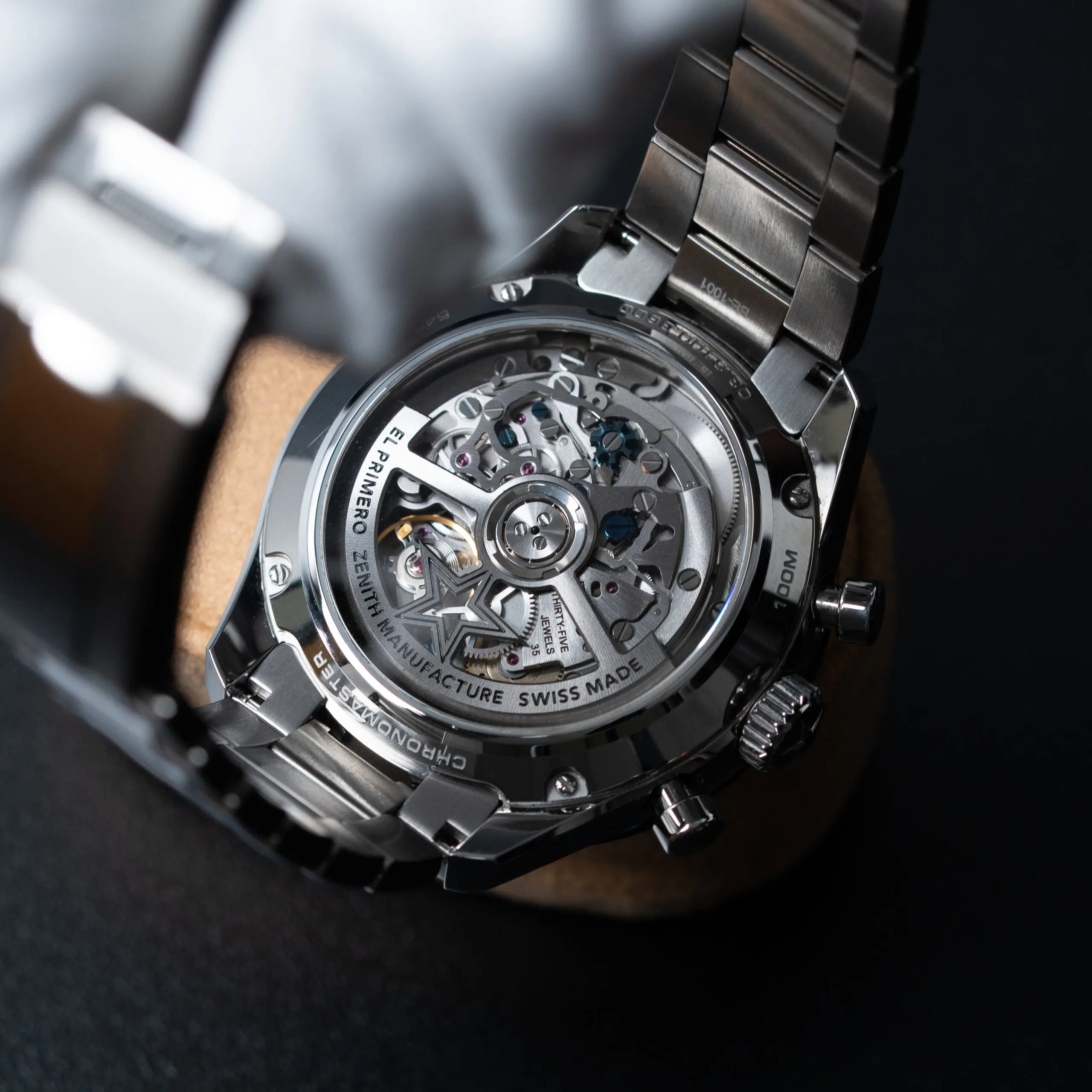
- Under-the-radar value: IWC Pilot, Zenith El Primero, Jaeger-LeCoultre Reverso
How To Buy These Safely (So You Don’t Lose Money)
If you’re entering cautiously, your best “hold value” move is reducing avoidable risk. Most losses happen from buying the wrong example — not the wrong model.
The safest approach is boring but effective: clean condition, full transparency, and no unanswered questions.
Original parts, honest service history, and seller credibility matter more than chasing a small discount.
Pricing, Negotiation, And When To Walk Away
Protecting value starts with discipline at purchase. If the price only works because you’re ignoring red flags, it’s not really a deal.
Always ask yourself: “Would I be comfortable explaining this watch to the next buyer?”
When that answer is no, walking away is the smartest financial move.
Ownership Habits That Protect Resale Value
Once you own the watch, value protection becomes about care and documentation. Small habits compound over time.
Most resale damage is preventable — lost links, unnecessary polishing, or missing paperwork.
Keep everything, service responsibly, and treat the watch as something you may one day explain to another collector.
Explore our guides, market insights, and brand breakdowns on the homepage.
Visit the homepage →
See current inventory and value-focused pieces available right now.
Browse the shop →
FAQ
Can a watch under $15,000 really hold value?
Yes — when bought correctly. The goal is liquidity and minimal downside, not guaranteed appreciation.
Is box and papers mandatory?
Not mandatory, but they reduce friction and usually help preserve resale value.
Should first-time buyers avoid hype models?
Usually, yes. Proven demand beats short-term hype when value retention matters.