Why Some Rolex Waitlists Are Quietly Shortening in 2026
After years of endless queues and closed books, certain Rolex waitlists are beginning to move again — quietly. For buyers paying attention, 2026 may offer small but real opportunity windows.
Shorter waitlists don’t mean demand collapsed — they signal selective buyer fatigue.
Informed buyers watching AD behavior rather than headlines.
The Shift Buyers Aren’t Talking About
Publicly, Rolex demand still looks intense. Walk into most authorized dealers and you’ll hear the same familiar language: long waitlists, limited allocations, and no guarantees. From the outside, it appears as though nothing has changed since the peak years of demand.
Quietly, though, something else is happening. Certain buyers are getting calls sooner than expected, especially for less-hyped configurations or repeat-client allocations. These changes don’t show up on social media, but they are being felt by buyers who stay engaged rather than discouraged.
This subtle movement is easy to miss because it isn’t uniform. It shows up model by model, dealer by dealer, and often depends on how flexible the buyer is willing to be.
Buyer Fatigue Is Starting to Show
Years of uncertainty have worn people down. Endless waiting, vague timelines, and changing rules have pushed some buyers out of the system altogether. Many simply stopped checking in or shifted their attention elsewhere.
That fatigue matters. When enough buyers stop playing the game, pressure eases in specific pockets of the market. Coverage from Bloomberg has pointed to cooling momentum across parts of the luxury watch market, which aligns closely with what some authorized dealers are now seeing on the ground.
Importantly, this isn’t about a lack of interest in Rolex as a brand. It’s about patience. Buyers are becoming more selective about how long they are willing to wait without clarity.
Not All Rolex Models Are Equal Anymore
The idea that every Rolex has an identical waitlist no longer holds up. Steel sports icons still attract deep queues, but other references are moving differently than they did just a few years ago.
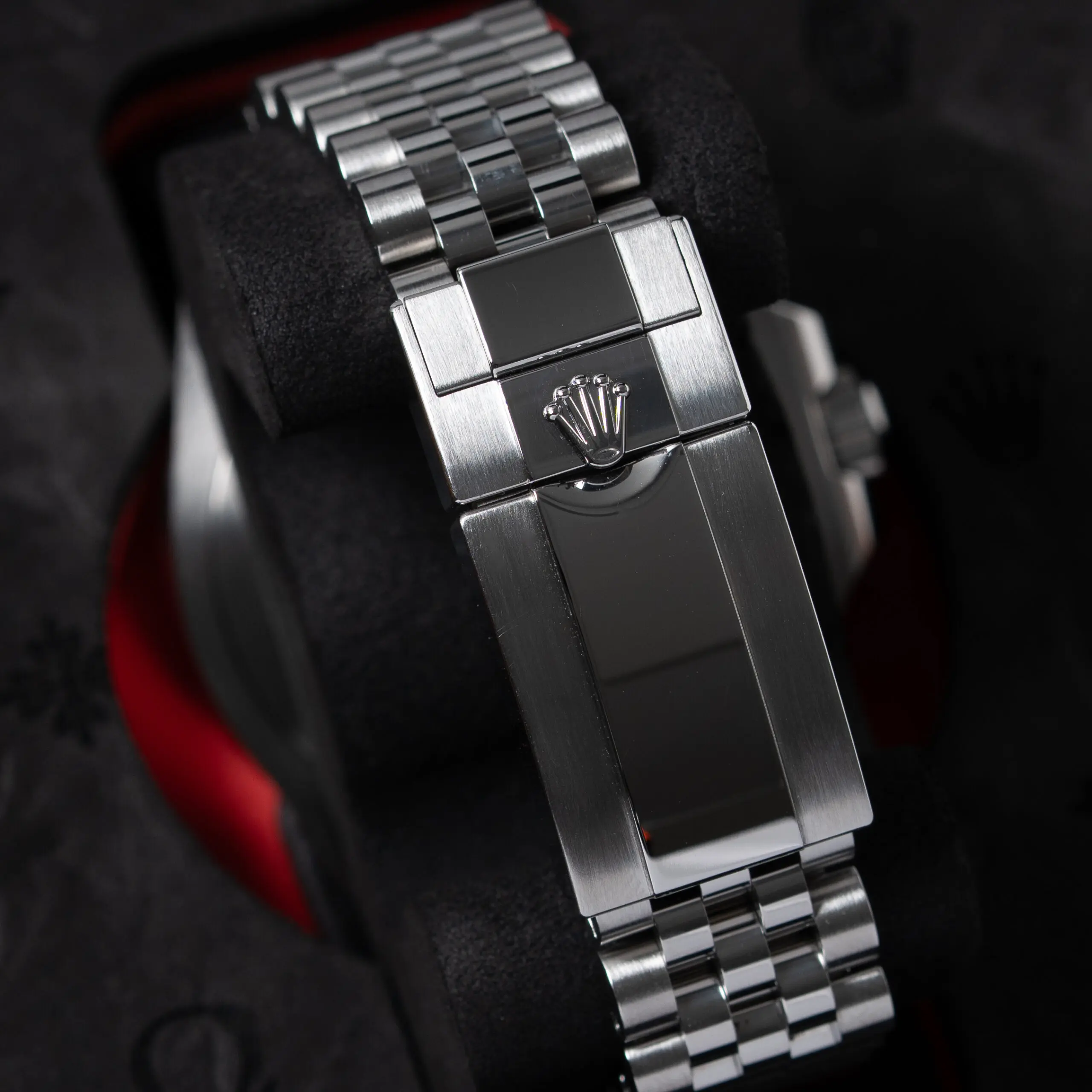
Dial color, metal choice, and even bracelet configuration now play a bigger role in allocation speed.
For flexible buyers, this creates leverage. Being open to alternatives can dramatically shorten the wait without sacrificing long-term value. In many cases, the difference between waiting years and months comes down to adaptability rather than connections.
Why Authorized Dealers Won’t Advertise This
Dealers have no incentive to broadcast shorter waitlists. Scarcity supports pricing power, brand prestige, and buyer behavior. Even modest improvements in availability are rarely communicated directly.
Instead, change shows up in subtle ways: faster follow-ups, softer language, and more proactive outreach to clients who previously felt ignored. These signals are easy to overlook unless you know what to watch for.
From a dealer’s perspective, maintaining the appearance of high demand is still beneficial — even if reality has become more nuanced.
What This Means for Buyers in 2026
This isn’t a return to walk-in availability. But it is a reminder that markets move in cycles — even when brands don’t acknowledge it. Momentum shifts first at the margins, not the center.
Buyers who stay patient, informed, and adaptable may find 2026 offering better odds than the past few years — especially compared to those still chasing only the most hyped references with rigid expectations.
Understanding how these quiet shifts work can be the difference between endless waiting and realistic progress.
Frequently Asked Questions
Are Rolex waitlists actually getting shorter in 2026?
In some cases, yes. Not universally — but selectively, depending on model and dealer behavior.
Does this mean Rolex demand is dropping?
No. Demand remains strong, but buyer patience and behavior are shifting after several years of strain.
Should buyers act now or wait longer?
It depends on flexibility. Buyers open to multiple configurations may benefit sooner than those waiting for one exact reference.