Comparisons
Omega Price Outlook 2026: Seamaster vs Speedmaster
If you’re choosing between a Seamaster and a Speedmaster in 2026, the real question isn’t “which is better?” — it’s which one stays easier to buy, sell, and enjoy without feeling punished later. Here’s how production scale, collector liquidity, and brand strategy shape value stability.
Best for
Seamaster: daily wear value + availability
Speedmaster: collector demand + liquidity
2026 expectation
Rolex premiums keep pushing buyers into “value-stable” brands. Omega’s strength is depth: lots of buyers, lots of references, and predictable supply.
What “price outlook” really means in 2026
Most people say “forecast” but they mean one of three things: retail price direction, secondary-market stability, or how fast a watch can be sold without taking a haircut. In 2026, Omega tends to win on stability because demand is broad and supply is consistent — you’re rarely paying a hype premium just to get in the door.
Rolex often behaves like a “premium asset” (entry prices inflated by scarcity and waitlists). Omega behaves more like a “high-liquidity luxury good” — less explosive upside, but far fewer surprise penalties.
So the smarter comparison isn’t “which will double?” It’s: which gives you the best ownership experience with the smallest regret tax if you decide to trade, upgrade, or exit later.
Brand strategy: production scale vs artificial scarcity
Omega’s strategy is volume + product depth: multiple dial options, materials, sizes, and frequent refreshes. That means the market always has comps (comparable listings), which reduces wild price swings while keeping buyers active across all budgets.
Industry coverage has increasingly focused on how production scale and brand positioning affect value retention in the post-hype market. A solid breakdown can be found in recent commentary from Hodinkee, which touches on how mainstream luxury brands are adjusting for 2026.
In practical terms, Omega buyers usually prioritize rational pricing and availability — which is exactly why the brand continues to attract collectors who want consistency rather than speculation.
Liquidity: which model family is easier to resell?
Liquidity is the hidden superpower. A watch can technically “hold value” but still be frustrating to move if the buyer pool is narrow. Speedmasters generally enjoy stronger liquidity thanks to universal recognition and repeat collector demand.
Seamasters can be just as stable, but resale depends more on the exact reference — size, dial, and generation matter because many buyers shop them as daily tools.
If you plan to rotate watches or trade within a couple of years, Speedmaster liquidity usually makes exits smoother. If you’re buying to wear regularly, Seamaster stability tends to feel better long-term.
Seamaster vs Speedmaster: value stability by buyer type
Seamaster (value-stability play): Ideal if you care about wear-per-dollar. Entry prices are reasonable, availability is high, and you can choose based on specs instead of hype.
Most Seamaster value dips come from overpaying at retail or choosing niche references — not from weakness in the model line itself.
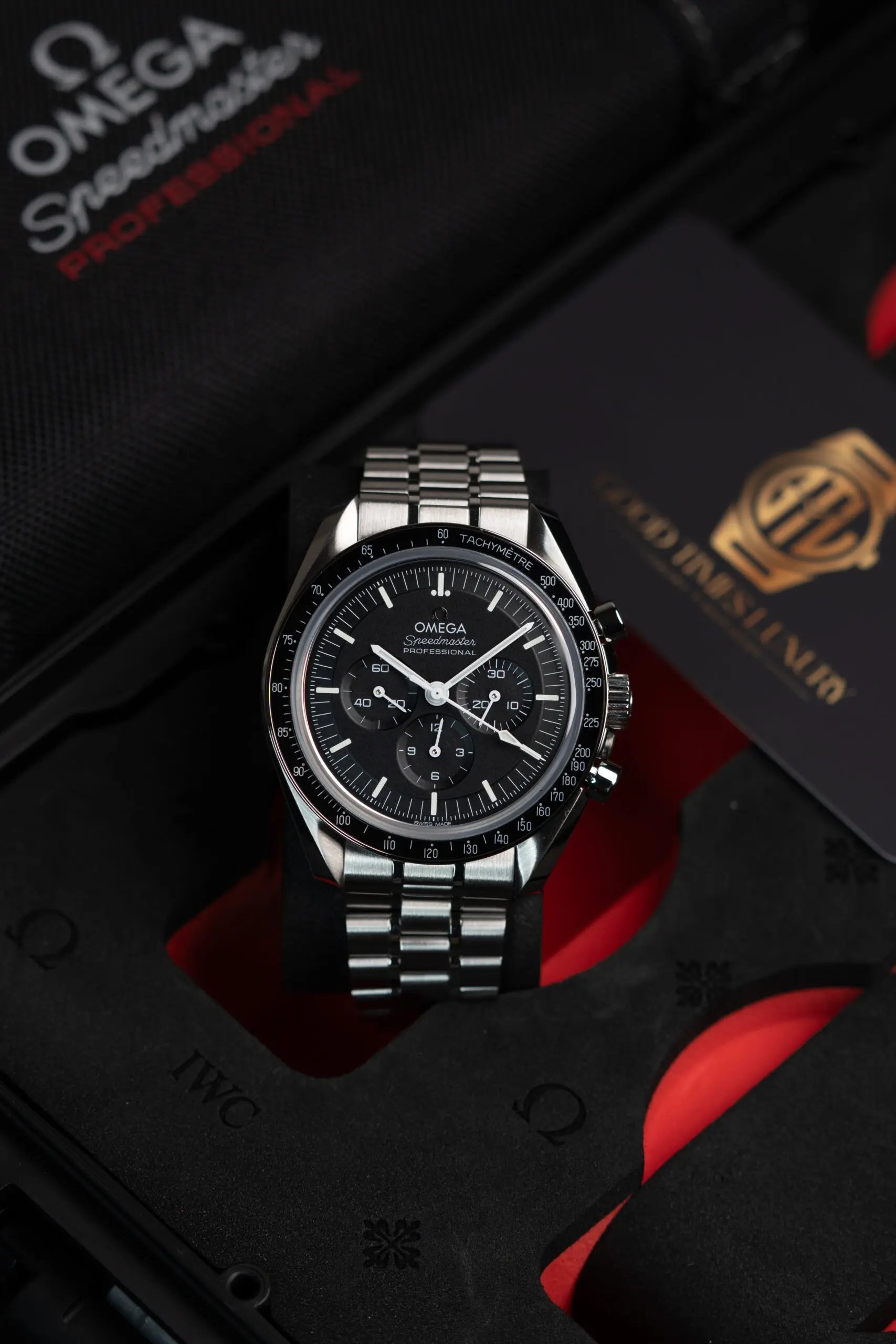
Speedmaster (liquidity play): Better suited to collectors who want flexibility. Classic configurations attract buyers consistently, and demand tends to recover quickly after market slowdowns.
How to buy in 2026 without overpaying
Decide how you might exit before you buy. The most recognizable references in clean condition attract the widest buyer pool and tend to be the least stressful to own.
Remember: value stability isn’t only about resale. It’s also about satisfaction — wearing the watch often without worrying about whether you “overpaid.”
As a rule of thumb, choose a Seamaster for everyday comfort and price sanity, and a Speedmaster for collector liquidity. In both cases, compare retail against the secondary market before committing.
FAQ
Which holds value better in 2026: Seamaster or Speedmaster?
Speedmasters usually win on liquidity, while Seamasters often offer better value stability for daily wear. The right choice depends on whether you value tradability or practicality.
Is 2026 a risky year to buy Omega?
Generally no. Omega pricing is less inflated by scarcity premiums, which reduces downside risk compared to brands driven heavily by hype.
What’s the safest way to buy Omega for value?
Stick to recognizable references, prioritize condition and completeness, and avoid paying peak retail when strong pre-owned options exist.