Market Outlook & Predictions
Why Rolex Steel Models Continue to Dominate Buyer Demand
Stainless steel Rolex sports models remain the epicenter of global watch demand. From first-time buyers to seasoned collectors, steel references consistently outperform precious metal counterparts in liquidity, waitlist activity, and resale velocity.
Demand driver
Steel sports references combine accessibility with brand prestige, expanding the buyer base.
Market signal
Waitlists, resale premiums, and allocation scarcity continue reinforcing steel dominance.
Steel as the Entry Point to Rolex Ownership
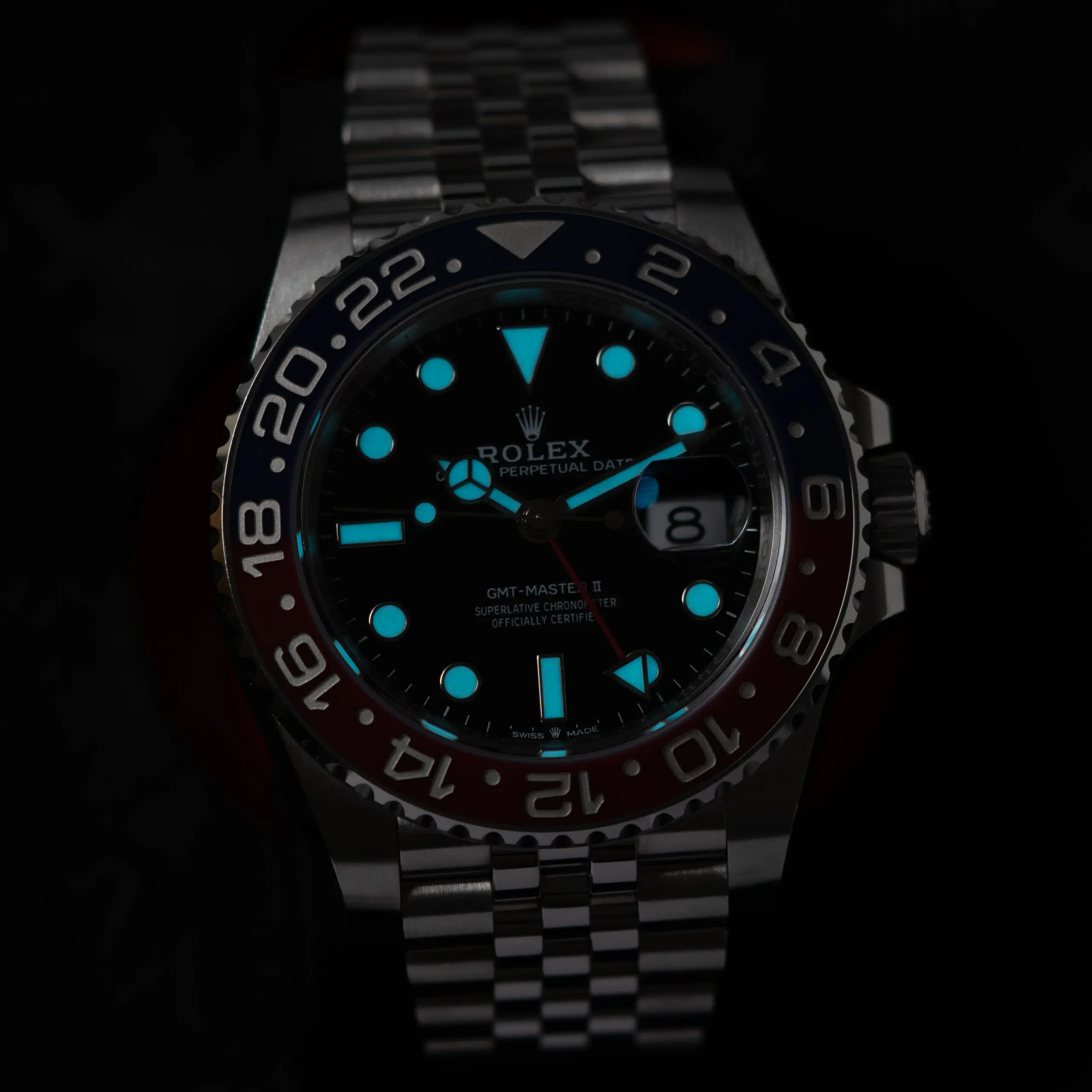
Stainless steel Rolex models serve as the gateway into the brand’s ecosystem. References like the Submariner, GMT-Master II, and Daytona offer the same mechanical pedigree as gold variants while remaining financially accessible to a broader buyer pool.
Accessibility and recognizability together create sustained global inbound demand.
Buyers entering the Rolex market often prioritize versatility and durability, making steel sports watches the logical first acquisition before exploring two-tone or precious metal references.
Supply Constraints vs Global Demand
Rolex steel production remains tightly controlled despite surging global interest. Authorized Dealers continue allocating sports references conservatively, sustaining long waitlists across most major markets.
Industry reporting from Hodinkee highlights how allocation limitations — rather than lack of manufacturing capacity — play a major role in preserving steel model scarcity.
This structural supply bottleneck reinforces steel’s perceived exclusivity, even though the material itself is less intrinsically valuable than gold or platinum.
Secondary Market Liquidity Advantages
Steel Rolex watches consistently demonstrate the highest resale liquidity in the secondary market. Transaction speed, bid depth, and dealer buy-back confidence all favor stainless steel sports references.
Buyers tracking allocation shifts and resale timing should review our analysis on quietly shortening Rolex waitlists, where we outline how dealer supply fluctuations impact steel premiums.
Because entry prices are lower, steel watches attract both collectors and investors, creating a deeper and more active resale pool than higher-priced precious metal pieces.
Cultural Influence & Daily Wear Appeal
Steel Rolex models dominate cultural visibility — from professional athletes to entrepreneurs and public figures. Their understated aesthetic signals success without the overt flash of gold.
Durability and versatility reinforce steel’s position as the practical luxury choice.
Stainless steel tolerates daily wear, travel, and physical activity better than softer precious metals, strengthening long-term ownership appeal.
- Lower visual ostentation — Subtle prestige vs overt luxury.
- Higher scratch resistance — More durable than gold alloys.
- Greater versatility — Works across casual and formal settings.
- Stronger resale pool — Wider global buyer base.
2026–2027 Demand Outlook
Looking ahead, steel Rolex demand is expected to remain structurally dominant. Even as production capacity evolves, brand allocation strategy will likely continue prioritizing scarcity over volume.
Emerging markets and younger luxury buyers continue reinforcing steel model visibility.
While precious metal references may see cyclical investment spikes, stainless steel sports models should continue anchoring the brand’s global demand engine through at least the late 2020s.
FAQ
Why are steel Rolex models harder to get than gold ones?
Dealer allocations prioritize scarcity, and steel sports models have far higher global demand.
Do steel Rolex watches hold value better?
In most cases yes — due to stronger liquidity and broader buyer demand.
Will waitlists for steel models shorten soon?
Some may ease slightly, but structural demand should keep supply constrained.