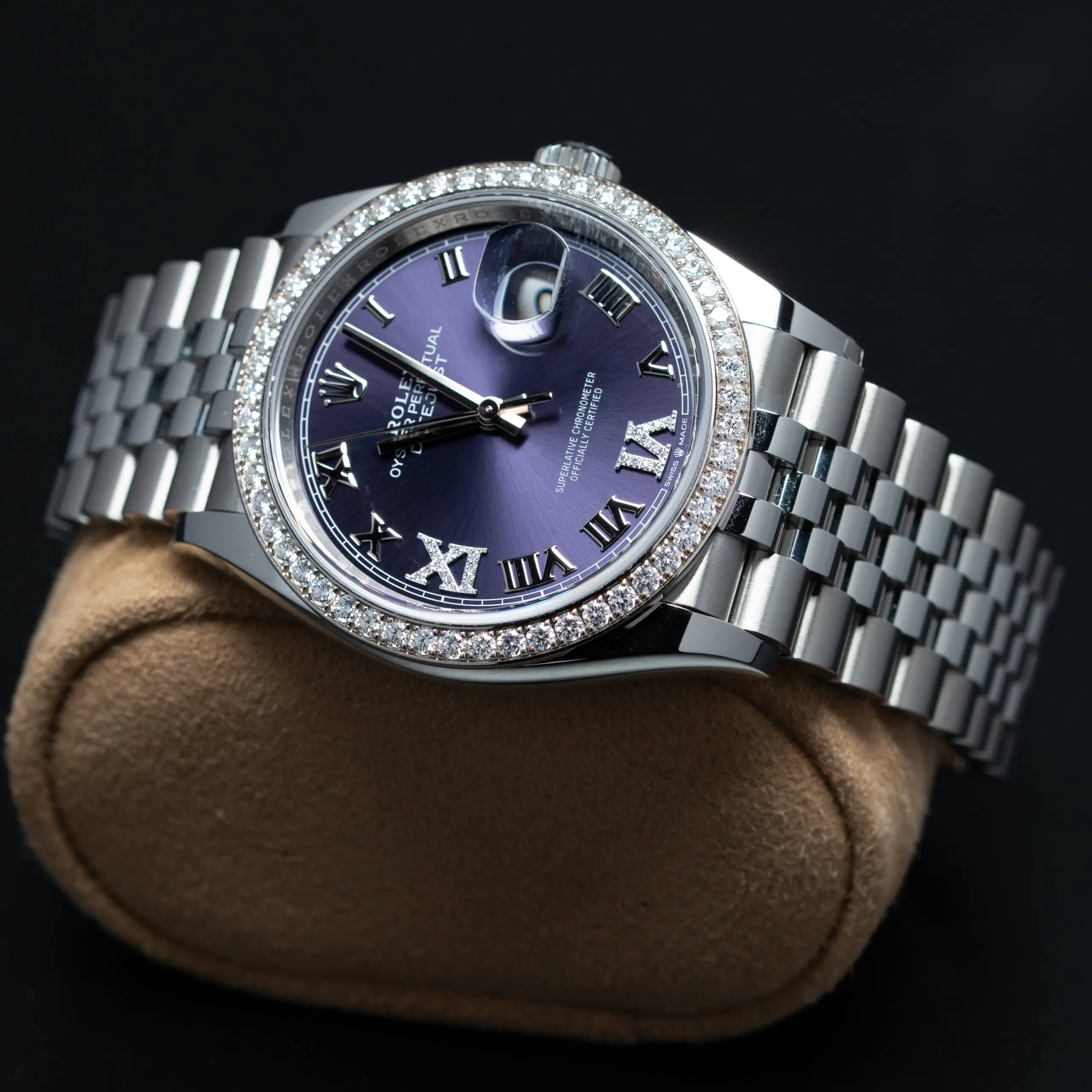
Global Rolex Demand Shifts and What Buyers Should Expect
Rolex demand is no longer driven by a single region or buyer profile. As global wealth distribution, travel retail, and collector behavior evolve, demand signals are shifting — reshaping waitlists, premiums, and acquisition strategy for 2026 and beyond.
Buying power is spread across more regions than before.
FX strength can redirect where purchases happen.
Airport and tourist hubs increasingly shape allocations.
Premiums move with demand, not just local supply.
Regional Demand Power Centers
Historically, Rolex demand was concentrated in North America and Western Europe. Those markets remain important, but buying power has grown across the Middle East, Southeast Asia, and parts of Eastern Europe — influencing how inventory is routed and where waitlists tighten fastest.
Major travel and luxury hubs can function like “liquidity magnets,” pulling in global buyers who are not tied to local dealer relationships.
Cities such as Dubai, Singapore, and Istanbul often act as global crossroads for high-net-worth tourism and cross-border watch shopping. That can intensify localized shortages for GMT-Master II, Daytona, and Submariner references — and those shortages can ripple into global secondary pricing.
How Currency & Wealth Cycles Influence Pricing
Currency strength plays a larger role in Rolex demand than many buyers realize. When the U.S. dollar strengthens, purchasing activity can shift toward U.S.-priced inventory and dollar-denominated listings, changing where supply clears fastest.
Coverage from Bloomberg has discussed how currency volatility can influence global luxury purchasing flows, particularly in hard-asset categories like watches.
When regional currencies strengthen — particularly in economies tied to commodities or strong capital inflows — luxury spending can accelerate, tightening supply on high-demand references and compressing secondary availability.
Travel Retail & Allocation Rebalancing
Post-pandemic travel recovery has reshaped allocation pressure. Airport boutiques and tourist-heavy flagship stores can receive increased inventory to capture global buyers in transit, especially in regions where international foot traffic is a core retail driver.
This can shorten waitlists in some domestic markets while making travel retail acquisition more competitive due to higher buyer density and faster sell-through.
We explore how these cross-border behaviors are evolving in our luxury watch market outlook analysis, where travel-driven demand is becoming a defining acquisition variable.
Secondary Market Demand Migration
As retail allocations rebalance, the secondary market absorbs the imbalance. Regions with tighter retail access often create stronger grey-market premiums because buyers compete for immediate availability.
Modern liquidity is global: dealer networks, private groups, and cross-border buyers connect supply and demand instantly.
This demand migration helps explain why certain references maintain price strength even during broader cooling periods. Liquidity often relocates rather than disappears — and premiums can follow the buyers.
What Buyers Should Do Strategically
Understanding global demand shifts allows buyers to act proactively rather than reactively. Acquisition timing, purchase geography, and model selection become strategic variables — especially when supply is constrained and spreads vary by region.
The most effective approach is typically “optionality”: more access points, more timing flexibility, and clearer model priorities.
- Diversify dealer relationships and access points
- Monitor currency-driven buying windows
- Leverage travel retail opportunities when realistic
- Track regional premium spikes before committing
- Prioritize globally liquid references
Buyers who think globally — rather than locally — often secure better availability, cleaner entry pricing, and stronger long-term liquidity advantages.
Which regions are driving Rolex demand growth?
The Middle East and parts of Southeast Asia are often cited as fast-growing demand centers, alongside established Western markets.
Does global demand affect resale prices?
Yes. Regional shortages and buyer migration can increase secondary premiums across markets, especially for globally liquid references.
Is it easier to buy Rolex abroad?
Sometimes. Travel retail can offer different inventory exposure, but competition is often higher and outcomes vary by location.