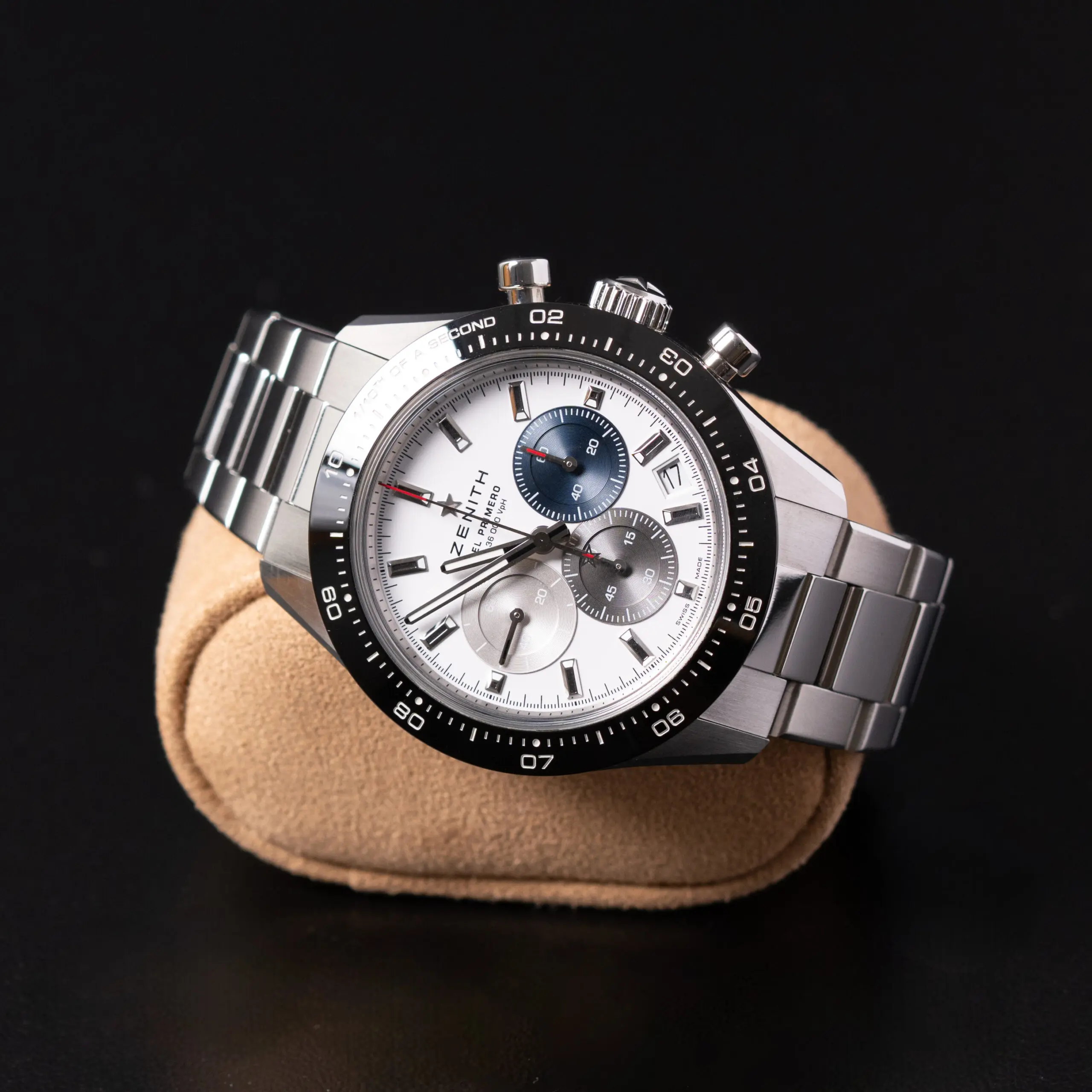
How Inflation Is Influencing Luxury Watch Prices
Inflation isn’t just impacting groceries, housing, and commodities — it’s reshaping the luxury watch market in real time. From boutique pricing adjustments to secondary market resilience, macro pressure is redefining how collectors, investors, and first-time buyers approach acquisition timing.
Brands pass costs through via gradual MSRP steps.
Replacement-cost logic pushes listings up quicker.
Core models absorb inflation pressure first.
Buyers accelerate purchases ahead of increases.
Inflation’s Direct Impact on Retail Watch Pricing
Luxury watch manufacturers operate within global supply chains that are sensitive to inflationary pressure. Rising costs in raw materials, transportation, skilled labor, and compliance flow downstream into retail pricing. Brands like Rolex, Patek Philippe, and Audemars Piguet often respond through incremental annual price increases rather than sudden jumps.
Industry coverage from WatchPro highlights how Swiss manufacturers have continued adjusting retail pricing in response to currency shifts, material costs, and macro inflation trends.
These increases serve two purposes: protecting margins and reinforcing exclusivity. When inflation accelerates, boutique price adjustments often follow within 6–12 months, creating ripple effects that can lift both new and pre-owned valuations.
Secondary Market Repricing Dynamics
While retail prices rise gradually, the secondary market reacts faster. Dealers and private sellers adjust listings using replacement-cost logic — if acquiring the same watch at retail becomes more expensive, resale valuations often reprice upward to match.
This dynamic becomes especially visible in steel sports models, where supply scarcity already constrains pricing and amplifies the effect of each MSRP step.
For broader macro context, see our luxury watch market outlook analysis, where acquisition friction and supply-chain costs compound scarcity across key references.
Why Hard Assets Gain Attention During Inflation
Inflation often drives investors toward tangible stores of value — assets that are portable, scarce, and globally recognized. Luxury watches increasingly sit alongside gold, art, and rare collectibles in that category.
Unlike pure currency exposure, collectible hard assets can retain value through scarcity, brand equity, and global buyer demand. That mix tends to strengthen when purchasing power declines.
In watch markets, the psychological shift can support prices even when broader luxury spending cools — particularly for universally recognized, high-liquidity references.
Brand-Level Pricing Strategies
Not all watchmakers respond to inflation identically. Tier-one brands often implement controlled price stair-stepping to preserve exclusivity while maintaining waitlist pressure. Mid-tier luxury brands may adjust more aggressively to offset margin compression and distribution costs.
Rolex, in particular, uses inflationary periods to reinforce long-term value perception. Strategic retail increases can lift pre-owned benchmarks over time, strengthening the brand’s reputation for retention rather than discount-driven demand.
In practice, these mechanisms create price floors that help stabilize the secondary market — especially for core references with consistent global demand.
Buyer Strategy in an Inflationary Cycle
Inflation changes buying behavior. Instead of delaying purchases, many collectors accelerate acquisitions to hedge against future MSRP increases. Waiting can mean paying materially more for the same reference 12–24 months later.
Strategic buyers typically prioritize liquidity, condition, and completeness. The goal is not just ownership — it’s preserving exit optionality if market conditions tighten.
In most inflationary cycles, the strongest positioning tends to favor highly liquid sport references, disciplined entry pricing, and full-set examples that hold buyer trust over longer ownership windows.
Do luxury watch prices always rise with inflation?
Not always. Inflation adds upward pressure, but demand, production levels, and market sentiment still determine final pricing.
Are steel sports models better inflation hedges?
Often yes, because global demand and liquidity are stronger and entry pricing is typically lower than precious metal references.
Should buyers wait for inflation to cool?
Waiting can mean facing higher retail and secondary prices if brands continue regular price adjustments.