Should You Diversify Your Watch Investment Portfolio?
As luxury watches attract more collector and investor capital, portfolio strategy matters more than ever. Diversification — a core principle in traditional investing — is shaping how serious buyers allocate funds across brands, metals, complications, and production eras.
Avoid being tied to one hype cycle.
Pair fast-sell pieces with longer holds.
Brands, metals, and eras move differently.
More paths to sell in soft markets.
Why Diversification Matters
Concentrating capital into a single watch model — or even one brand — exposes buyers to volatility tied to hype cycles, allocation changes, and collector sentiment. While blue-chip steel sports models have historically performed well, consolidation periods show the downside of overexposure.
Secondary-market commentary from Hodinkee notes how collector attention has broadened across independents and higher-complication categories, signaling a structural shift in how portfolios are built.
Diversification reduces downside risk while preserving upside exposure. Instead of relying on one appreciation curve, buyers benefit from multiple demand drivers operating simultaneously across the market.
Brand Allocation Strategy
A diversified watch portfolio typically spans multiple brand tiers. Rolex often functions as the liquidity anchor due to global recognition, while brands like Patek Philippe and Audemars Piguet introduce scarcity-driven upside and collector prestige.
Before allocating across brands, clarify intent: long-term collecting, active rotation, or personal enjoyment with resale optionality. Our investment vs personal wear strategy breaks down how usage patterns and ownership goals influence resale positioning.
Independents and niche maisons can act as higher-risk, higher-reward exposure, while blue-chip brands provide portfolio stability during softer market cycles.
Material & Model Mix
Diversification isn’t limited to brands. Case material, dial scarcity, complication type, and production era all influence long-term performance. Steel sports models tend to deliver the easiest exits, while precious metal references often trade in narrower pools but can reward longer holding periods.
A balanced mix typically includes at least one high-liquidity core piece, one medium-liquidity variant, and one collector-driven position that is less correlated to mainstream demand.
- Steel sports models → Highest liquidity
- Two-tone → Mid-cycle opportunity exposure
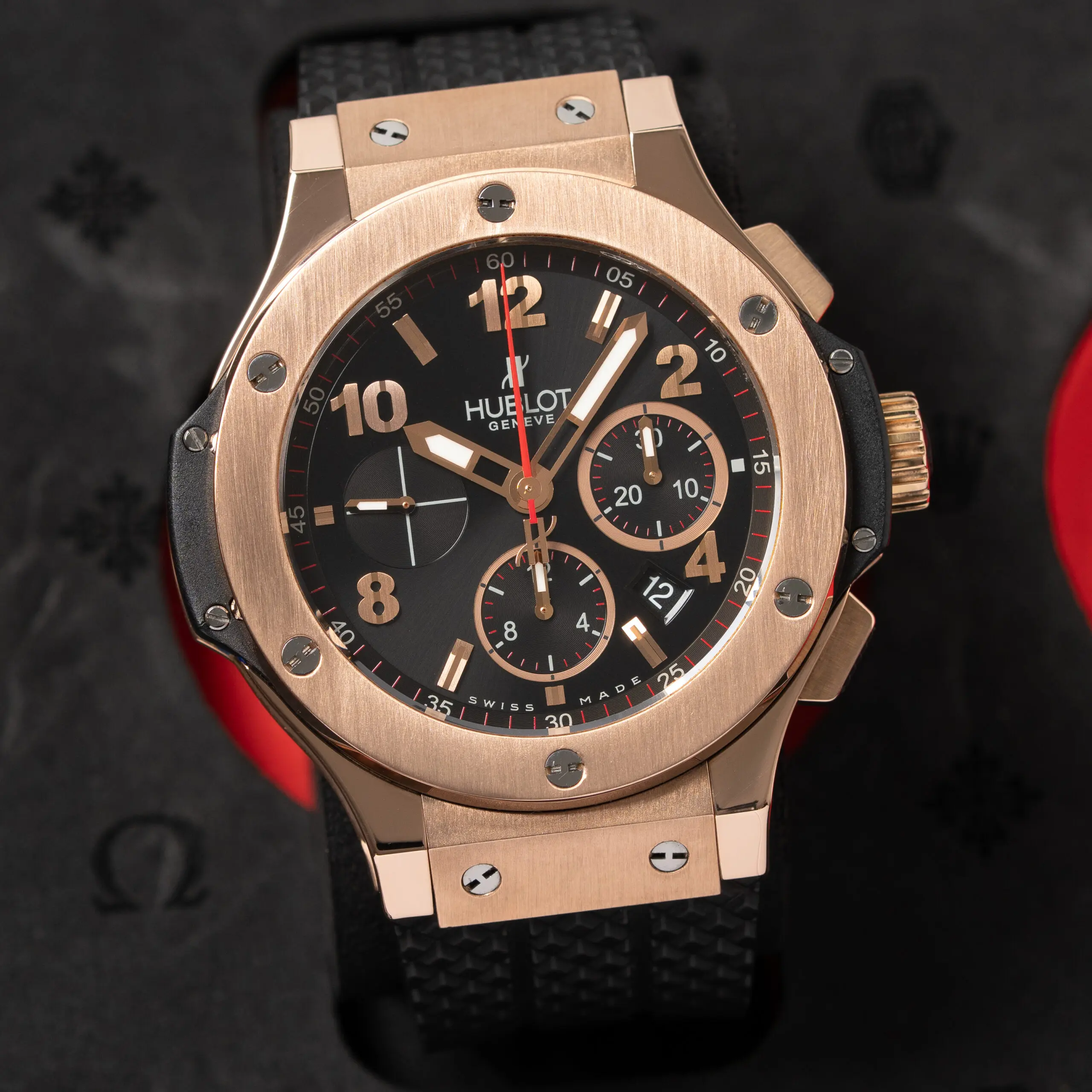
- Full gold → Longer-horizon scarcity positioning
- Complications → Collector-driven upside
Risk vs Liquidity Considerations
Not all watches sell equally. Liquidity — the speed and ease of resale — is a central diversification variable. Core Rolex sports references can transact quickly worldwide, while niche complications and independents may require longer hold periods and more selective buyers.
Portfolio balance comes from pairing liquid assets with appreciation-focused pieces. This preserves capital flexibility while maintaining exposure to collector segments that can outperform in specific cycles.
A simple way to reduce timing risk is ensuring your “fast exit” pieces could cover cash needs without forcing sales of slower, collector-tier holdings at unfavorable prices.
Building a Balanced Watch Portfolio
A practical diversified watch portfolio often mirrors traditional allocation models — blending stability, growth exposure, and selective upside. The goal is not quantity. It’s coverage across different demand engines.
Many collectors start with two core, highly liquid references, then expand into precious metals, complications, or independents as knowledge and budget scale.
Over time, seasoned buyers rotate cyclically — trimming peak-premium assets and reallocating into under-recognized references with stronger asymmetry. Diversification is ultimately about owning the right mix of liquidity tiers and collector narratives.
How many watches should be in a diversified portfolio?
Most balanced portfolios begin with 3–5 watches spanning different brands, materials, and liquidity tiers.
Is Rolex alone enough for diversification?
Rolex provides stability and liquidity, but adding other brands can expand exposure to different demand cycles.
Do precious metal watches belong in an investment portfolio?
Yes — they can function as long-horizon scarcity plays, even if short-term liquidity is usually slower.