Buying Guides
Best Rolex Models for First-Time Investors in 2026
Entering the Rolex market as a first-time investor in 2026 requires a balance of liquidity, brand recognition, and downside protection. While seasoned collectors may speculate on rare references, new investors are better served targeting models with proven demand and consistent secondary market depth.
Starter principle
Liquidity and recognition matter more than rarity for first-time investors.
Risk control
Widely traded references provide clearer exit pathways during market softening.
Why Rolex Leads First-Time Watch Investment
For first-time investors, Rolex remains the most stable entry point into luxury watch assets. Global brand recognition, controlled production, and consistent collector demand create a liquidity profile unmatched by most Swiss manufacturers.
Recent secondary-market reporting from WatchPro notes that Rolex sports references continue to dominate resale volume, reinforcing their position as gateway investment pieces.
Unlike speculative independents or haute horology complications, Rolex offers a clearer resale pathway. Buyers entering the market in 2026 are prioritizing models that can be exited quickly if macroeconomic conditions tighten.
Top Entry Models With Proven Demand
Certain Rolex references consistently outperform others in terms of entry-level investment stability. These watches combine affordability (relative to the brand), recognizability, and deep buyer pools.
- Submariner Date — The most recognized Rolex sports model with unmatched resale liquidity.
- GMT-Master II — High collector demand driven by iconic colorways and travel functionality.
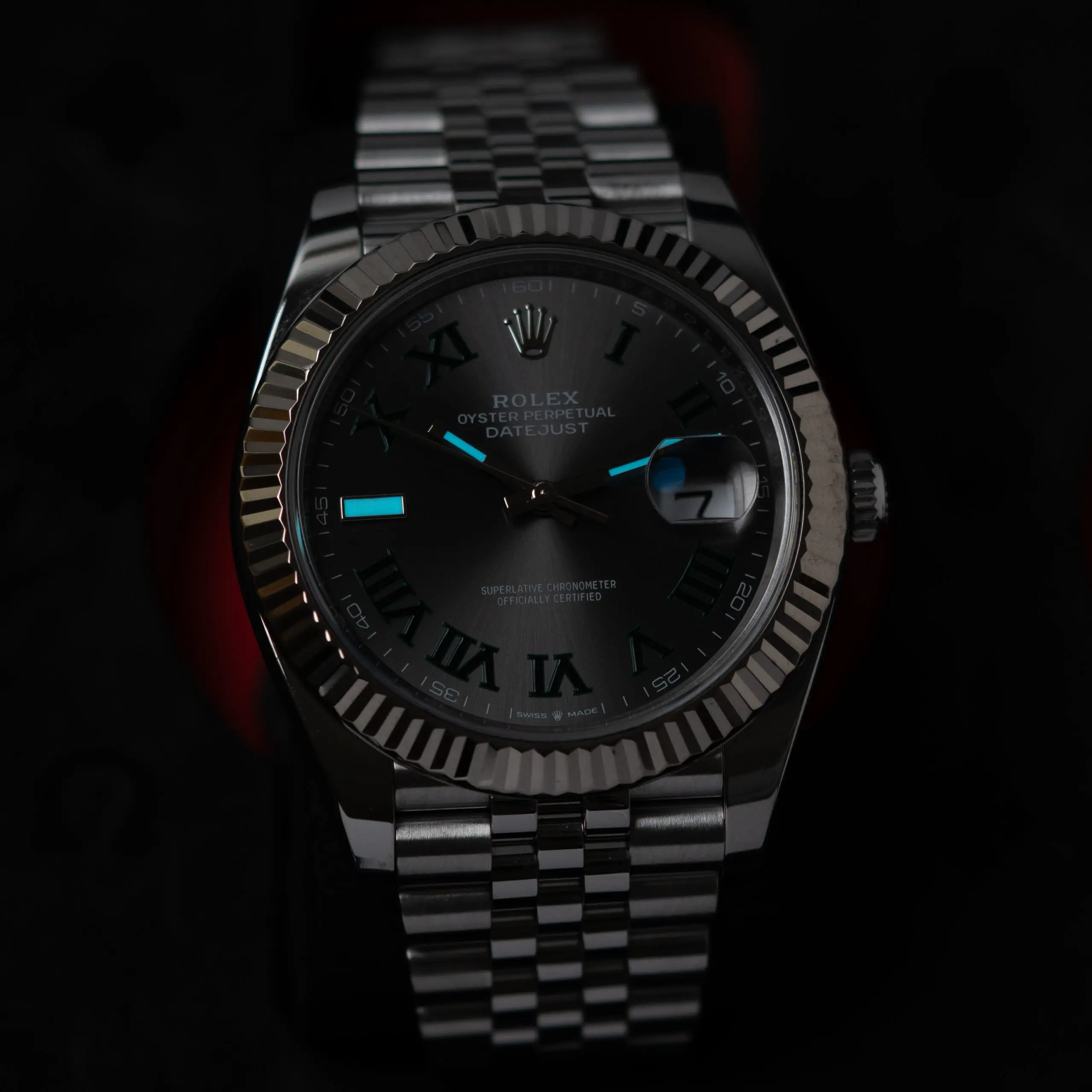
- Datejust 41 — A versatile entry point offering stability and broad buyer appeal.
- Explorer I — Minimalist design with growing long-term collector interest.
Each of these references benefits from multi-generation buyer recognition. Even non-collectors identify them instantly, which strengthens resale confidence during softer market cycles.
Steel vs Two-Tone vs Gold for Beginners
Material selection plays a major role in first-time investment outcomes. Stainless steel models historically outperform precious metals in percentage retention due to broader buyer accessibility.
Two-tone models often trade at softer premiums, making them attractive entry points but slower to appreciate.
Buyers evaluating early acquisition mistakes should review our breakdown of first-time luxury watch buying missteps, where overpaying for precious metal references is a recurring theme.
Liquidity, Exit Strategy & Resale Ease
Investment success is determined not just by appreciation, but by how easily an asset can be sold. Rolex sports models dominate resale platforms, auction houses, and dealer buy lists due to consistent global demand.
Completeness and condition directly influence resale velocity and buyer confidence.
- Buy full set when possible — Box and papers strengthen resale value.
- Avoid over-polished cases — Case geometry impacts collector demand.
- Verify service history — Maintenance records support pricing.
- Stick to liquid dial variants — Widely traded configurations exit faster.
How to Build a Starter Rolex Portfolio
Rather than allocating all capital into one watch, many first-time investors in 2026 are diversifying across two core references — typically one sports model and one classic daily wearer.
Diversification reduces exit risk while preserving appreciation exposure.
A common starter structure includes a Submariner or GMT for liquidity paired with a Datejust for stability. This dual-reference approach balances appreciation potential with resale flexibility.
FAQ
Is Rolex still a safe first investment in 2026?
Yes. Rolex maintains the strongest resale liquidity and global recognition among luxury watch brands.
Which model is easiest to resell?
Submariner and GMT-Master II references typically have the fastest resale velocity.
Should beginners buy new or pre-owned?
Pre-owned often provides better entry pricing, especially during market cooling cycles.