Are Rolex Datejust Models Undervalued in 2026?
Often overshadowed by sports models, the Rolex Datejust remains one of the brand’s most historically important references. But in 2026, collectors and investors are reassessing whether this classic line is quietly undervalued — especially as supply dynamics and buyer behavior continue to evolve.
Datejust pricing typically avoids extreme boom-bust behavior.
Higher availability can mean easier exits with tighter spreads.
Bezel, bracelet, dial, and size determine resale behavior.
Wearability demand rises as speculation cools.
Market Position vs Sports Models
For the past decade, Rolex sports references — Submariners, GMT-Masters, and Daytonas — have dominated appreciation headlines. As a result, the Datejust has often been perceived as a “safe but slower” asset, appealing more to wearability than speculation.
That perception is exactly why some buyers see opportunity: Datejust pricing historically trends steadier through cycles, avoiding the steep premium expansions and corrections that can reshape sports-model entry points.
Buyers focused on retention and portfolio balance often overlook the diversification angle. Our breakdown of long-term stability trends in safe store-of-value luxury watches shows why classic references can offer downside protection when markets soften.
Supply, Availability, and Price Stability
Unlike steel sports models, Datejust production is higher, which historically limits hype-driven appreciation. That higher supply, however, creates a meaningful advantage: liquidity. It’s typically easier to buy and sell Datejust references without the same volatility and waitlist dynamics.
Secondary market commentary from WatchPro notes that core Rolex models with consistent production can show stronger stability as the market normalizes.
For investors prioritizing capital preservation rather than aggressive upside, this stability can become increasingly attractive in a post-bubble environment where buyers are more price-sensitive and less narrative-driven.
Configuration Matters More Than Ever
Not all Datejusts perform equally. Configuration plays a decisive role in valuation, liquidity, and long-term demand behavior, especially in the modern market where buyers compare small details more aggressively.
The same reference can trade in very different ranges depending on bezel metal, bracelet choice, dial popularity, and case size.
The clearest value drivers tend to cluster around a few repeat factors:
- Bezel: Fluted bezels (white gold) often carry stronger resale demand than smooth variants.
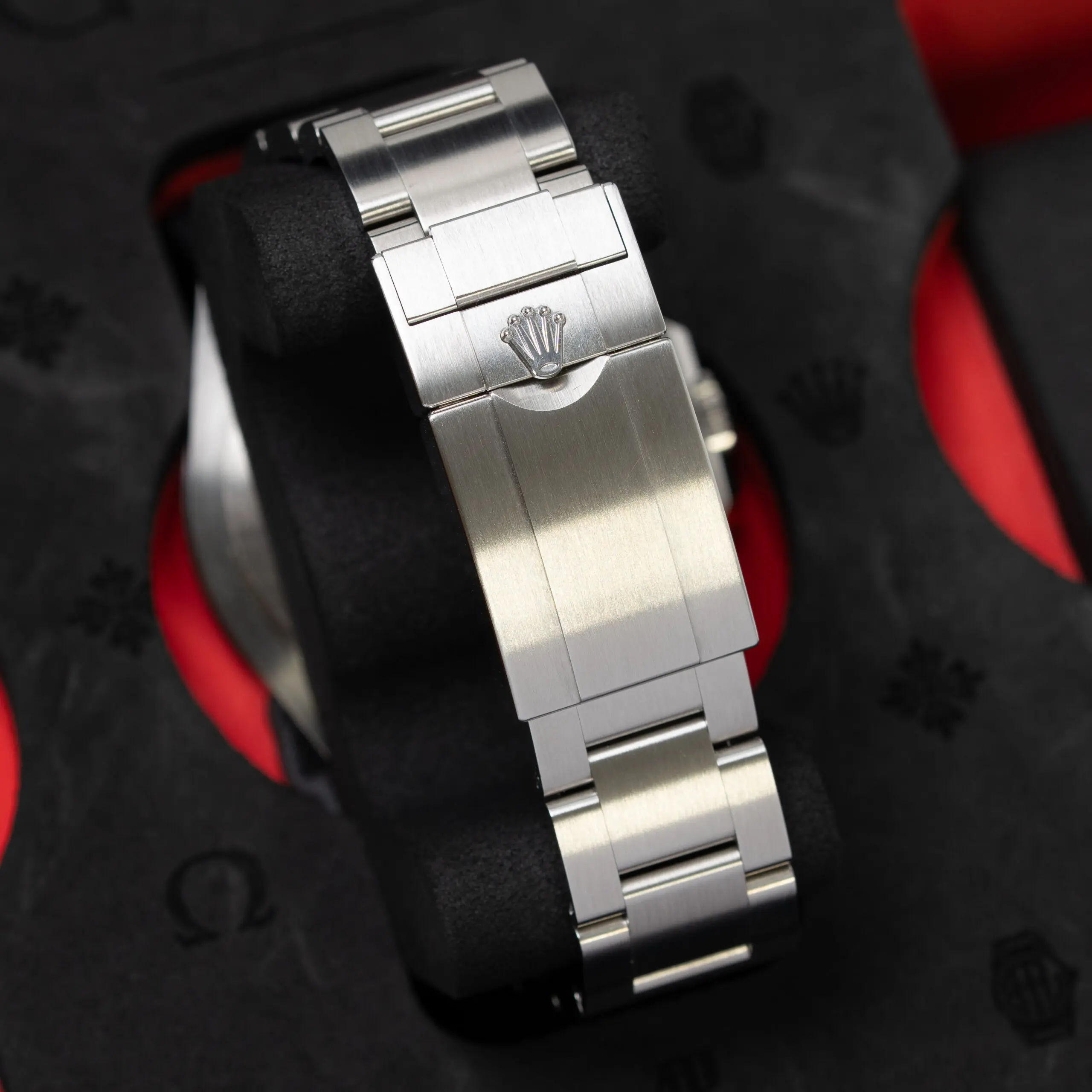
- Bracelet: Jubilee bracelets frequently outperform Oyster in secondary liquidity.
- Dial: High-demand dials can command meaningful premiums versus standard options.
- Size: In many markets, Datejust 41 demand is often stronger than 36mm for modern buyers.
Collector Sentiment Shifts
As speculative fatigue sets in, buyer psychology is shifting toward timeless wearability. Collectors who once chased waitlists are gravitating toward pieces they can actually acquire — and enjoy — without inflated premiums.
The Datejust benefits from design continuity: it feels “safe” across eras, which supports consistent baseline demand.
First-time Rolex buyers entering during normalization cycles also tend to choose Datejust references as gateway pieces, reinforcing demand even when sports-model premiums compress.
2026–2027 Value Outlook
Looking ahead, the Datejust’s trajectory appears less explosive but structurally resilient. Rather than sharp appreciation, gradual upward pressure is more likely — especially as Rolex retail pricing moves and demand rotates toward wearable classics.
The Datejust is rarely a “spike” asset. Its edge is consistency: liquidity, broad buyer pools, and lower narrative risk.
If Rolex implements additional MSRP increases through 2026–2027, secondary Datejust pricing may rise in tandem — particularly for fluted-bezel steel references with high-demand dials. In that sense, the Datejust may be less “undervalued” in a speculative sense and more underappreciated as a stability play within diversified watch portfolios.
Is the Rolex Datejust a good investment in 2026?
It’s typically viewed as a stability-focused purchase rather than a high-growth asset, with strong liquidity and consistent retention.
Which Datejust configurations hold value best?
Fluted bezels, Jubilee bracelets, and high-demand dial combinations often command the strongest resale demand.
Will Datejust prices rise in the next few years?
Gradual appreciation is plausible, especially if Rolex retail prices increase and buyer demand continues shifting toward wearable classics.