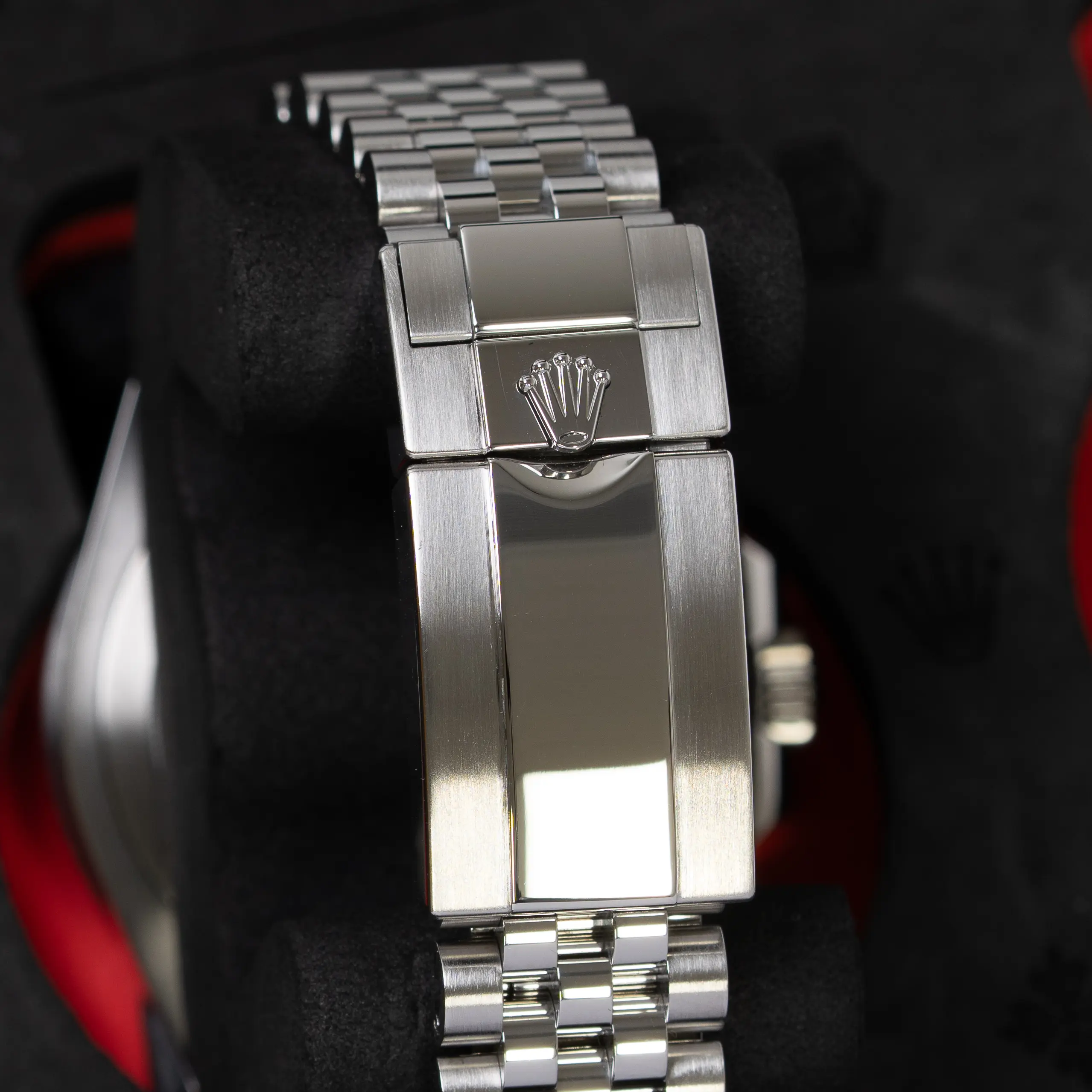
Are Rolex Prices Bottoming Out or Preparing to Rise Again?
After two years of price corrections across the secondary luxury watch market, buyers and collectors are asking the same question — have Rolex prices finally reached their floor, or is the next upward cycle already forming?
The 2020–2022 surge retraced toward more normal pricing bands.
Volatility narrows before meaningful recoveries typically begin.
Allocation and production control can limit downside duration.
The most liquid steel sports models often move first.
Understanding the Rolex Price Correction
The Rolex market entered a sharp correction following the speculative surge of 2020–2022. During that window, unprecedented liquidity, stimulus capital, and alternative asset speculation pushed steel sport references far beyond historical norms.
Coverage from Bloomberg highlights how secondary watch prices cooled as speculative demand retraced, particularly across steel sport models.
What followed was not a collapse — but a normalization phase. Prices retraced toward pre-boom trend lines, flushing short-term investors while long-horizon collectors quietly re-entered the market at more rational acquisition levels.
Secondary Market Stabilization Signals
Over the past three quarters, pricing volatility has narrowed. Instead of sharp monthly declines, most modern Rolex references are now trading within tighter bands — a key signal of market stabilization rather than continued contraction.
Dealers are reporting steadier inquiry volume, particularly from first-time luxury buyers who were previously priced out. This renewed participation often marks late-stage correction behavior — where fear subsides and confidence gradually returns.
We explore broader macro and collector sentiment patterns in our 2026–2027 luxury watch market outlook, where cross-brand demand cycles reinforce why Rolex often stabilizes before the wider market recovers.
Supply, Allocation, and Dealer Dynamics
Rolex production remains tightly controlled, and allocation policies continue to prioritize authorized dealer relationships over speculative distribution. This structural supply discipline is one of the brand’s strongest price-support mechanisms.
When allocation tightens or routing shifts toward boutiques, the secondary market can re-price quickly even without “headline” production changes.
Grey market dealers have also reduced aggressive undercutting behavior, choosing margin preservation over rapid liquidation — another signal that many participants believe downside risk is now more limited than it was earlier in the correction.
Which Models May Rise First
Historically, recovery cycles begin with the most liquid references. Stainless steel sport models — particularly Submariner, GMT-Master II, and Daytona variants — tend to rebound first due to global recognition and transaction velocity.
Early-cycle strength usually concentrates in references with the deepest buyer pools and the fastest resale liquidity.
If momentum returns, these are the references that typically lead:
- GMT-Master II: Travel utility and bezel variety sustain collector demand.
- Daytona: Production constraints continue to support long-term premiums.
- Submariner: Entry-luxury positioning drives steady acquisition demand.
Buyer Strategy for the Next Cycle
If the market is indeed bottoming, timing precision matters less than acquisition quality. Buyers attempting to “perfectly” time the floor often miss the early recovery window entirely.
A disciplined approach focuses on liquidity, completeness, and condition — not just headline pricing.
A simple strategy framework is to prioritize clean, full-set examples and avoid paying premiums for short-lived hype. For buyers comparing entry points, our Rolex price forecast for 2026–27 provides a practical way to pressure-test premiums against broader market direction.
Have Rolex prices already hit the bottom?
Many indicators suggest stabilization, though true market floors are only confirmed in hindsight once a recovery is visible.
Which Rolex models recover value fastest?
Stainless steel sport models often rebound first due to global demand concentration and higher resale liquidity.
Is 2026 a good year to buy Rolex?
For many buyers, a normalization phase can be a strong entry window because pricing is more rational and negotiation leverage improves.