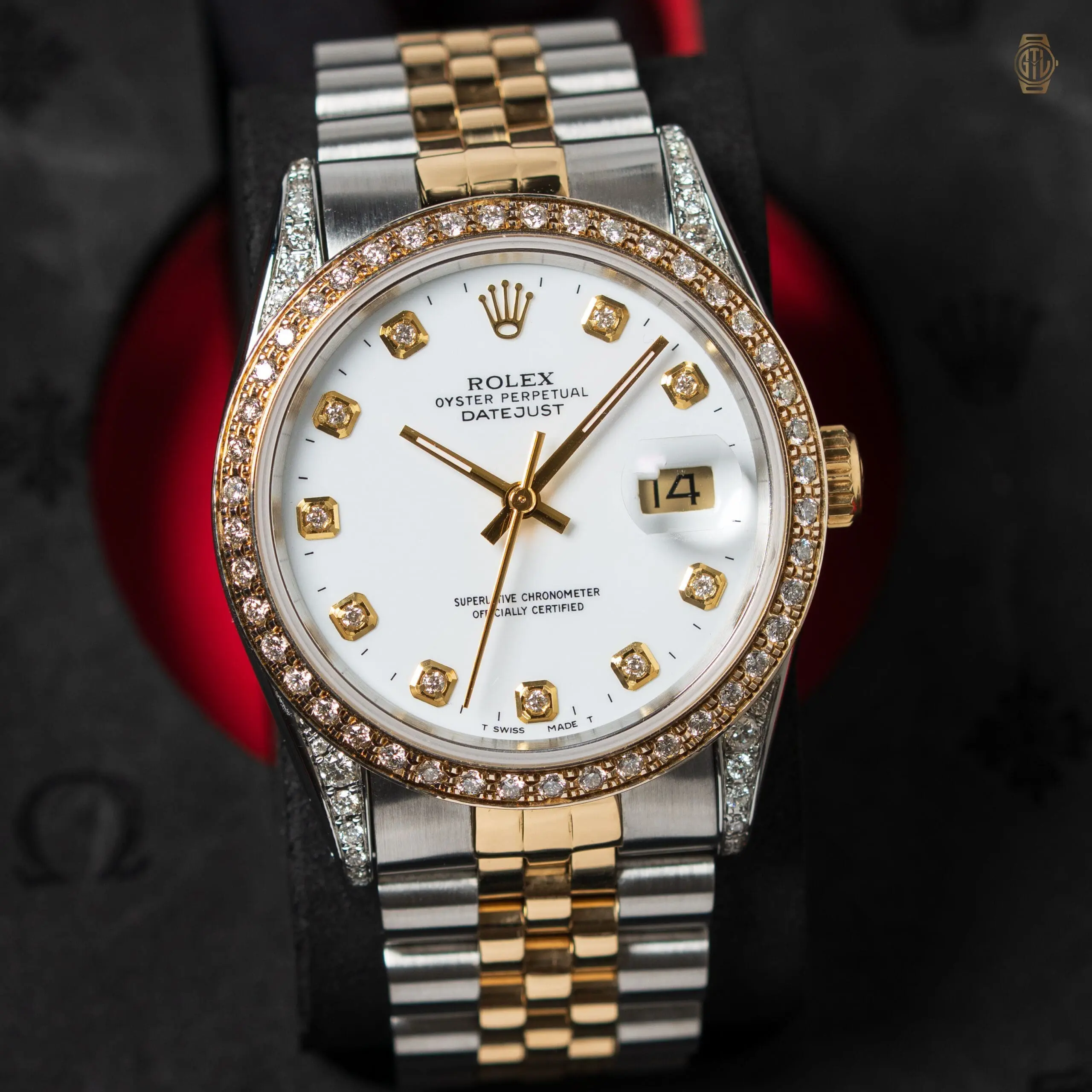
Are Smaller Rolex Case Sizes Making a Comeback?
After a decade dominated by oversized sports models, collector sentiment is quietly shifting. From 36mm Datejusts to 34mm Oyster Perpetuals, smaller Rolex case sizes are seeing renewed interest among seasoned collectors and first-time buyers who prioritize timeless proportions and long-term wearability.
Comfort and versatility are driving size preferences.
Classic Rolex proportions sit in the 34–36mm range.
Broader buyer pools can support steadier resale floors.
Fashion is rotating back toward classic dimensions.
The Shift Away From Oversized Watches
Throughout the 2010s, larger case sizes dominated the luxury sports watch landscape. Rolex’s 40mm–44mm tool watches — Submariner, GMT-Master II, and Deepsea — became status symbols tied to bold wrist presence and secondary market premiums.
Broader industry coverage from Hodinkee has pointed to a swing back toward classic proportions, particularly in the 34mm–38mm range.
This shift is being driven by changing tastes, global fashion cycles, and a new generation of buyers prioritizing comfort and versatility over sheer wrist dominance.
Why Collectors Are Rediscovering 36mm
The 36mm case has long been Rolex’s historical sweet spot. Models like the Datejust, Day-Date, and Explorer were engineered around this size, creating balanced dial symmetry and ergonomic wear across wrist types.
Modern buyers are recognizing that these proportions deliver stronger long-term wearability. Unlike oversized cases that can feel trend-driven, 36mm watches carry cross-generational design stability — a factor that often supports retention.
Buyers studying appreciation potential can compare model-level behavior in our analysis on Rolex models most likely to appreciate, where wearability and liquidity factors influence resale velocity.
Vintage Influence on Modern Buying
Much of today’s smaller-case momentum is rooted in vintage Rolex collecting. References from the 1950s through 1980s rarely exceeded 36mm, shaping collector psychology around what “true Rolex proportions” look like.
As vintage prices climbed, some buyers began pivoting toward modern equivalents that preserve similar wrist presence while offering modern reliability and serviceability.
This has elevated demand for contemporary 36mm Explorers, Datejust configurations, and smaller Oyster Perpetual variants — all viewed as bridges between heritage design and everyday durability.
Market Performance of Smaller References
In the secondary market, smaller Rolex models can hold value consistently because entry pricing is often lower and buyer pools are wider. That broader demand can improve exit liquidity, especially on steel references with clean condition.
Steel 36mm models — particularly Explorer and Oyster Perpetual variants — often show stable resale floors during broader luxury watch cooling cycles because they remain highly wearable and widely understood.
Unisex wearability expands demand even further. A single reference that appeals across wrist sizes and style preferences naturally widens the resale market — a structural advantage larger 42mm+ cases can’t always replicate.
Will Rolex Lean Into Smaller Sizes?
Rolex rarely reacts quickly to short-term trends, but product evolution suggests awareness of shifting preferences. Recent years have reinforced 36mm offerings in the Explorer line and expanded dial variety within smaller Oyster Perpetual configurations.
Rather than abandoning larger sports watches, Rolex appears to be balancing its catalog — maintaining professional tool-watch sizing while strengthening classic everyday segments.
If collector sentiment continues moving toward timeless proportions, smaller case references may become some of the most stable long-term holds in the modern Rolex lineup.
Are 36mm Rolex watches too small for modern buyers?
No. Many collectors view 36mm as an ideal balance of comfort, heritage design, and everyday versatility.
Do smaller Rolex watches hold value well?
Often yes, especially steel references with strong buyer demand and broad wearability.
Is Rolex producing more smaller models now?
Rolex continues supporting smaller-case lines, signaling ongoing confidence in classic proportions.