Market Outlook & Predictions
Rolex Scarcity Strategy: How Allocation Shapes Prices
Rolex scarcity is managed, not accidental. How allocation, production pacing and dealer priority shape secondary prices and what they signal next.
Contents 5
Rolex scarcity isn’t an accident. Allocation, production pacing and how watches are distributed to dealers all shape secondary prices. Understanding how Rolex manages supply helps you anticipate premiums and how easily a watch will sell later.
How allocation works
Rolex doesn’t spread watches evenly across its authorised dealers. Allocation depends on region, retail strategy, sales performance and brand positioning. High-demand professional models, steel sports references above all, arrive in small numbers compared with demand.
That lets Rolex keep demand high without rapidly expanding production. The result is a market where watches feel scarce even when production is steady. Often it’s the allocation, not the production volume, that creates the feeling of shortage.
Why scarcity protects the brand
Avoiding oversupply supports resale strength, boutique prestige and long-term collectability across the core references.
When buyers expect supply to stay limited, short-term dips worry them less. Measured release pacing helps hold price floors, and access itself becomes part of what people are paying for.
How secondary prices react
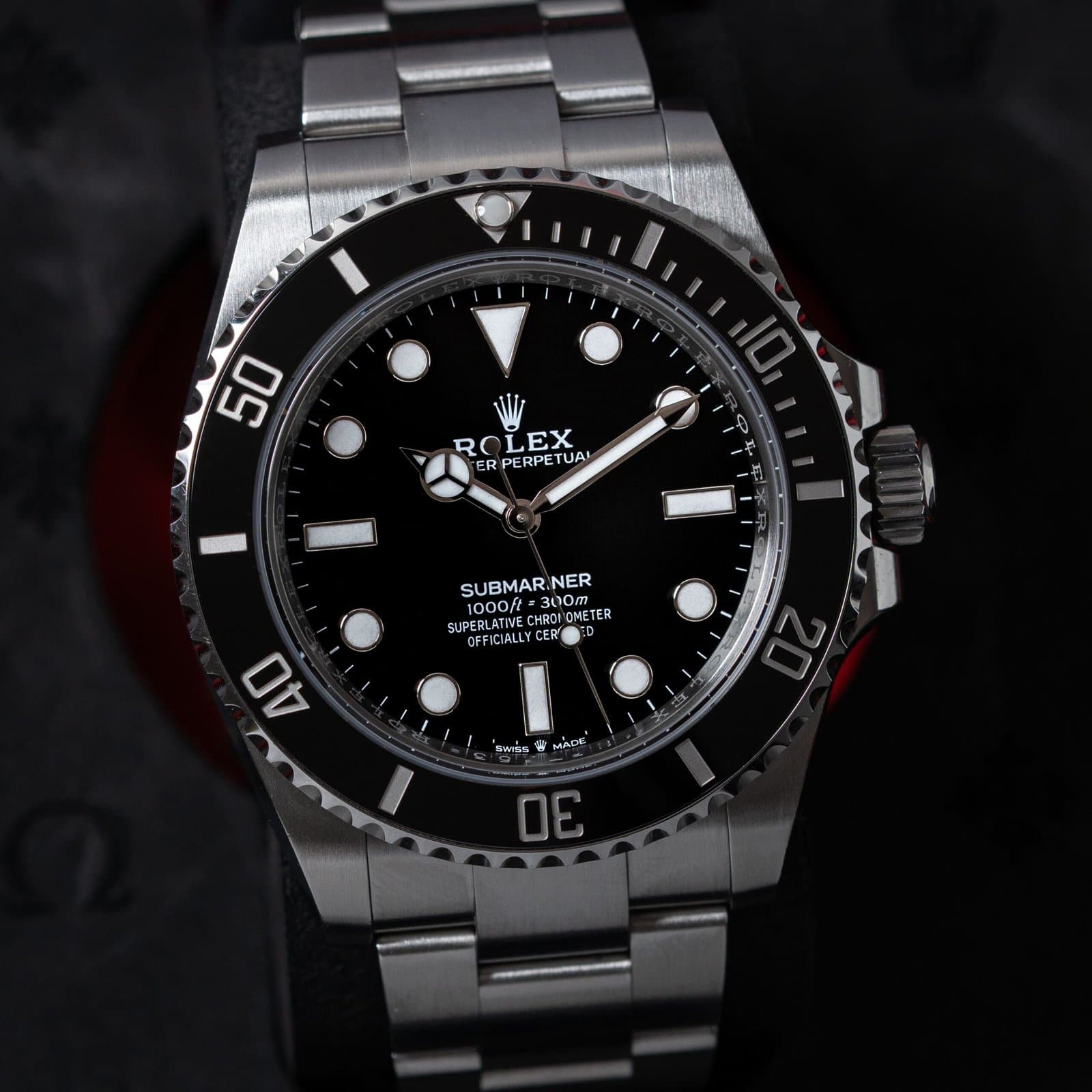
When dealers receive fewer pieces of a wanted reference, grey-market stock tightens and prices usually rise, especially for the GMT-Master II, Daytona and Submariner.
The secondary market reacts faster than retail because its prices update constantly with stock and enquiries. We looked at these ripple effects in our post on how Rolex allocation is changing in 2026.
Two layers of scarcity
Authorised dealers work inside Rolex’s allocation, then apply their own priorities. Purchase history, relationship and long-term buying behaviour influence who gets the scarce models.
That second layer is why many buyers feel the shortage more sharply than production numbers suggest. Buyers without a boutique relationship are often pushed to the secondary market, where the price reflects access and timing rather than the list price.
What allocation signals for prices
Allocation patterns can point to where prices are heading:
- Supply stays tight while wider demand cools: Rolex is protecting long-term value over short-term volume.
- Supply visibly expands: premiums can shrink as buyers get access through retail again.
Buyers who track real dealer deliveries, not headlines, often see early which models are near a turning point.
Can more allocation lower resale prices? Yes. When supply rises and watches get easier to buy at retail, secondary premiums often shrink.