Comparisons
Rolex vs Patek Philippe: Which Holds Steadier in 2026?
Rolex and Patek Philippe behave differently when the market cools. How liquidity, buyer pools and price swings compare, and which fits your goal.
Contents 5
The watch market has cooled from the hype years, and buyers are asking a different question: not “what will jump” but “what will hold.” Rolex and Patek Philippe sit at the top of that conversation. Both are elite. They behave very differently when demand softens.
How each brand sits in the secondary market
Rolex is the benchmark for liquid luxury. Its sports models, the Submariner, GMT-Master II and Daytona, are the default choices on the secondary market. They are easy to understand, easy to sell and wanted almost everywhere.
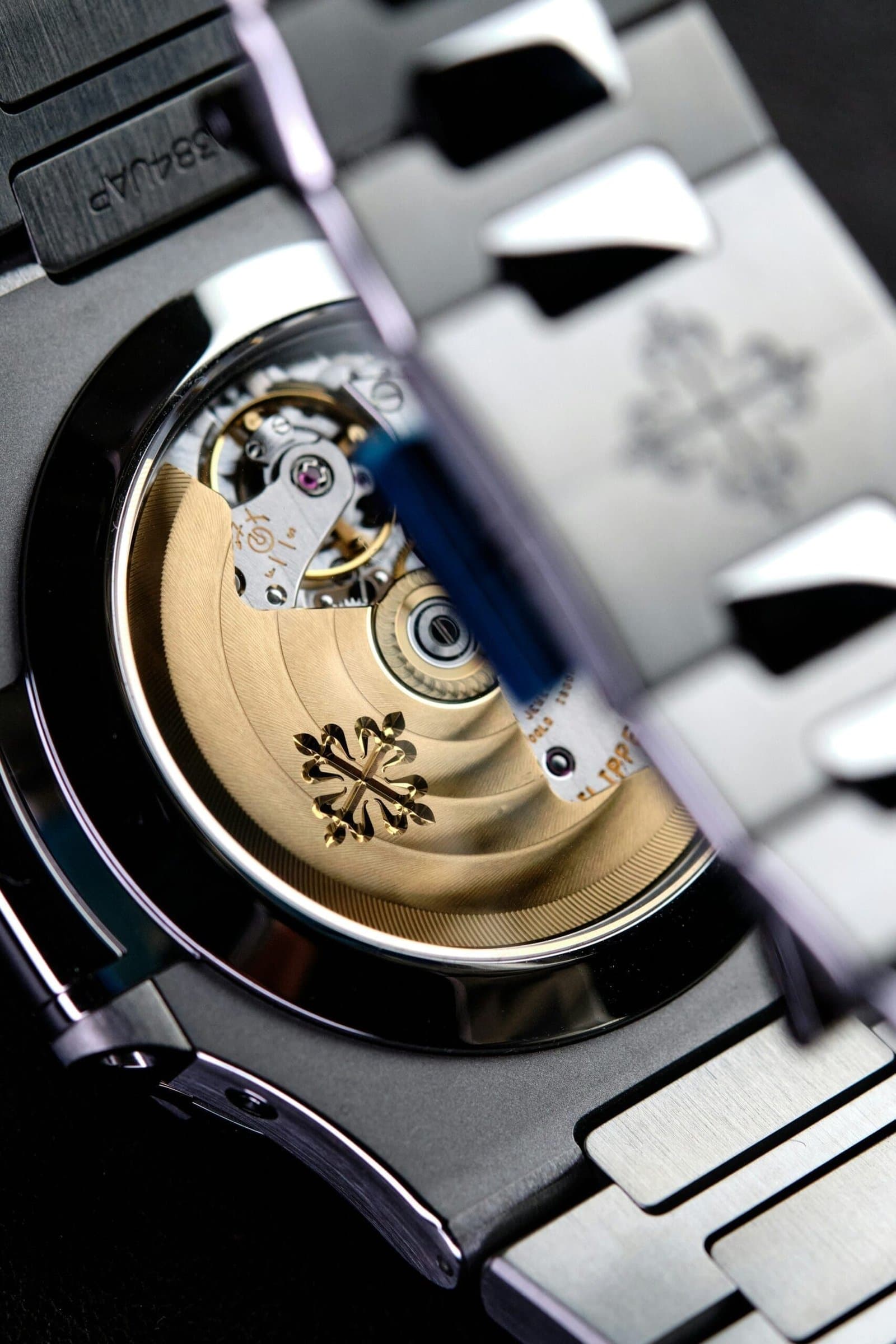
Patek Philippe sits in a smaller, more rarefied tier. Production is lower, complications are more common, and the buyer base leans toward dedicated collectors rather than first-time luxury buyers.
Liquidity: how easily you can sell
Stability is not only about price going up. It is also about how easily you can get out. Dealers and private buyers trade Rolex every day, even in slow quarters, and the gap between buying and selling prices tends to stay tighter on core steel sports references.
Patek trades less often. The Nautilus and Aquanaut draw wide attention, but once you move into higher complications or precious metals, the pool of buyers narrows quickly. That gap matters most when the market cools and money moves more slowly.
How prices move in a correction
In a correction, Rolex’s core steel references usually hold up better because demand comes from many directions at once: collectors, people who just want to wear one, and buyers who want the name. Premiums shrink, but watches keep selling.
Patek depends more on the specific reference. Iconic steel sports models can be resilient, but prices can move sharply when sentiment shifts, especially on pieces that had run far above their usual range. For more on Patek specifically, see our Patek Philippe market outlook.
Who is buying, and why it sets the floor
Rolex demand is layered: collectors, professionals, first-time luxury buyers and status buyers all compete for the same watches. That mix keeps watches selling even when speculators step back.
Patek demand is more concentrated among collectors. Purchases are often tied to a milestone or a long-term collection. That protects the brand’s mystique, but it slows down how fast watches change hands in cautious periods. In a cooling market, a broader pool of buyers usually means a firmer floor, and that favours Rolex.
Which one is steadier in 2026?
On stability alone, Rolex usually leads: more buyers and more trading support faster sales and firmer floors on core references.
Patek Philippe remains exceptional for prestige and long-term rarity, but expect longer cycles and outcomes that depend heavily on the exact reference.
So it comes down to intent:
- Protecting capital over the short to medium term, with the option to sell: Rolex usually fits better.
- Collecting for the long haul, or for the next generation: Patek’s very low production can make more sense.
- Selling quickly: Rolex typically resells faster because more dealers and buyers want it.
Select Patek references, especially rare complications, can do well over the long term, but resale is usually slower.