Buying Guides
What to Ask Before Buying a $20k+ Watch in 2026
At $20,000 and up, the risk is less the price than the history. Five questions to ask about provenance, service, originality, resale and running costs.
Contents 6
At $20,000 or more, a watch is a commitment. The biggest risk isn’t the price. It’s provenance, service history and whether the watch keeps its value once the excitement wears off. These five questions help you avoid the most expensive mistakes.
Provenance: where has this watch been?
Can you verify the watch’s story? At this level you’re buying confidence that it hasn’t been abused, modified or passed through questionable hands. Documented provenance lowers your risk and supports resale. Longtime collectors interviewed by Hodinkee point to ownership history as a major factor in long-term desirability.
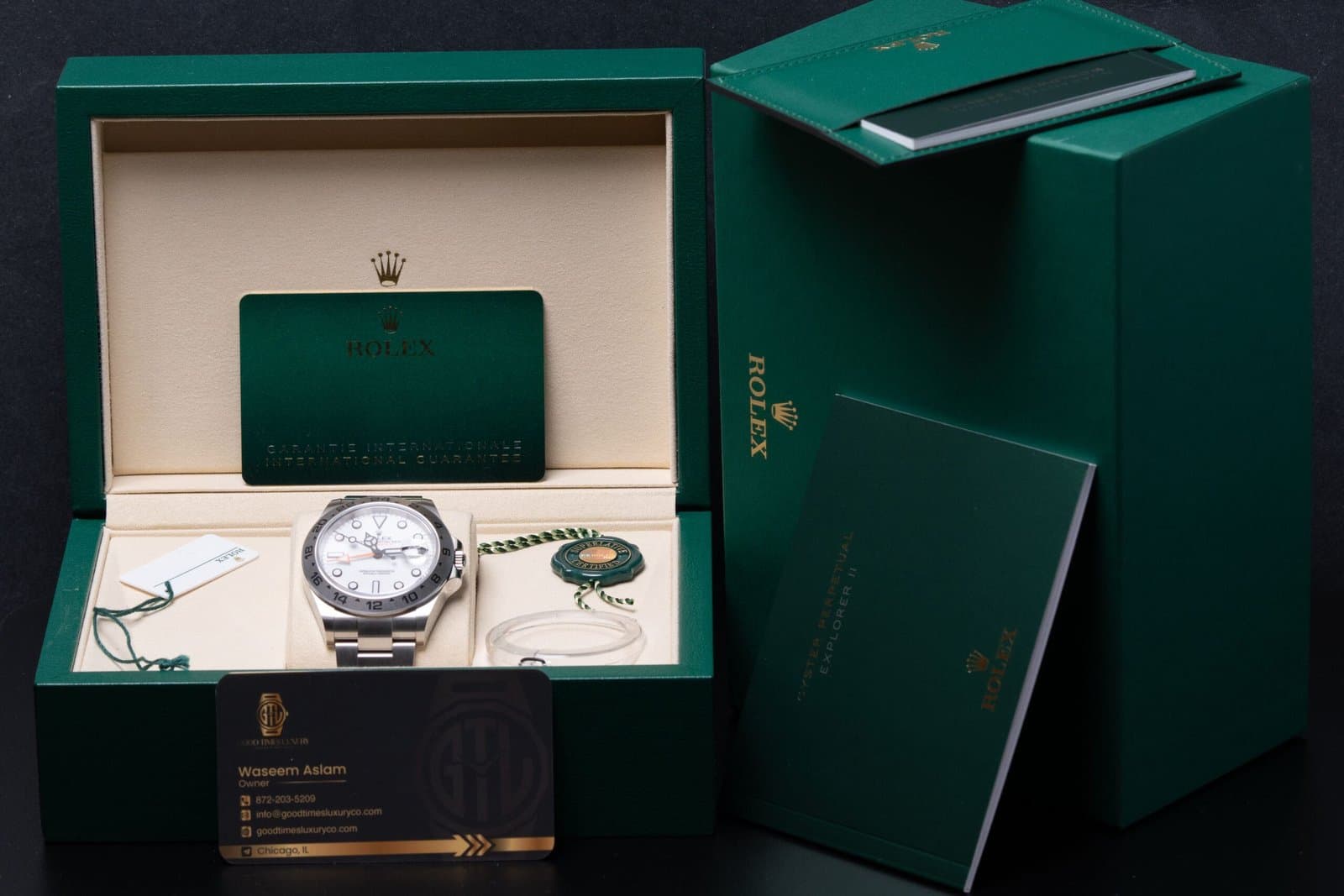
Ask who bought it first, whether it was worn daily or rotated, and whether it has changed hands privately. The original box, warranty card, purchase receipt and matching serial records aren’t extras. They protect you.
Service history: when was it last serviced properly?
A mechanical watch is a machine under constant small stresses. Oils break down, tolerances shift and hidden wear builds up. If the seller can’t explain the service history clearly, assume it’s overdue.
A factory service gives peace of mind; a respected independent watchmaker can be fine when the paperwork is clear. Ask when the last service was, who did it, which parts were replaced, and whether it was pressure-tested and regulated. A recent full service can justify the price. A missing one should lower it.
Originality: are all the parts correct?
This is where many buyers lose money without noticing. Dial, hands, bezel, crown and bracelet all matter, and collectors know more every year. A watch can look better after polishing or new parts and still be worth much less.
Ask directly whether anything has been replaced, refinished or restored. When long-term value is the goal, original wear usually beats modern perfection.
Liquidity: how easy is it to resell?
Some watches sell quickly at fair value. Others need patience, a discount or the right buyer at the right time. This matters even if you plan never to sell, because circumstances change.
Look past asking prices. Research completed sales, how long the reference takes to sell, and demand for that exact reference. A hard-to-sell watch ties up your money longer than most buyers expect.
Running costs: what will it cost to own?
The purchase price is the start. Over ten years, servicing, insurance, possible parts and storage add up. Service prices at several major brands have risen sharply in recent years. Knowing the long-term cost tells you whether the watch fits your life, not just your budget. A great watch should be calm to own.
Questions buyers ask
Is a $20k+ purchase risky? It can be if you skip the checks. The right questions remove most of the risk.
Condition or originality? Originality usually matters more over the long run, even with honest wear.
Is resale value guaranteed? No. Research the individual reference, not just the brand’s reputation.