Market Outlook & Predictions
Why Some Rolex Waitlists Are Quietly Shortening in 2026
Some Rolex waitlists are moving again, model by model and dealer by dealer. Why buyer fatigue is easing pressure, and how flexible buyers can get a call sooner.
Contents 6
After years of endless queues and closed books, some Rolex waitlists are moving again, quietly. Shorter waits don’t mean demand has collapsed. They point to selective buyer fatigue, and if you watch what dealers do rather than the headlines, you may find small openings.
A shift few people talk about
Publicly, Rolex demand still looks intense. Most authorized dealers say the same things: long waitlists, limited allocations, no guarantees. From outside, nothing seems to have changed since the peak years.
Underneath, some buyers are getting calls sooner than expected, especially for less-hyped configurations or as repeat clients. You won’t see it on social media, but buyers who stay in touch with their dealers feel it. The change isn’t uniform. It varies model by model and dealer by dealer, and depends a lot on how flexible you are.
Buyer fatigue
Years of waiting, vague timelines and changing rules have pushed some buyers out of the system. Many stopped checking in or moved on to other watches. When enough people stop playing, pressure eases in parts of the market. Bloomberg has reported cooling momentum across parts of the luxury watch market, which matches what some dealers now see.
This isn’t a loss of interest in Rolex. It’s about patience. Buyers are pickier about how long they’ll wait without a clear answer.
Models no longer move alike
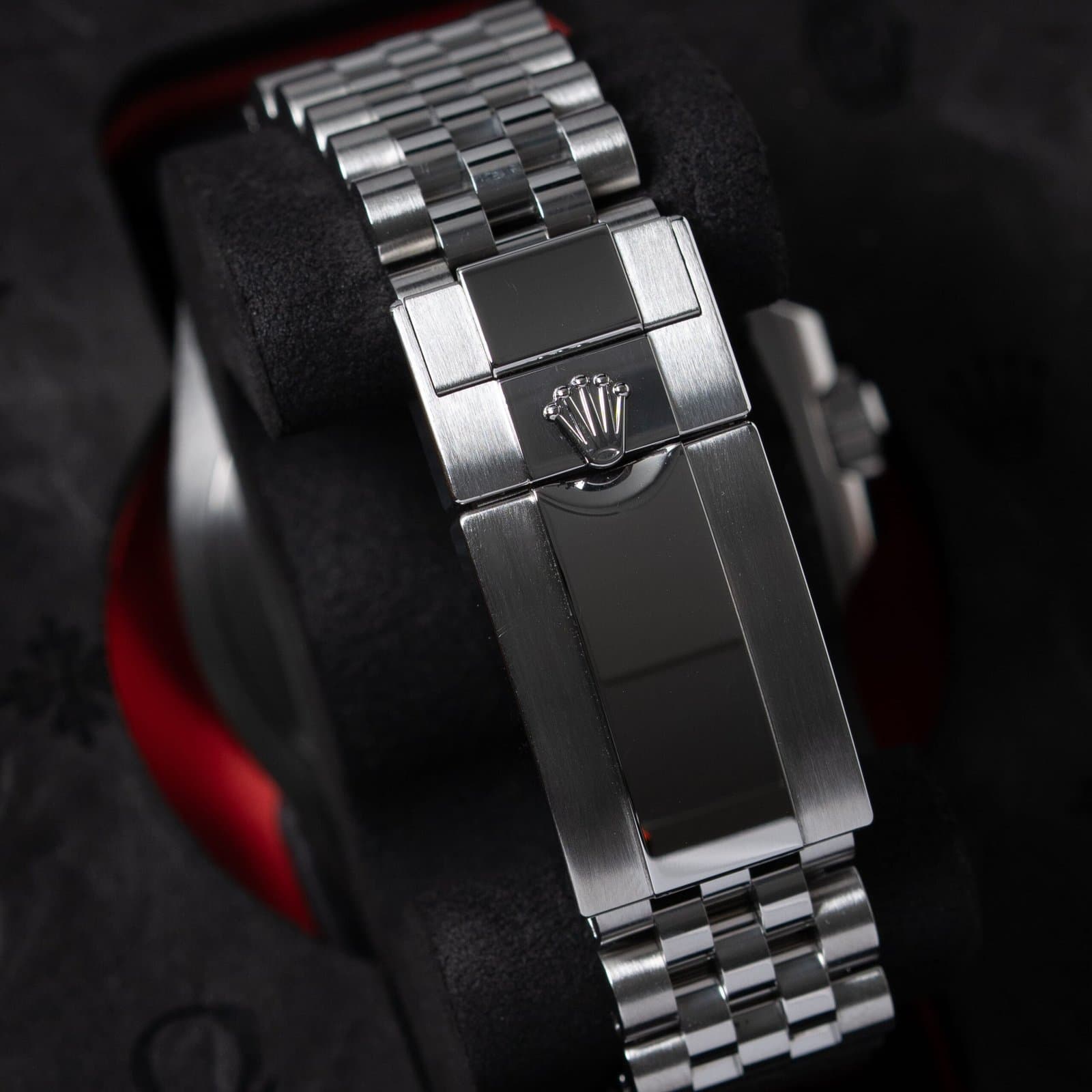
The idea that every Rolex has the same waitlist doesn’t hold any more. Steel sports icons still draw long queues, but other references move differently than a few years ago. Dial color, metal and even the bracelet now affect how quickly an allocation comes.
That gives flexible buyers leverage. Being open to alternatives can cut the wait a lot. Often the difference between waiting years and waiting months is flexibility, not connections.
Why dealers won’t advertise it
Dealers have no reason to announce shorter waits. Scarcity supports their pricing, the brand’s prestige and buyer behavior, so even modest improvements rarely get said out loud. Instead, the change shows in small ways: faster follow-ups, softer language, and more outreach to clients who used to feel ignored. From a dealer’s side, looking in high demand still helps, even when the reality is more mixed.
What this means for you
Walk-in availability isn’t back. But markets move in cycles even when brands don’t say so, and the edges move first. If you stay patient, informed and flexible, 2026 may give you better odds than the past few years, especially compared with buyers holding out for only the most hyped references.
Questions buyers ask
Are waitlists getting shorter? In some cases, depending on the model and the dealer. Not across the board.
Is Rolex demand dropping? No. Demand remains strong; buyer patience is what’s changing after years of strain.
Act now or wait? It depends on your flexibility. If you’re open to several configurations, you may get a watch sooner than someone waiting for one exact reference.