Buying Guides
Why Watchmaker Collaborations Are Driving Resale Value in 2026
Collaboration watches are a resale category of their own. What makes a collab hold value, how limited runs change pricing, and how to judge one.
Contents 6
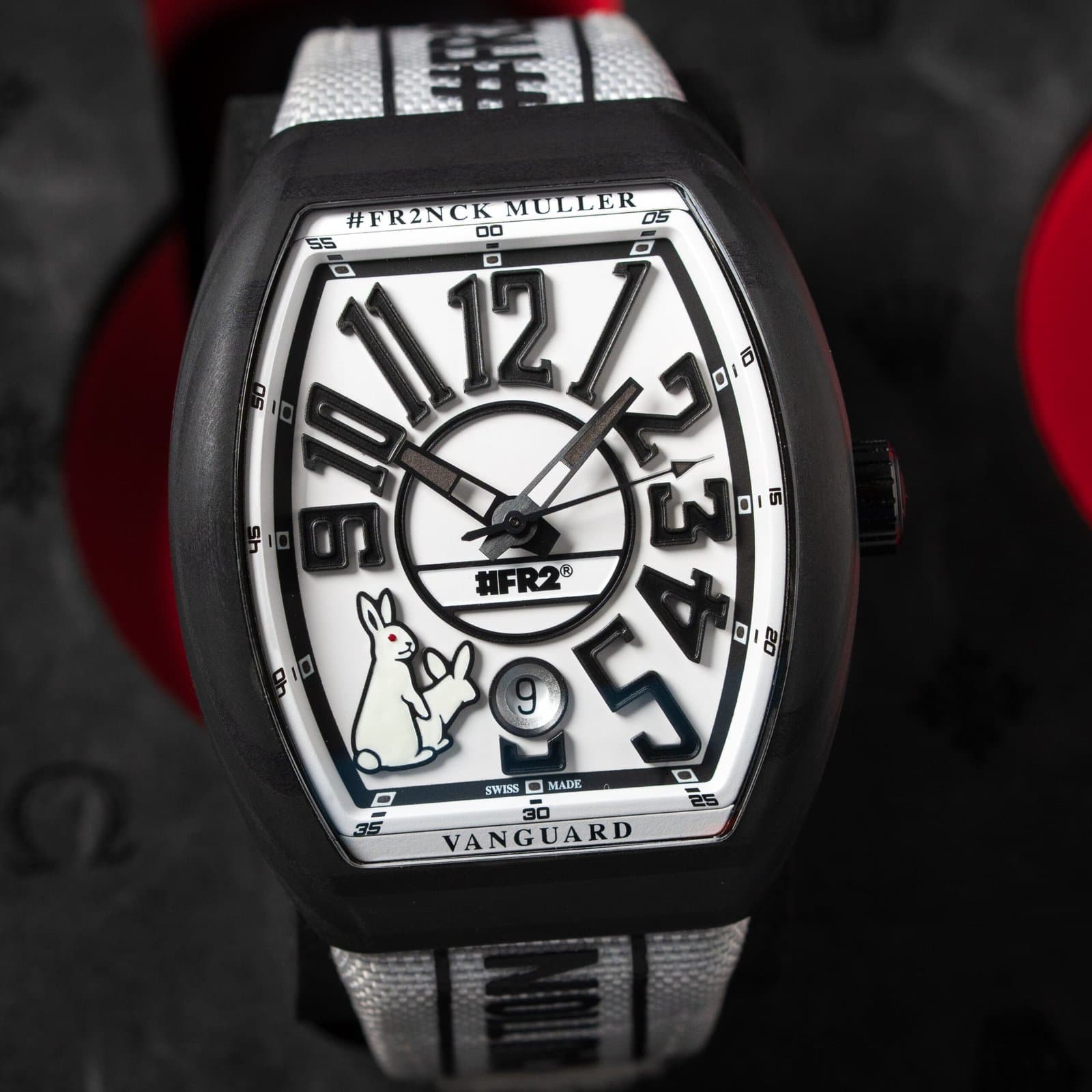
Collaboration watches have moved past marketing stunts. They’ve become one of the stronger drivers of resale premiums. When heritage brands team up, or bring in an unexpected partner, the result is usually limited, divisive and collectible, which is exactly what creates scarcity, conversation and strong secondary prices.
Why collabs feel different to buyers
Most releases are predictable. A new dial color, a case tweak or a movement update appeals to the brand’s existing fans. A collaboration adds surprise, tension and a story that standard releases rarely have. Collectors call them “conversation watches” rather than spec purchases.
When two brands, or a brand and a designer, come together, you’re buying the story and the moment as well as the watch. That emotional layer is a big reason these pieces trade differently.
What makes a collaboration work
Many collabs fade once the launch hype passes. The ones that hold or gain value usually share three traits:
- Real creative tension. Two design languages blended, not just a logo added.
- Real production limits. Buyers spot artificial scarcity quickly; real limits change how they behave.
- A clear identity. The watch should feel different from both brands’ normal catalogs.
Without these, prices usually soften after launch. With them, the watch can become a reference point for the brand’s whole era.
How limited runs change pricing
A limited run changes the psychology. Buyers aren’t comparing the watch with alternatives; they’re racing the clock and each other. On the secondary market that means thinner supply, more volatile prices and stronger reactions to news, celebrity sightings or renewed collector attention. Years later, the memory of missing out still supports prices.
Collabs that beat expectations
- Ulysse Nardin x Urwerk: two unconventional brands made a piece neither could have made alone.
- Omega x Swatch: showed that mass-market pricing can still create huge scarcity and secondary demand.
- Audemars Piguet x artists: showed how culture and watchmaking can meet and bring in new buyers.
- MB&F collaborations: often become reference pieces because they push what a watch can be.
Many of these now trade at levels that surprised even early buyers, especially next to standard models from the same brands.
Buying or selling a collab piece
Judge collaboration watches as their own category, not as variants of normal models. The story, the partners and the context matter as much as the specs, especially when you’re deciding between keeping long term and selling soon.
If you’re selling, condition, completeness and timing are critical. If you’re buying, ask whether the watch will still feel relevant in five or ten years, not just whether it’s popular today.
Questions buyers ask
Are collaboration watches always a good buy for value? No. Many fade after launch. Only those with real creative value and true scarcity tend to keep strong resale prices.
Do they outperform standard models? Some do, some don’t. The best often outperform; poorly executed ones can do worse than regular production.
Flip or hold? It depends on the piece. Some are short-term hype; others suit long-term collecting.