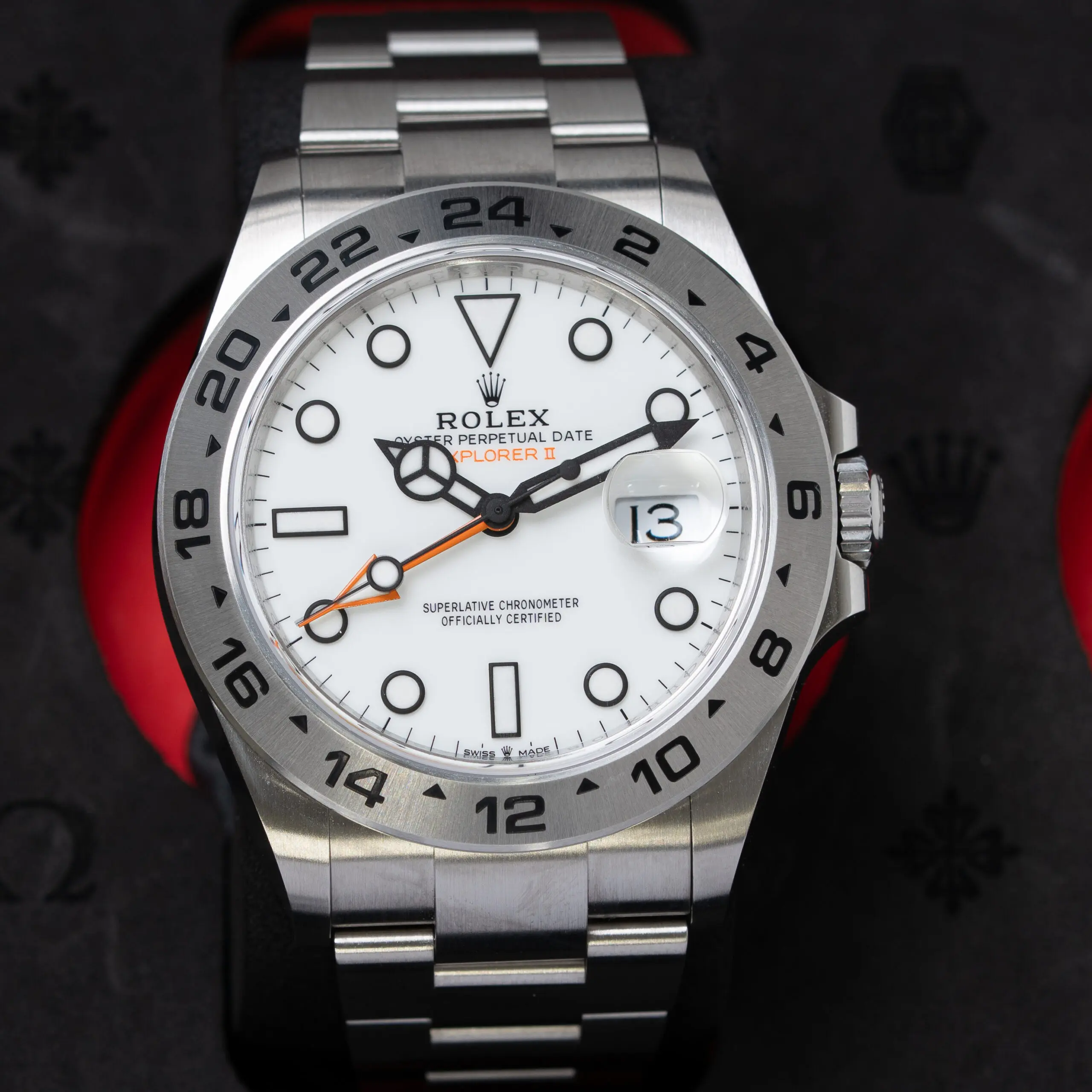
Good Times Luxury Launches Rolex Serial Number Verification (Serial Lookup)
Know what you’re actually buying before the money changes hands. Most buyers don’t realize a proper serial check even exists, and that gap is where expensive surprises happen. This launch is about peace of mind and clarity, especially when a listing looks perfect but the details are hard to confirm from photos alone. If you’ve ever wondered whether the story, age, and parts match what’s being claimed, this is built for that moment.
This is a straightforward explainer of why a Rolex serial check matters, what it helps confirm, and the common
situations where it can save you from overpaying or buying the wrong watch.
We break down the real-world “why” in plain English: how serial verification can help you sanity-check
age/timeline claims, spot paperwork that doesn’t align, and reduce the risk of paying a premium
for a story that isn’t supported by the watch’s underlying details.
You’ll also learn where buyers typically get caught out—private sales, long-distance deals, “too good to be true”
listings, and situations where parts or configuration may have been swapped in a way that changes value. The goal
isn’t fear or hype—it’s helping you make the decision feel clean and informed.
Important note: a serial check is a due-diligence tool, not a substitute for a full physical
inspection, authentication, or service evaluation. Think of it as an extra layer of clarity before you commit,
especially when you can’t verify everything from photos alone.
Why a serial check exists (and why most people miss it)
Most people assume the only “verification” step is looking at photos, checking a reference number, and trusting whatever paperwork comes with the watch. The reality is that a lot of value is tied to details that aren’t obvious in a listing, especially when you’re buying remotely or through a private sale. That’s why serial verification exists: to reduce guesswork when the stakes are high.
If you didn’t know a serial lookup service existed, you’re not alone — that’s the common starting point.
We’re launching this because buyers keep running into the same problem: the watch looks right at first glance, but the story and the specifics are hard to confirm with confidence until it’s too late.
The real “why” behind running a check: peace of mind
The first “why” is simple: peace of mind. When you’re spending real money, confidence matters more than hype, and it’s normal to want clarity before committing. A serial check helps confirm details that can materially affect value, not just small cosmetic notes.
It’s not about paranoia — it’s about making sure the core details match what the watch is being sold as.
When the facts line up, you move forward clean. When something doesn’t line up, you get a chance to pause before you overpay or inherit a problem that becomes expensive to unwind later.
Age, paperwork, and date claims that don’t add up
One of the most common pain points is age and paperwork being presented in a way that makes the watch seem newer than it actually is. Sometimes it’s sloppy, sometimes it’s intentional, but either way it changes how the watch is priced and how confident you feel buying it. If the date on the card or the timing story feels “too convenient,” that’s a sign to slow down and verify.
A clean deal is one where the timeline makes sense without you having to talk yourself into it.
Running a check is a way to ground that story in real details, so you’re not paying a “newer watch” price for something that doesn’t match the claim.
Swapped parts: when value gets quietly inflated
Another major “why” is parts integrity, because swapped components can quietly inflate value. A dial or bezel change can make a watch look like a higher-tier configuration, and most buyers won’t catch it from a couple photos. Even when the swap isn’t malicious, the market still prices originality differently, and that difference can be painful after the purchase.
This is where buyers get stuck: the watch looks amazing, but the unseen details decide whether it’s priced fairly.
A serial verification is meant to protect you from paying for a story that the core details don’t support, especially when “original” is doing a lot of heavy lifting in the listing.
When it’s worth running a check before you buy
If you’re on the fence, a simple rule holds: the more money on the table and the more uncertainty in the story, the more a serial check earns its keep. It’s especially relevant when you’re buying remotely, dealing with a private seller, comparing two similar options, or noticing little inconsistencies that keep nagging at you. This isn’t about creating fear — it’s about reducing expensive ambiguity.
The goal is to make the decision feel clean, not rushed or forced.
If you want to see the service itself, the launch page is here: Rolex Serial Number Verification (Serial Lookup) .
FAQ
1) What problem does a serial lookup actually solve?
It reduces uncertainty on key details that can change value and confidence before you buy. Photos can look perfect while the story around age, paperwork, and configuration stays unclear. A serial check is meant to help you avoid paying a premium for something that doesn’t match the claim.
2) Is this only for “high risk” private sales?
Private sales are a common use case, but it’s not limited to that. It also helps when you’re buying remotely, comparing listings, or dealing with a watch that looks right but has details that feel inconsistent. The bigger the purchase and the less clean the story feels, the more useful verification becomes.
3) What kinds of issues make people want to run a check?
The usual triggers are date and paperwork claims that feel off, or a configuration that seems priced like it’s rarer than it should be. Another big one is concern about swapped or incorrect parts that make the watch appear higher value. The check is there to make sure the core facts match what you’re being sold.