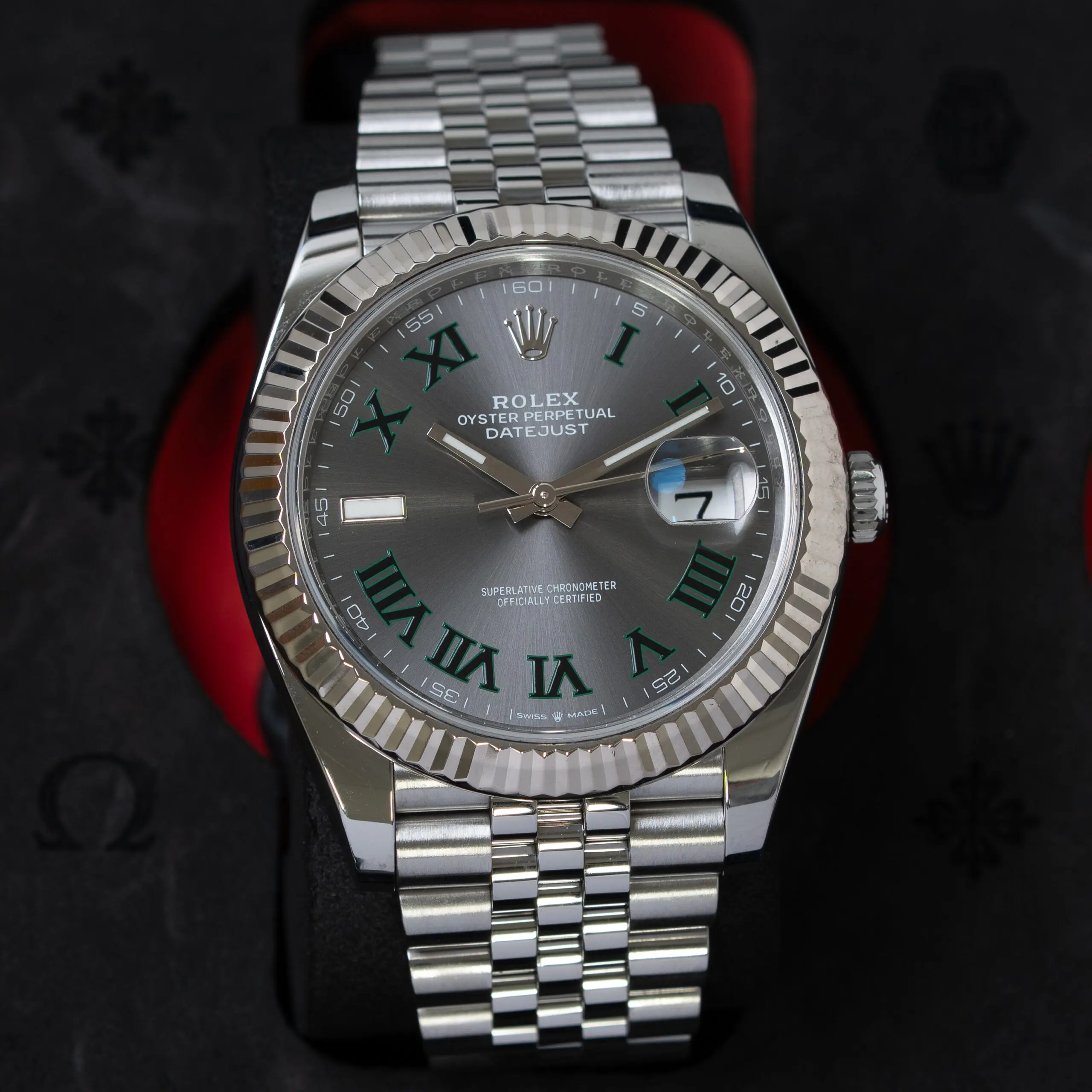
How Rolex Allocation Is Changing in 2026
Rolex allocation rules are quietly shifting. In 2026, buyers who understand dealer consolidation, production priorities, and relationship dynamics will have a real advantage.
Fewer dealers, tighter allocation rules, and more centralized control from Rolex.
Buyers who understand dealer strategy — not just waitlists.
Why Rolex Allocation Is Tightening Further
Rolex has never officially published allocation formulas, but the direction has been consistent: fewer watches reaching more controlled hands. In 2026, allocation is less about demand and more about long-term brand positioning.
The brand continues to prioritize stability over volume, even as global interest remains elevated.
This means popular steel sports models are no longer distributed evenly. Instead, allocations are increasingly weighted toward dealers that align closely with Rolex’s strategic goals.
Dealer Consolidation Is Reshaping Access
One of the biggest drivers of Rolex allocation changes is dealer consolidation. Large luxury retail groups now control a growing share of authorized Rolex locations, giving Rolex fewer — but more predictable — partners.
As noted in recent coverage by Bloomberg, luxury watch brands are increasingly favoring centralized dealer networks to maintain pricing discipline and brand consistency.
For buyers, this means access is no longer tied to a single storefront. Relationships now span entire dealer groups, not individual sales associates.
Production Shifts Don’t Mean More Availability
Rolex’s new manufacturing facilities have fueled speculation about higher production numbers. In reality, most of this capacity is being used to stabilize supply chains and improve internal flexibility.
Increased production does not automatically translate into more watches at retail.
Allocation in 2026 is about balance — ensuring flagship models remain scarce while maintaining consistent global distribution across core references.
How Allocation Decisions Are Actually Made
Dealers are evaluated on more than just sales volume. Metrics like brand presentation, customer mix, after-sales performance, and long-term compliance all factor into allocation decisions.
Buyers who understand this dynamic position themselves differently. Instead of chasing a single reference, they demonstrate long-term alignment with the dealer’s broader business goals.
A Smarter Rolex Buying Strategy for 2026
In 2026, access isn’t about asking more often — it’s about asking smarter. Buyers who focus on timing, flexibility, and dealer alignment will see better results than those fixated on one model.
Allocation favors preparedness, not pressure.
Understanding how allocation works gives you leverage. Not to demand — but to position yourself correctly when opportunities appear.
Is Rolex increasing production in 2026?
Production capacity is improving, but availability remains tightly controlled. Most increases support stability, not mass availability.
Does dealer consolidation hurt buyers?
Not necessarily. It changes how relationships work, but informed buyers can benefit from group-level access.
Is the waitlist system going away?
Waitlists still exist, but allocation decisions increasingly happen behind the scenes rather than in visible queues.