How Watch Condition Impacts Pre-Owned Rolex Value
In the pre-owned Rolex market, condition is one of the most decisive value drivers — often outweighing age, rarity, or even box-and-papers status. Small differences in polishing, bracelet integrity, or dial preservation can shift pricing by thousands.
Cleaner examples transact faster and command tighter spreads.
Metal removal changes geometry and caps long-term premiums.
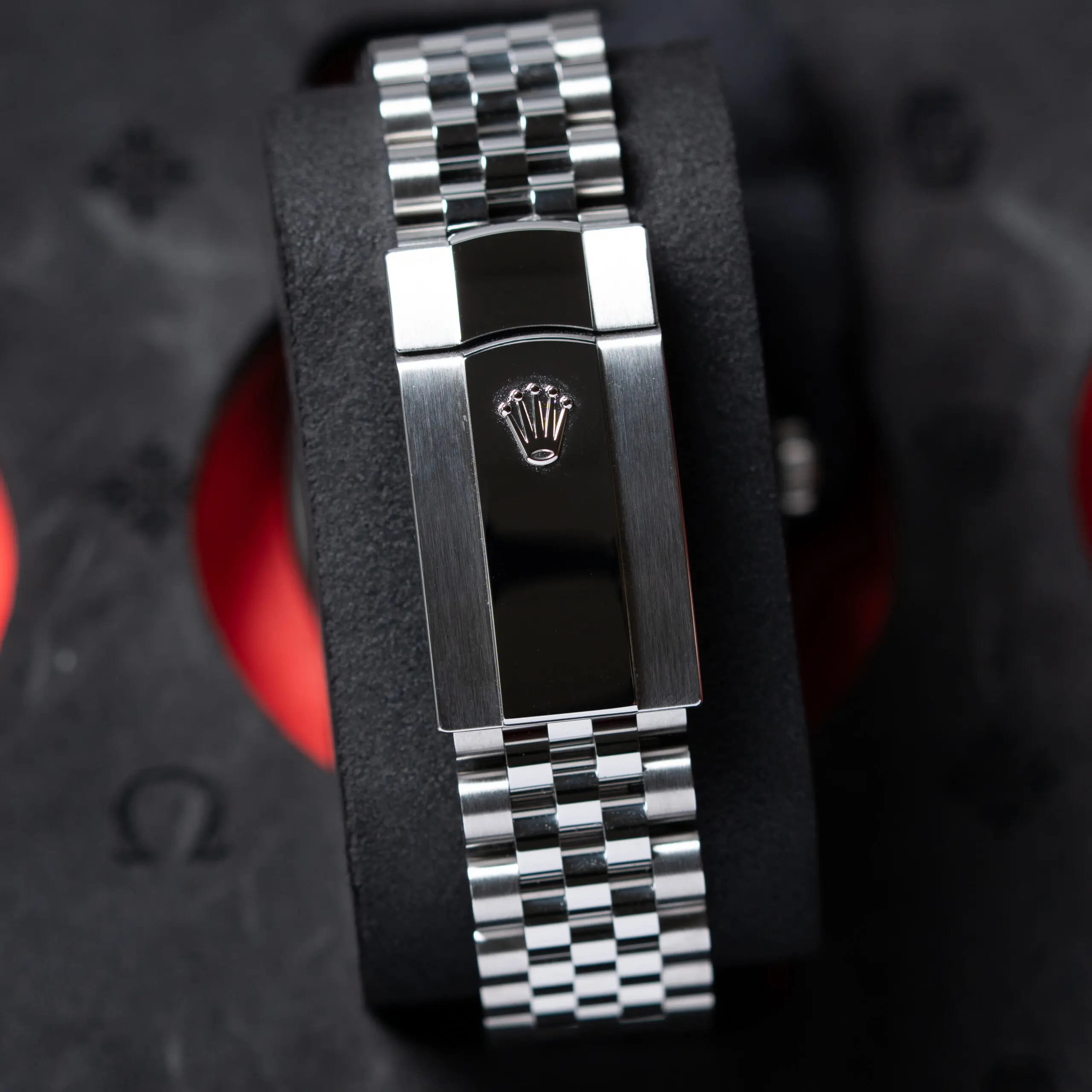
Stretch, clasp wear, and missing links can swing pricing sharply.
Factory dials/hands/bezel parts typically outperform replacements.
Understanding Condition Grades
Pre-owned Rolex watches are typically categorized into condition tiers — unworn, excellent, very good, good, and fair. These grades influence both liquidity and price ceiling, particularly in steel sports references where collector scrutiny is highest.
Secondary market platforms like Chrono24 show consistent premium spreads between lightly worn and heavily polished examples, reinforcing how condition alone can reshape resale value.
For buyers evaluating acquisition timing, condition should be weighed alongside pricing cycles. We explored this broader purchase decision framework in our new vs pre-owned Rolex buying analysis, where depreciation curves can differ significantly by wear level.
Case & Polishing Impact
The watch case is the first area collectors inspect. Over-polishing softens lugs, rounds edges, and reduces metal mass — permanently altering factory geometry. Sharp chamfers and thick lugs signal minimal refinishing and command higher premiums.
As a rule, collectors pay for geometry: crisp transitions, defined lug lines, and consistent brushing patterns are all signals the case hasn’t been aggressively refinished.
Unpolished or “factory finish” cases are especially valuable in modern sports models like the Submariner, GMT-Master II, and Daytona. Even light polishing can reduce collector appeal if proportions are visibly altered.
Bracelet Stretch & Wear
Bracelet condition is one of the most misunderstood value drivers. Stretch occurs as link pins and sleeves wear over time, creating looseness that affects aesthetics, comfort, and long-term integrity.
Buyers often focus on the head of the watch, but bracelets can be expensive to correct — and they meaningfully affect what a collector is willing to pay.
Vintage references often show stretch due to decades of wear, but excessive sag can materially reduce resale value. Modern solid-link bracelets hold structure better, yet still reflect use through clasp wear, scratches, and missing links.
Dial, Bezel & Insert Preservation
Dial condition often drives the steepest valuation swings. Scratches, moisture spotting, or aftermarket refinishing can severely impact collector interest — particularly in references with glossy or sunburst finishes.
For modern ceramic bezels, buyers expect near-flawless presentation; for vintage aluminum inserts, honest fading can sometimes support desirability if the rest of the watch remains original.
Beyond the dial itself, matching handset condition, clean printing, and correct bezel components help confirm originality and protect resale value when it’s time to exit.
Service History & Originality
Service records add reassurance and value — but only when originality is preserved. Replacement dials, hands, or bezels during service can reduce collectibility, even if the watch functions perfectly.
Collectors tend to prefer sympathetic servicing: mechanical maintenance without unnecessary cosmetic replacement.
Watches retaining factory components, even with light wear, often outperform heavily restored examples. If you’re comparing two similar references, the one with sharper condition, complete links, and original components typically holds value better.
Does polishing always reduce Rolex value?
Not always. Light professional polishing can be acceptable, but heavy refinishing that alters case shape typically reduces value.
Is bracelet stretch fixable?
Some restoration is possible, but original tight bracelets are usually more valuable than rebuilt or heavily replaced ones.
Do replacement parts hurt resale value?
Often yes. Collectors generally prefer original dials, bezels, and hands whenever possible, especially for sought-after references.