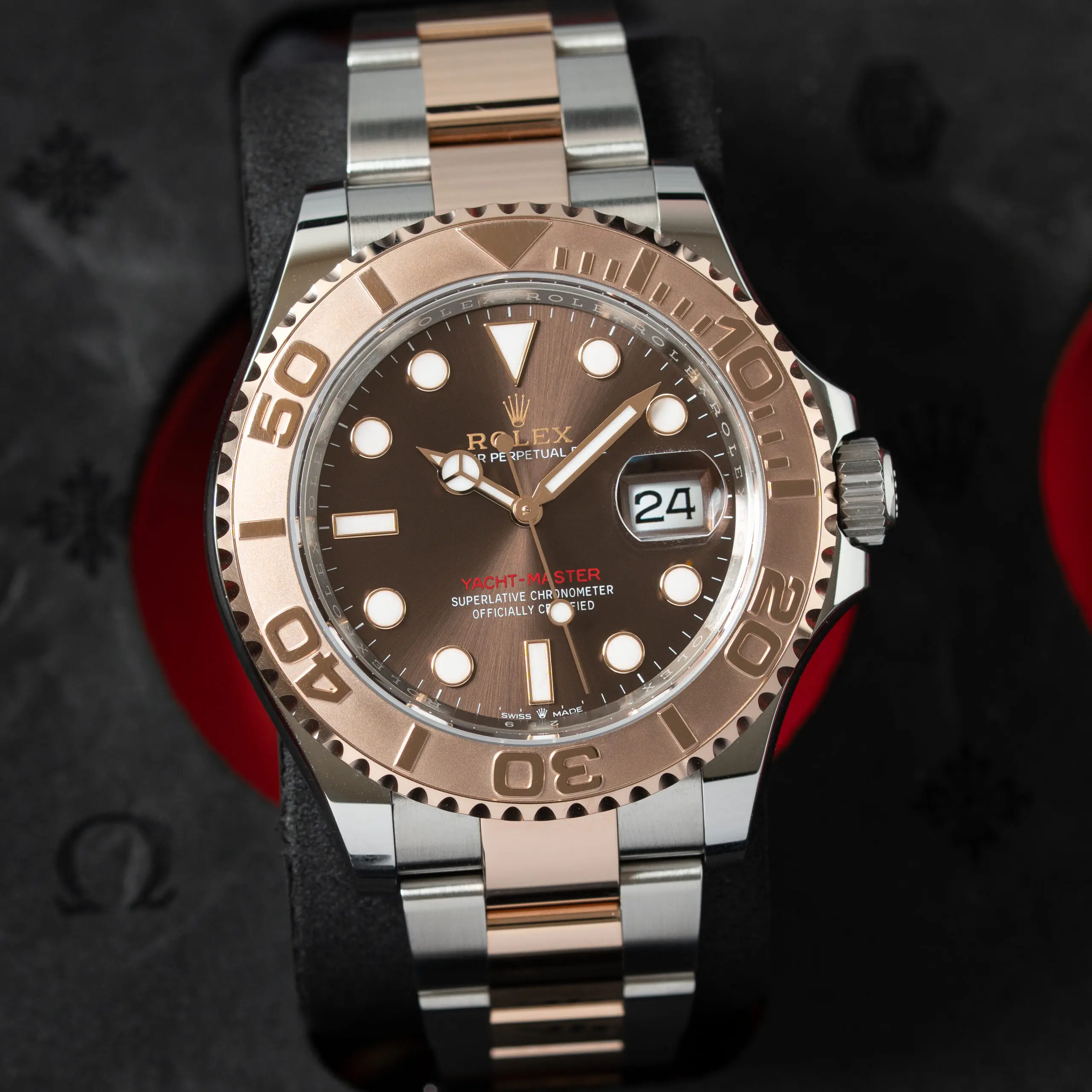
Is a Two-Tone Rolex a Smart Buy in 2026?
Once dismissed as outdated, two-tone Rolex models are quietly finding their way back into serious collector conversations. In 2026, the question isn’t whether tastes are changing — it’s whether the pricing has already reset, or if the opportunity is still quietly sitting there.
Buyers who want strong brand equity with less exposure to hype-driven swings.
Lower volatility than steel speculation, without full gold pricing risk.
Why Two-Tone Rolex Was Written Off for Years
For a long time, two-tone Rolex watches carried an image problem that had little to do with the watches themselves. They became visually tied to a specific era — the 1980s and 1990s — and collectors began confusing “familiar” with “outdated.”
As stainless steel sports models took over as the default status symbol, anything with visible gold started to feel unnecessary or excessive to a new generation of buyers.
None of this reflected Rolex quality or longevity. It was simply a taste cycle at work — and taste cycles tend to overshoot before they reverse.
What Changed: Quiet Demand Re-Entry
As steel Rolex prices climbed year after year, many collectors began asking a more grounded question: what am I actually paying for here — scarcity, or speculation?
Recent coverage from Hodinkee points to a broader shift, where mixed-metal watches are being chosen intentionally, not as second-best options.
Two-tone Rolex models started to feel logical again. They offer visual presence, precious metal content, and everyday wearability — without requiring buyers to participate in the steel market’s emotional highs and lows.
Two-Tone Rolex Value vs Steel in 2026
Comparing two-tone Rolex value to steel models in 2026 reveals a clear difference in market psychology. Steel remains popular, but much of its pricing still relies on momentum rather than fundamentals.
Two-tone pricing, by contrast, already went through its correction phase.
That matters. When prices stabilize after a pullback, future appreciation tends to be slower — but far more durable. For many buyers, that trade-off feels increasingly attractive.
Where the Pricing Floor Likely Sits
Pricing floors don’t form because people suddenly become optimistic. They form when sellers stop racing to the bottom and buyers stop trying to time perfection.
In the two-tone Rolex market, that point appears to center around clean examples with strong condition, full sets, and sensible production references.
These watches are no longer treated as liquidity tools to fund steel purchases. They’re being bought to own, wear, and keep — and that behavioral shift is what quietly supports value.
Is 2026 the Right Time to Buy?
Two-tone Rolex watches aren’t positioned for explosive upside — and that’s exactly why many collectors are paying attention again.
The stigma has largely faded, but pricing still reflects the old narrative.
For buyers who value long-term relevance, daily wearability, and a calmer ownership experience, 2026 looks less like a gamble and more like a measured entry point.
Do two-tone Rolex watches hold value?
Yes. They tend to retain value steadily, especially compared to steel models that experience sharper hype cycles.
Are two-tone Rolex models still considered unfashionable?
No. Sentiment has shifted, particularly among collectors who prioritize individuality and long-term ownership.
Which buyers benefit most from two-tone Rolex watches?
Buyers looking for balance — visual presence, brand strength, and lower volatility.