Rolex Price Forecast for 2026–27: What Buyers Should Expect
After the post-2025 cooldown, many buyers are asking the same question: where do Rolex prices actually go next? This forward-looking outlook breaks down supply, dealer behavior, and historical cycles to help you buy with clarity.
Buyers trying to time a purchase after market normalization.
Supply trends, gray market pressure, and 2026–27 scenarios.
Where the Rolex Market Stands After 2025
By late 2025, the Rolex market largely completed its correction from the speculative highs of 2021–2022. Prices stabilized, premiums narrowed, and buyer behavior became noticeably more cautious.
This phase mirrors prior luxury cycles, where excess demand burns off before fundamentals reassert control.
Entering 2026, the market is no longer driven by hype—it’s driven by allocation, availability, and patience. That shift matters when forecasting prices into 2027.
Supply, AD Allocations, and What Actually Changed
Rolex did increase production modestly, but not enough to flood the market. Authorized Dealers remain allocation-driven, prioritizing long-term clients over walk-ins.
New manufacturing capacity in Switzerland will smooth bottlenecks, not eliminate scarcity. That means stainless steel sports models will likely remain constrained through 2026.
Recent coverage from Hodinkee highlights how controlled supply continues to anchor long-term pricing despite short-term fluctuations.
Gray Market Compression and Price Floors
One of the most important signals for 2026–27 is gray market compression. Dealers have thinner margins, less inventory risk tolerance, and far fewer “panic buyers.”
Compression doesn’t mean collapse—it usually establishes a durable price floor.
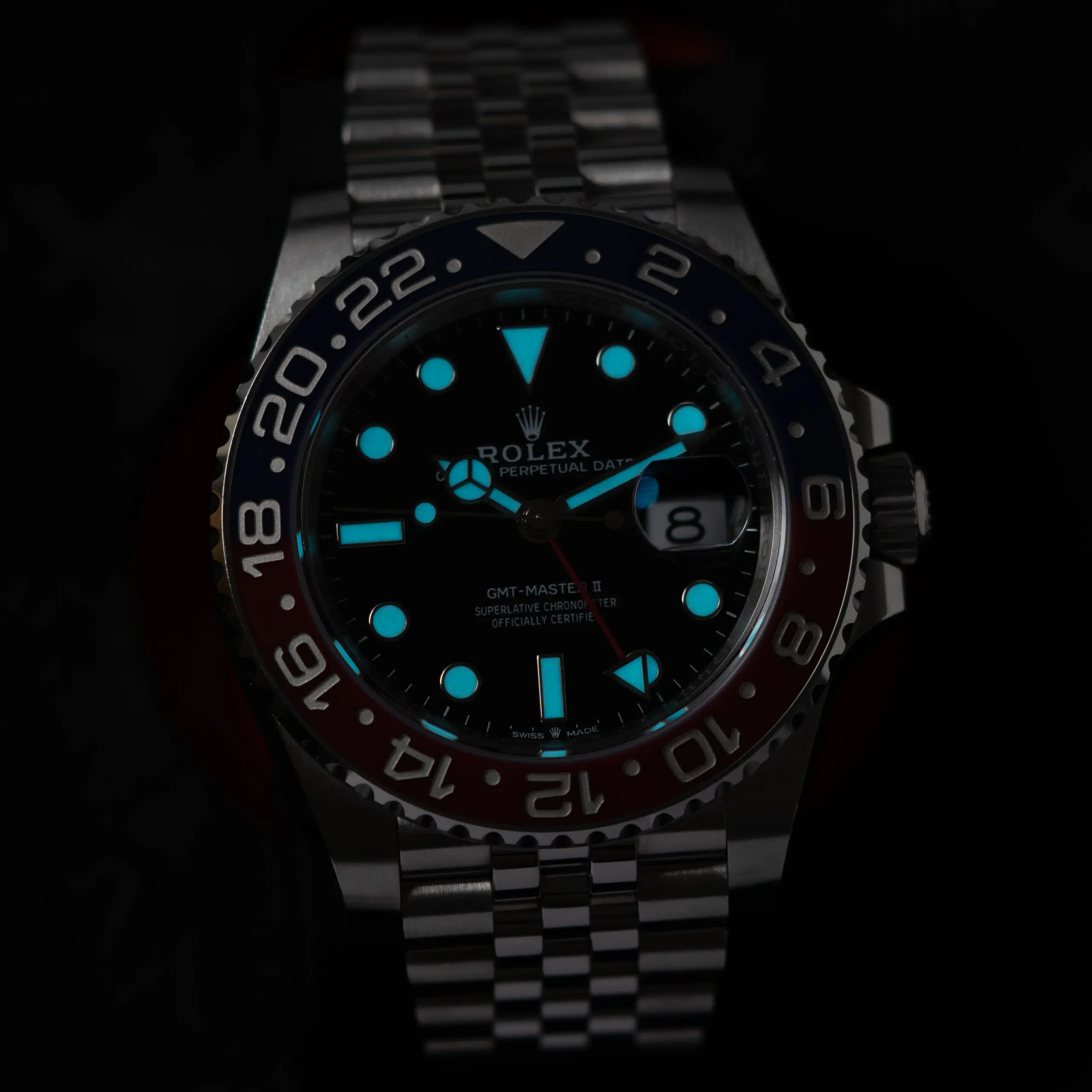
For core references like the Submariner, GMT-Master II, and Daytona, this suggests limited downside and slow, selective appreciation rather than sharp rebounds.
Historical Cycles: What 2026–27 Likely Rhymes With
Looking back at prior Rolex cycles, the pattern is consistent: rapid expansion, sharp correction, long plateau, then gradual appreciation tied to inflation and brand gravity.
2026 appears to sit firmly in the plateau phase. By 2027, modest upward pressure is likely—but uneven across models.
Buyers who focus on reference strength rather than hype historically fare best during these periods.
Should You Buy Now or Wait Until 2027?
If you’re expecting pre-2022 premiums to return quickly, waiting may disappoint you. If you’re buying for ownership, wear, and long-term value, current conditions are relatively favorable.
The biggest risk isn’t overpaying—it’s waiting indefinitely for a “perfect” bottom that rarely arrives.
The smartest buyers align timing with intent, not speculation.
Frequently Asked Questions
Will Rolex prices go up again in 2027?
Gradual appreciation is possible, especially for core sports models, but sharp spikes are unlikely without a new demand shock.
Are stainless steel models safer than precious metal?
Historically, stainless steel sports models hold demand better and show more consistent long-term pricing.
Is buying from the gray market still risky?
Risk is lower than during peak years, but due diligence on dealer reputation and pricing remains essential.