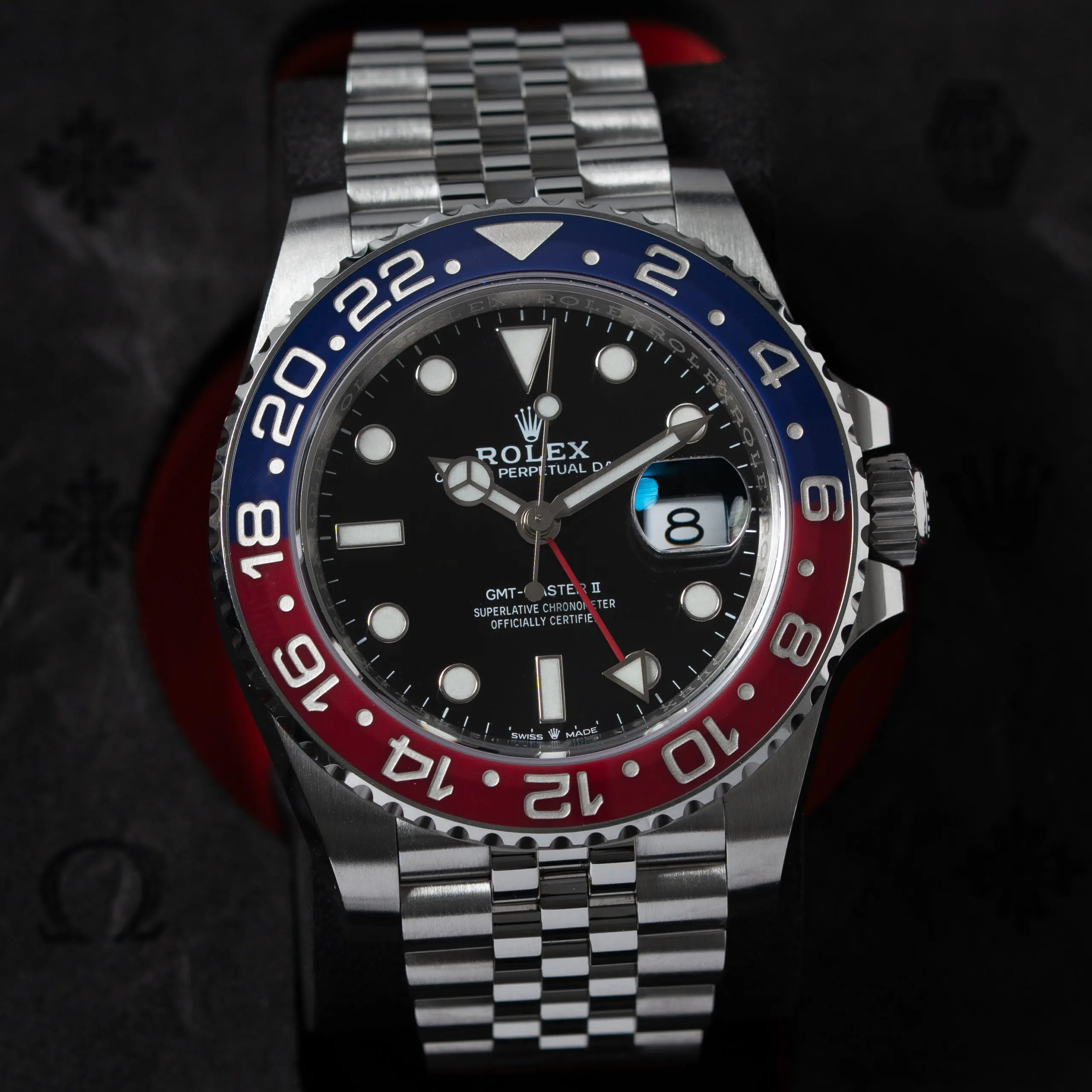
Rolex Price Increase 2026: What Went Up, and What That Changes in Pre-Owned
New retail prices don’t automatically rewrite the pre-owned market overnight. But they do change how buyers think, what sellers expect, and where negotiation “floors” start to form—especially in January and February when people are comparing last year’s deals to this year’s list. Here’s what moved, why metals behave differently, and what to watch if you’re buying or trading in the next few weeks.
This guide breaks down the 2026 retail changes at a high level, then translates them into practical pre-owned outcomes: what shifts fast (anchoring, negotiation tone, trade talk) and what still wins long-term (condition, completeness, timing, and the specific reference).
What changed in 2026 Rolex retail pricing (big picture)
Most headlines try to squeeze the story into one number, but Rolex price moves are rarely “one-size-fits-all.” The practical way to think about 2026 is that increases vary by model and material, and the market reacts to the parts that feel “meaningful” to buyers—not just the average.
Recent breakdowns of the 2026 Rolex price list show increases varying by model/material, with precious metals generally moving more than steel. Monochrome Watches
That distinction matters because pre-owned pricing doesn’t rise because a chart says “Rolex went up.” Pre-owned moves when buyers and sellers re-anchor their expectations. In real life, the “new MSRP” becomes the reference point in conversations—especially when someone is deciding whether to pay a premium for a full set, a cleaner case, or a more recent year.
We also covered what the 2026 Rolex price move might mean for pre-owned pricing right now: Rolex prices just went up for 2026
Why precious metal Rolex reacts differently
Precious metal Rolex tends to move differently because the buyer is reacting to more than just “Rolex pricing.” Metal models sit at the intersection of material cost, perceived prestige, and brand positioning. When retail moves on precious metals, it often feels more “legitimate” to the market because buyers already expect these pieces to be priced with a different logic than steel.
Keep this grounded: you don’t need a macro thesis to see it. If retail for gold moves more than steel, pre-owned conversations will naturally treat gold as the segment with more “room” to re-price.
Also, precious metal pieces are typically purchased with a different motivation: fewer “I need it right now” buyers, more “I want this exact configuration” buyers. That changes the pressure on the pre-owned side. The result is not always an instant spike—but often a firmer tone from sellers and a higher threshold before they accept a big discount.
The 3 “real world” effects you’ll see in the market
The clean takeaway: retail moves don’t automatically force the pre-owned market up, but they do shift behavior. In January and February, these are the three effects we see most consistently—especially on popular references that buyers compare across multiple listings.
-
1New MSRP becomes an anchor for sellers. Even if a seller doesn’t know the exact new list price, they “feel” that retail went up, so they start negotiations from a higher mental starting line. That can tighten discounts on well-presented, full-set pieces.
-
2Some buyers pivot to pre-owned to “beat retail.” This is partly psychological: paying below the new list price feels like a win. That “win” matters even when the absolute dollars are similar to what pre-owned was already doing in late 2025.
-
3Trade-in expectations rise. Owners see “Rolex went up” and assume their watch should be valued higher too. This doesn’t guarantee higher offers—but it does change the conversation, and it can compress spreads for certain high-demand pieces when multiple buyers are competing.
When you combine these, the pre-owned market often looks “stickier” than it did a month earlier: prices don’t necessarily jump, but sellers hold firmer and buyers move faster on the right listing because they don’t want to feel like they missed the “pre-MSRP” window.
What doesn’t necessarily happen
It’s easy to assume “MSRP up = pre-owned up across the board.” That’s not how it usually plays out. Not every model rises in the secondary market, and not every segment stays hot at the same pace. Some references can cool while others remain stubbornly firm.
The market still rewards specifics: condition, box & papers, service history, bracelet stretch, bezel wear, and how honest the listing is. Those factors can matter more than the retail update when you’re actually choosing between two watches.
Also, if a piece has been sitting, it might sit for a reason—price, configuration, completeness, or the simple fact that buyers are being selective. Retail updates can change the “story,” but they don’t erase supply, buyer fatigue, or the difference between a sharp full set and a questionable example.
Buyer playbook for January–February
If you’re buying right after a retail change, your edge comes from patience and clarity. The first few weeks can be noisy: some sellers raise asks “just because,” while others haven’t adjusted at all. Your goal is to spot the listings that are priced like last season while the narrative has shifted.
A simple approach: don’t negotiate on emotion. Negotiate on the exact reference, the exact condition, and the exact completeness. If the watch is sitting, there’s usually a reason—and that reason is often where your leverage lives.
When to buy now vs wait? Buy now when the listing is clean, complete, and priced realistically relative to comparable sales—and you’d regret losing it. Wait when pricing is inflated purely by “news,” or when a seller can’t support their ask with condition, completeness, and a clear story. In negotiations, focus on what’s measurable (papers, year, service, wear, provenance) and be direct about your target. The best deals in this window often come from pieces that are excellent but simply not moving fast.
Trying to beat the new MSRP? Check what we currently have in the boutique, or text us the Rolex you want and your target price range.
FAQ
1) Does a Rolex MSRP increase mean pre-owned prices will rise immediately?
Not automatically. Retail increases change psychology and negotiation anchors first, then pricing follows only where demand supports it. Condition, completeness, and the specific reference still determine most of the real-world outcome.
2) Why do precious metal Rolex models often feel the price move more than steel?
Metal models are priced with a different expectation set: material cost sensitivity, prestige positioning, and lower-volume buyer behavior. When retail moves on gold, sellers tend to hold firmer and buyers often accept higher “floors” for clean full-set examples.
3) How should I negotiate in January–February after the 2026 retail change?
Negotiate on specifics: condition, box & papers, service history, and how long the listing has been sitting. Be clear on your target and don’t pay extra for “news” alone. The best value is usually a strong example priced like last season while everyone else is adjusting.