Comparisons
Rolex Sports vs Dress Watches: Investment Outlook for 2026
As Rolex allocation tightens and collector demand evolves, buyers are increasingly weighing the long-term upside of sports models against the stability of dress references. Understanding how each category behaves in secondary markets is key to making confident acquisition decisions heading into 2026.
Core divide
Sports Rolex models behave like growth assets, while dress references function as stability plays.
Investor signal
Liquidity concentration continues to favor steel professional models globally.
Market Demand Dynamics
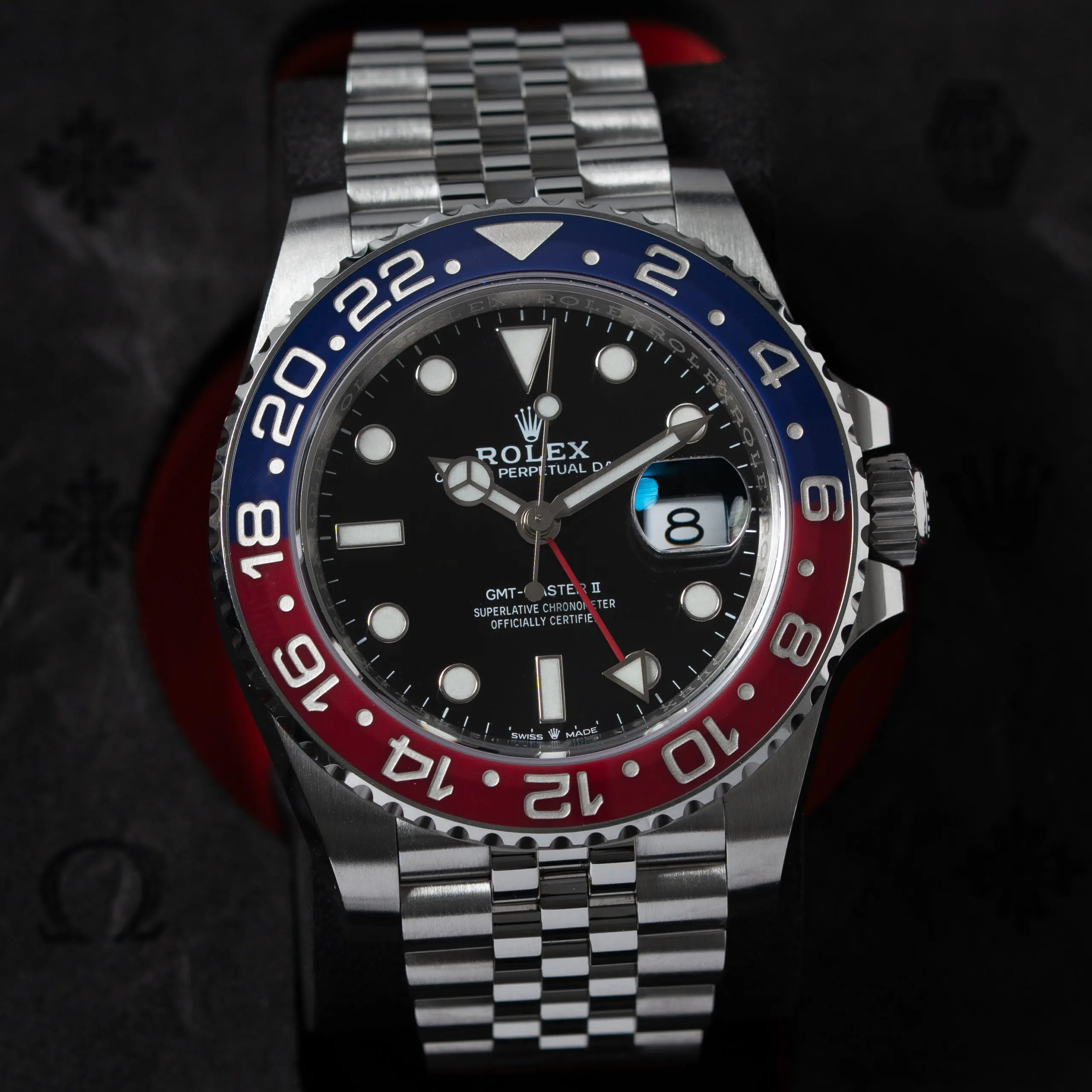
Rolex sports watches continue to dominate global demand due to their tool-watch heritage, daily wear versatility, and strong brand signaling. Models like the Submariner, GMT-Master II, and Daytona benefit from waitlists, limited allocations, and consistent cultural relevance.
Secondary market tracking from Hodinkee continues to highlight sustained buyer preference for steel professional models, particularly those tied to travel, diving, and motorsport heritage.
Dress watches, by contrast, appeal to a narrower collector segment. References like the Day-Date, Datejust, and Cellini prioritize precious metals, finishing, and formal wear alignment — traits that build prestige but limit mass liquidity.
Liquidity & Resale Behavior
Liquidity remains the single biggest differentiator between sports and dress Rolex watches. Steel sports references transact faster, with tighter bid-ask spreads and stronger dealer buyback positioning.
Buyers evaluating long-term retention often compare material composition alongside model category. We explored this deeper in our analysis on steel vs gold Rolex value retention, where secondary market exit speed plays a major role in realized ROI.
Precious metal dress watches may hold nominal value but typically require longer selling windows and greater pricing flexibility to transact.
Price Volatility & Risk
Sports models historically experience sharper appreciation cycles — but also sharper corrections. This volatility is tied to hype cycles, production rumors, and collector speculation.
Speculation-driven appreciation tends to amplify both upside and downside market swings.
Dress watches behave more like slow-moving stores of value. Their pricing is anchored closer to intrinsic material worth and traditional collector demand rather than short-term speculation.
Collector Psychology Shifts
Modern buyers increasingly prioritize versatility. A watch that transitions from casual to formal settings holds stronger daily wear appeal — reinforcing sports model dominance.
However, capital rotation patterns suggest institutional collectors are quietly re-accumulating legacy dress references.
Ultra-high-net-worth collectors are selectively acquiring precious metal Day-Dates and vintage Datejust configurations, viewing them as under-appreciated legacy assets within broader watch portfolios.
Investment Outlook for 2026
Heading into 2026, sports Rolex watches are expected to maintain stronger upside potential due to constrained supply, global brand heat, and continued first-time luxury buyer entry.
Dress references may benefit from relative undervaluation as seasoned collectors rebalance portfolios.
For pure investment performance, steel sports models remain the dominant play. For long-term wealth preservation and legacy collecting, dress Rolex references offer quieter but durable value positioning.
FAQ
Do Rolex sports watches always outperform dress models?
No — but they typically show stronger liquidity and appreciation due to broader demand.
Are dress Rolex watches a bad investment?
Not at all. They offer stability and long-term collector appeal, especially in precious metals.
Which is safer for first-time buyers?
Sports models are generally safer due to easier resale and stronger market visibility.