Comparisons
Rolex Submariner vs Sea-Dweller: Which Holds Value Better?
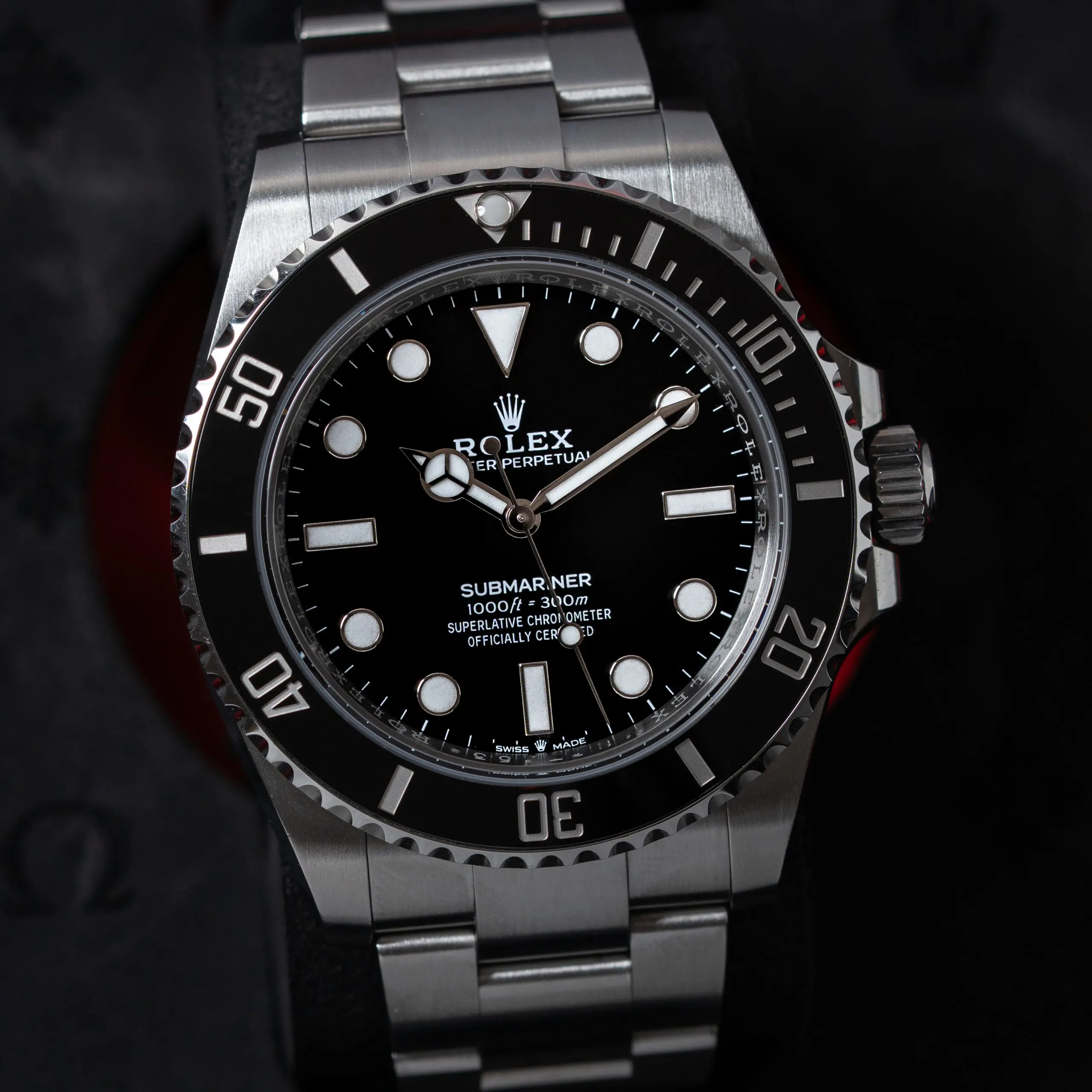
They’re adjacent icons, but they don’t behave the same on the resale market. One tends to move faster because it’s the default “first Rolex sports watch.” The other can carry a scarcity premium — but only for the right buyer.
Quick take: If you want the easiest exit (fast resale, broad demand), the Submariner usually wins. If you’re chasing a more “collector-leaning” premium, certain Sea-Dweller references can surprise — but liquidity can be slower.
Best fit: Sub = daily wear + instant recognition. Sea-Dweller = bigger presence + fewer “casual” buyers.
What “holds value better” actually means
Most people mean one of two things: (1) which watch loses less after you buy it, or (2) which watch you can resell with the least friction. Those are not the same.
Value retention is a mix of demand, supply, reference-specific desirability, and how easily the average buyer understands what they’re looking at.
In practice, “better” usually comes down to liquidity (how fast you can sell near market price) versus scarcity (how high the right example can trade when the market lines up).
Resale liquidity: who sells faster
If you list a clean Submariner at a fair market price, it typically attracts more messages, faster. It’s the watch people search for first, recognize instantly, and feel safe buying without deep research.
For a neutral, side-by-side look at how buyers compare the two models, Chrono24’s editorial breakdown of the Sea-Dweller vs Submariner shows how demand skews toward everyday wearability.
The Sea-Dweller tends to have a smaller “casual buyer” pool. That doesn’t make it weaker — it just means resale usually depends more on the exact reference and presentation.
Scarcity premium: where Sea-Dweller can win
Sea-Dweller demand is more reference-driven. When a specific reference hits the right mix of story, specs, and collector attention, it can trade at a noticeable premium.
This is where value retention becomes less about speed and more about positioning.
Think of the Submariner as a high-liquidity blue chip, while the Sea-Dweller behaves more like a specialist asset — fewer buyers, but sometimes stronger pricing when everything lines up.
Sea-Dweller tends to do better when:
- ✓Condition is sharp and the watch is accurately represented
- ✓The reference is desirable to collectors, not just casual buyers
- ✓Box and papers support buyer confidence at higher prices
Wearability: the hidden driver of demand
Wearability directly affects demand — and demand is what protects value. The Submariner’s slimmer profile and lighter feel make it easier for more people to live with daily.
Even small differences in thickness and weight can meaningfully change how quickly a watch resells.
The Sea-Dweller’s larger presence appeals to a narrower audience, but that audience often knows exactly what it wants.
Verdict: which to buy for your goal
Choose the Submariner if your priority is flexibility, daily wear, and the cleanest resale path.
Choose the Sea-Dweller if you’re comfortable with a more reference-driven market and want potential scarcity upside.
Neither choice is wrong — value is best preserved when the watch fits both the market and the owner.
FAQ
Does the Submariner always hold value better?
No. It usually sells faster, but certain Sea-Dweller references can achieve stronger premiums when demand aligns.
Which is safer if I plan to resell in a year or two?
The Submariner, simply because of broader demand and faster liquidity.
What matters more than model choice?
Condition, correct pricing, and buying a reference the market actually understands.