Market Outlook & Predictions
Top 5 Rolex Models Quietly Skyrocketing in Value (No One’s Talking About #3)
The loudest Rolex “investments” usually peak first. The real upside in 2026 is showing up in quiet rotations: two-tone coming back, overlooked Datejust references compounding, and discontinued pieces heating up before the crowd notices.
Rotation signal: collectors are drifting away from “hype tax” pieces and back toward wearable, liquid references.
What’s outperforming: two-tone sports models, modern steel Datejust variants, and select Oysterflex configurations.
How to win: buy the reference the market will want after the next wave of hype fades.
Key risk: condition, dial variation, and full set status matter more than ever for premium capture.
1) Datejust “Wimbledon” (41mm): the stealth blue-chip
If you’re hunting for the best Rolex investment 2026 without wearing a neon sign, the Wimbledon Datejust 41 is quietly becoming the “grown-up” choice for collectors rotating out of louder sports references.
The value move here isn’t hype. It’s repeat demand: recognizable dial, daily-wear versatility, and strong liquidity across markets.
The buying edge is in details: dial condition, bracelet stretch tolerance (on older pieces), and whether you’re targeting the most transferable configuration for your region. For a broader framework on what actually holds value this year, see our Rolex investment signals for 2026.
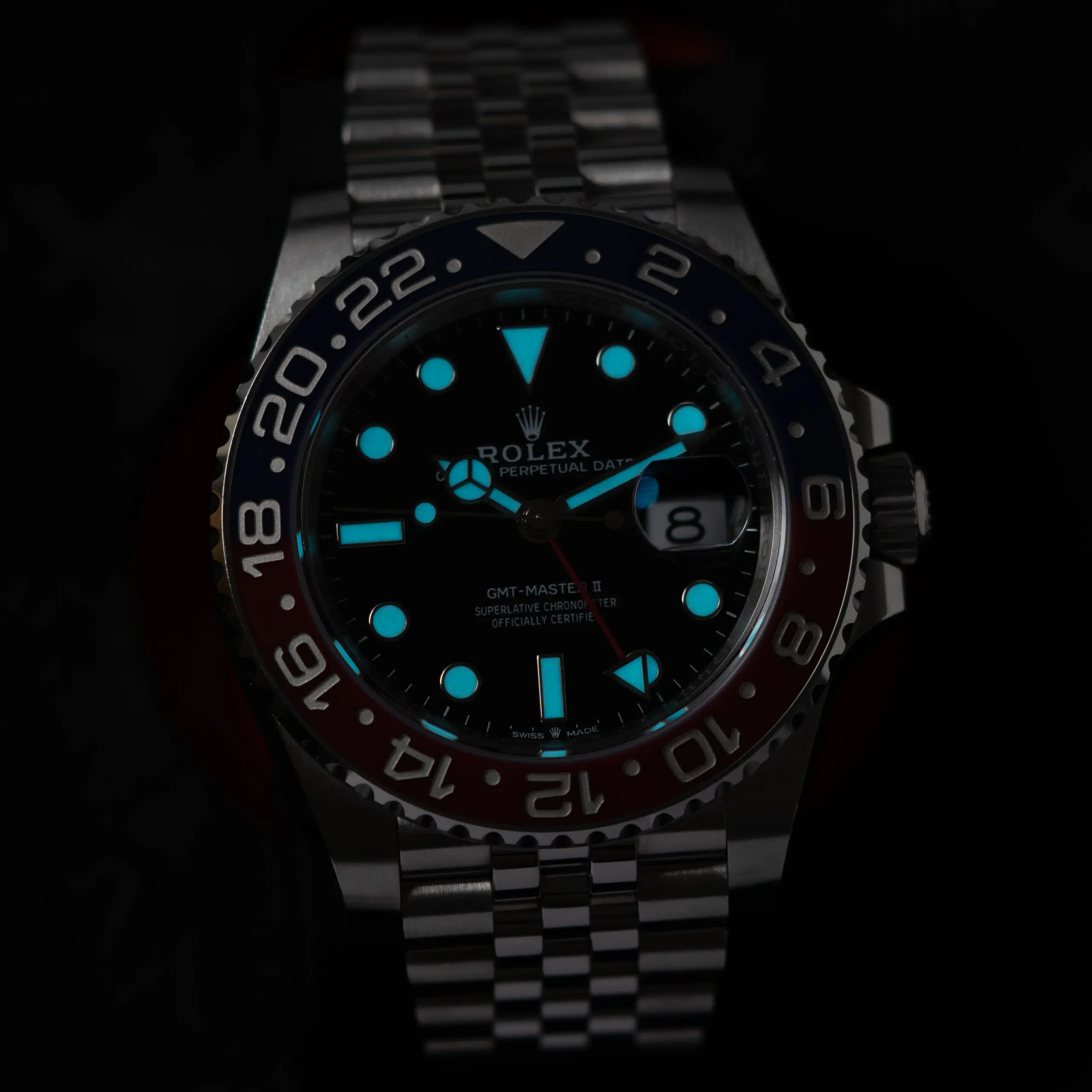
2) GMT-Master II “Root Beer”: two-tone is back
The Root Beer GMT is the poster child for the two-tone resurgence. It hits the sweet spot: instantly recognizable, wearable with anything, and “special” without being fragile.
Macro watch demand doesn’t move in a straight line. When broader luxury confidence rises, buyers tend to lean into warmer metals and more expressive references.
This is where psychology matters: collectors who got priced out of peak-hype steel pieces start looking for value-per-dollar in two-tone, and the Root Beer is one of the first beneficiaries. You can also see industry demand trends echoed in Swiss export reporting from the Federation of the Swiss Watch Industry (FH).
3) Yacht-Master Rhodium: the under-the-radar climber
No one wants to admit it, but the Yacht-Master Rhodium has become a “quiet flex” Rolex: sporty enough to feel premium, understated enough to avoid the hype premium. That combo is exactly why it’s creeping up on lists of undervalued Rolex models.
When collectors rotate out of hype pieces, they often choose references that look more expensive than they feel on the wrist, without screaming “investment.”
The market loves this watch in waves. The best timing usually appears when attention is elsewhere, then liquidity snaps back fast. If you’re comparing value trajectories across classic Rolex lines, our Datejust value guide helps you benchmark what “steady growth” really looks like.
4) Oysterflex Daytona: scarcity + modern demand
The Oysterflex Daytona sits at a rare intersection: modern wearing comfort, sport-lux appeal, and the kind of constrained availability that creates pricing pressure even when the broader market cools.
Buyers who “missed” the steel Daytona era often pivot here because it still feels current, and it doesn’t rely on nostalgia to justify the premium.
If you want upside without gambling, focus on clean examples with strong provenance. Condition, set completeness, and service history matter more here than most buyers realize.
5) Vintage Datejust: compounding growth (not hype)
Vintage Datejust growth is rarely explosive week-to-week, but it’s one of the most reliable “compounding” corners of the Rolex world. As newer buyers mature, they start valuing dials, patina, and period-correct details more than whatever the internet is shouting about.
The biggest mistake is buying “vintage-looking” instead of truly correct: incorrect hands, refinished dials, or mismatched parts can erase upside.
The play is simple: buy correctness, keep documentation, and choose references with enduring design language. That’s how you ride the long curve of Rolex watches increasing in value without depending on hype cycles.
Are these guaranteed Rolex investments for 2026?
No. Prices can move up or down. The goal is to target demand patterns, liquidity, and reference strength to improve your odds.
What matters more: reference or condition?
Both, but condition and correctness often decide whether you capture the premium when it’s time to sell or trade.
How do I avoid buying into “hype tax”?
Prioritize wearability, repeat-buyer demand, and references that stay desirable even when social media moves on.