Which Luxury Watches Are Safest Stores of Value in 2026
As more buyers enter the market focused on capital preservation, understanding which watches hold value in 2026 matters more than ever. Liquidity, brand depth, and exit risk now outweigh hype.
Buyers prioritizing capital preservation and resale optionality
Low to moderate, depending on reference and condition
Why “Store of Value” Matters More in 2026
Luxury watches are no longer judged only by aesthetics or brand prestige. In 2026, buyers are increasingly focused on downside protection, liquidity, and the ability to exit without heavy losses.
Rising interest rates, uneven global growth, and tighter consumer spending have reshaped buyer behavior. Instead of chasing short-term appreciation, many collectors now treat watches as portable, liquid assets that must justify their capital allocation.
This shift has been driven by economic uncertainty, tighter discretionary spending, and more educated buyers.
Recent market analysis from Hodinkee shows how the secondary market continues to reward established references while penalizing speculative buying.
Brand Depth and Market Liquidity
The safest watches to hold value come from brands with deep catalogs, long production histories, and global demand. These brands benefit from decades of price discovery and consistent collector interest across multiple market cycles.
Liquidity is a function of how many buyers exist at any given moment. Brands with international recognition allow sellers to access demand not just locally, but globally, reducing reliance on a single market or buyer segment.
Liquidity matters more than peak pricing — the ability to sell quickly often defines true value retention.
When demand spans multiple regions and buyer types, prices tend to stabilize even during broader market pullbacks, making these brands safer long-term holds.
References That Historically Hold Value
Not every model within a strong brand performs equally. Watches that hold value in 2026 tend to share specific characteristics: conservative design, recognizable silhouettes, and continuity across generations.
References that evolve slowly over time benefit from accumulated trust. Buyers feel confident purchasing them on the secondary market because they understand what they are getting and how the watch fits into a broader lineage.
Steel sports models and classic dress references continue to outperform trend-driven pieces.
Condition, originality, and complete sets play an outsized role when capital preservation is the priority, especially as buyers become more selective and price-sensitive.
Exit Risk: What Most Buyers Overlook
Exit risk refers to how difficult it is to sell a watch without taking a significant haircut. Even high-end watches can carry meaningful exit risk if the buyer pool is narrow or seasonal.
Illiquid references may appear valuable on paper but require extended selling timelines or steep discounts to move, particularly during market slowdowns.
A watch that sells slowly is often riskier than one that trades frequently at slightly lower margins.
In 2026, smart buyers evaluate resale velocity, buyer demand consistency, and transaction frequency — not just historical appreciation charts.
Safest Luxury Watch Brands for Value Retention
Brands with consistent secondary demand, limited downside volatility, and global recognition remain the safest stores of value for capital-focused buyers.
These brands benefit from deep dealer networks, established collector bases, and decades of pricing data that reinforce buyer confidence.
They also tend to recover faster after market corrections.
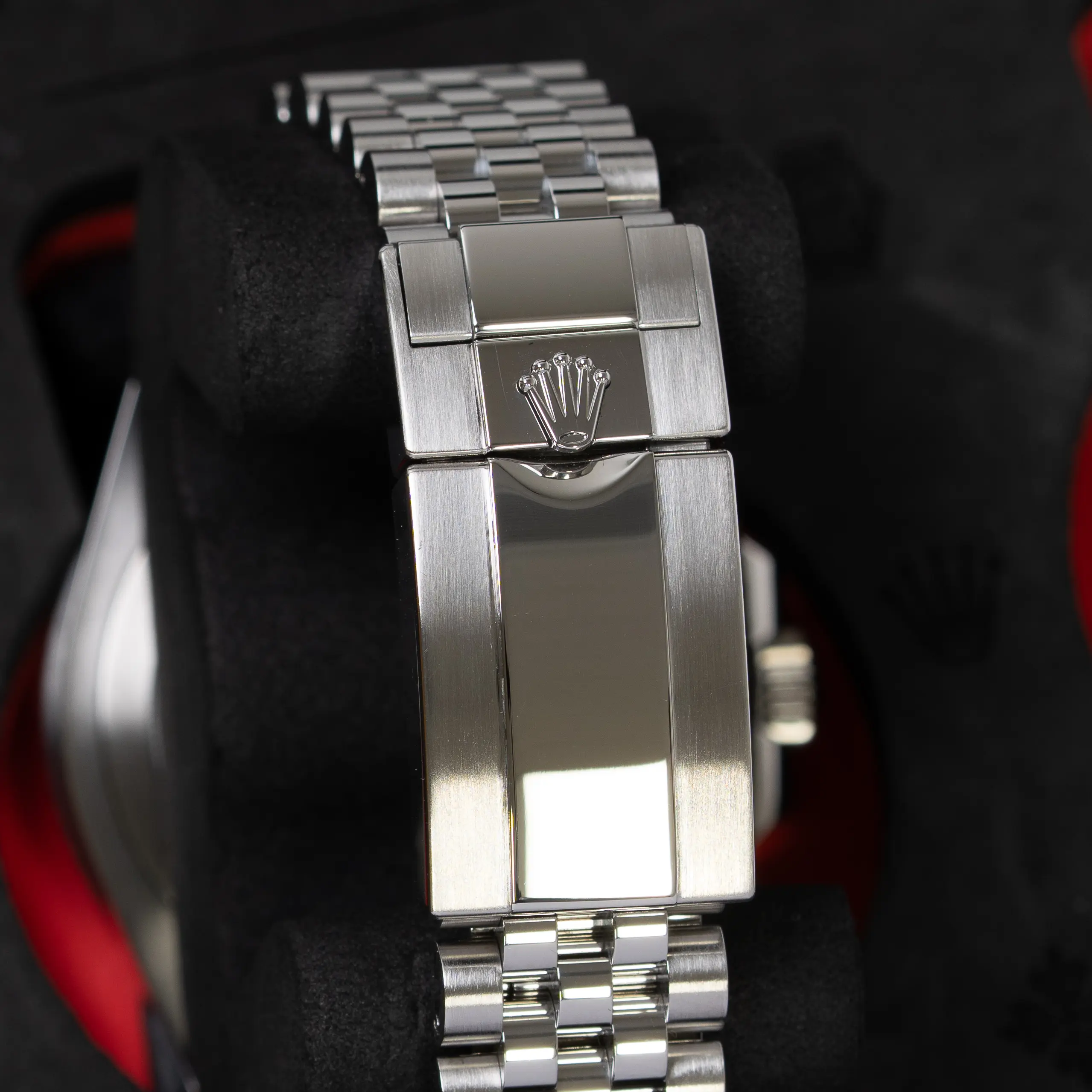
In 2026, capital-focused buyers continue to favor Rolex, Patek Philippe, Audemars Piguet, and select references from Vacheron Constantin due to their proven liquidity and resilience.
FAQs
Are luxury watches still a safe store of value in 2026?
Yes — but only specific brands and references with proven liquidity and sustained demand.
Do all Rolex watches hold value?
No. Certain models perform exceptionally well, while others behave like standard luxury goods.
What matters more: brand or reference?
Reference matters more. Even within top brands, value retention varies significantly by model.