Market Outlook & Predictions
Why Rolex Prices Are Rising Again in 2026 — Shortage, Demand, or Market Manipulation?
Rolex pricing in 2026 is starting to feel “familiar” again: fewer clean deals, faster sell-through, and certain references quietly creeping up week after week. The question isn’t just are prices rising — it’s why they’re rising, and whether this is a real reset or a temporary squeeze that fades once supply loosens.
Fast take
Rising again doesn’t always mean “bubble.” It often starts as a liquidity + supply shift.
What to watch
Daytona, GMT, Sky-Dweller tend to lead rebounds first — then the rest of the catalog follows.
Buyer risk
Overpaying happens when you chase the headline. Smart buying happens when you follow inventory + spreads.
Best move
Buy based on exit clarity (who would buy it from you later), not just “it’s going up.”
1) Is the grey market tightening again — or just getting smarter?
When people say “Rolex prices are going up again,” what they’re often noticing first isn’t the retail side — it’s the grey market spread. In early rebounds, the cheapest listings disappear, the “full set, clean condition” pieces sell faster, and suddenly the average buyer feels like there’s “no inventory,” even if the total number of listings hasn’t collapsed.
In other words: a rebound can begin as a quality squeeze before it becomes a true scarcity event.
This is also where hype gets manufactured. If you only track the loudest asking prices, you’ll think the market is mooning. If you track actual sell-through and which conditions are moving, you’ll see a more realistic story. For a deeper baseline on where the market is headed this year, start with our Rolex price predictions for 2026.
2) Shortage vs demand: what actually moves prices in 2026
The simplest way to understand 2026 pricing is this: prices rise when demand becomes impatient while available supply becomes selective. You don’t need “market manipulation” for that — just a handful of high-demand references where buyers refuse to wait, plus sellers who don’t need to discount.
Macro signals still matter, but Rolex often moves on its own clock because the buyer is emotionally motivated and the supply is structurally constrained.
If you want one clean external reality check, compare what collectors feel locally to broader industry export behavior and trend context like Swiss watch industry statistics. It won’t tell you which Rolex reference spikes next, but it helps confirm whether we’re in a “tightening” environment or just a noisy week online.
3) Are dealers holding inventory (and why that matters)
Yes — and not always in a shady way. In a rising tape, holding inventory is rational: why race to sell today if you expect higher realized prices in 30–60 days? The important part is which inventory gets held. In most rebounds, dealers hold the pieces that act like “market leaders” and let everything else move normally to keep cashflow healthy.
The “held back” inventory tends to be the references that are easiest to sell instantly when sentiment flips positive.
For buyers, this creates a trap: you’ll see fewer attractive listings, assume “shortage,” and overpay — even though the shortage is more about deal quality than total supply. That’s why the right question isn’t only “are Rolex prices going up again,” but “is the price going up because it’s truly scarce, or because the good pieces are temporarily off-market?”
4) Which models are leading the rebound right now
Historically, rebounds don’t lift every Rolex equally. The leaders usually share three traits: global liquidity, status certainty, and fast exit demand. That’s why the usual suspects keep showing up first: Daytona, GMT-Master II, and Sky-Dweller.
Leaders move first because they’re the easiest “yes” when buyers re-enter the market — and the easiest “sell” when owners want liquidity.
- Daytona: strongest “status anchor” and typically the first to firm up
- GMT-Master II: high daily-wear appeal + collector depth across references
- Sky-Dweller: often jumps when buyers want something “bigger than a Datejust” but still Rolex
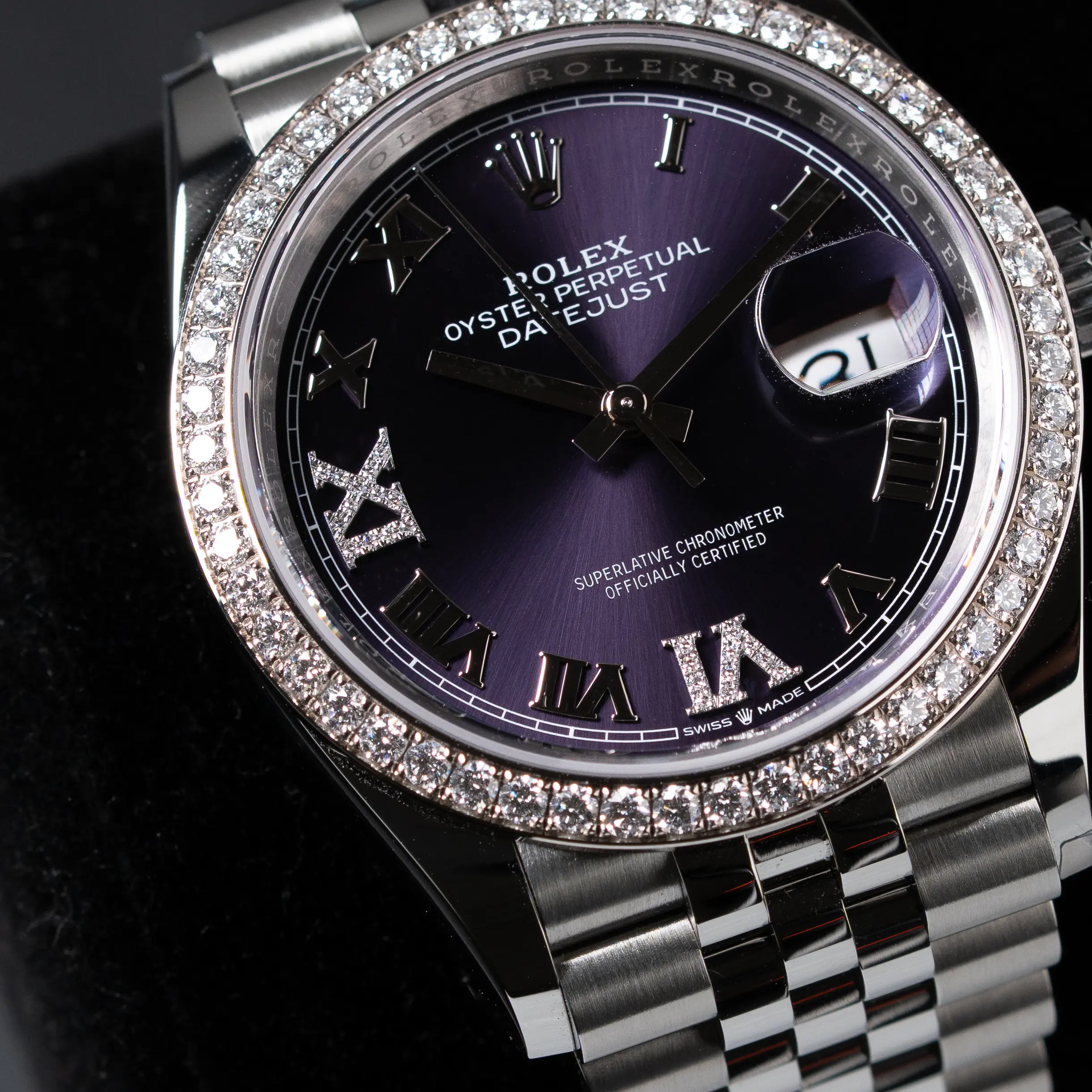
- Selective Datejust configurations: certain dials/bezels behave like sports models in disguise
If your decision is “buy now or wait,” it helps to separate market leaders from market followers. We break that logic down here: should you buy a Rolex now or wait?
5) Another 2021 surge… or a temporary squeeze?
A true 2021-style surge is characterized by broad, irrational bid behavior: almost everything rises, spreads explode, and buyers stop negotiating. A temporary squeeze looks different: leaders firm up, low-quality deals disappear, and sellers test higher numbers — but buyers still hesitate.
If negotiation is still alive, it’s usually not a mania. It’s a reset.
Here’s the practical takeaway: if you’re buying for enjoyment, buy what you love — but buy it clean (condition, completeness, provenance). If you’re buying as an “investment,” your edge is not predicting the headline — it’s choosing references with strong exit demand and avoiding the pieces that only sell when everyone is euphoric.
Are Rolex prices going up again in 2026?
Many segments are firming up, especially the “leader” models. But the more accurate view is that clean inventory is tightening first, and prices follow after.
Should I buy a Rolex now or wait?
If you’ve found the right reference in clean condition at a fair number, waiting can cost more than it saves. If you’re chasing hype listings, waiting may help.
Is this market manipulation or real demand?
Some behavior looks like “holding back,” but a lot of price movement comes from normal dealer strategy during rebounds plus buyers becoming impatient again.