Education & Trust
Ceramic vs Aluminum Rolex Bezels: What Collectors Want
How Rolex moved from aluminum bezel inserts to Cerachrom ceramic, why faded aluminum can add value, why replacement inserts hurt it, and where demand is going.
Contents 5
A Rolex bezel says more than how the watch looks. The move from vintage aluminum inserts to modern Cerachrom ceramic tracks changes in durability, in how Rolex builds watches and, above all, in what collectors want from each era.
From tool watch to luxury engineering
Early Rolex sports models, especially GMT-Master and Submariner references, had anodized aluminum bezel inserts: light, durable and easy to swap in the field. Back then these were working tools, not collector pieces. The inserts were meant to be replaced, because function mattered more than keeping the watch looking new.
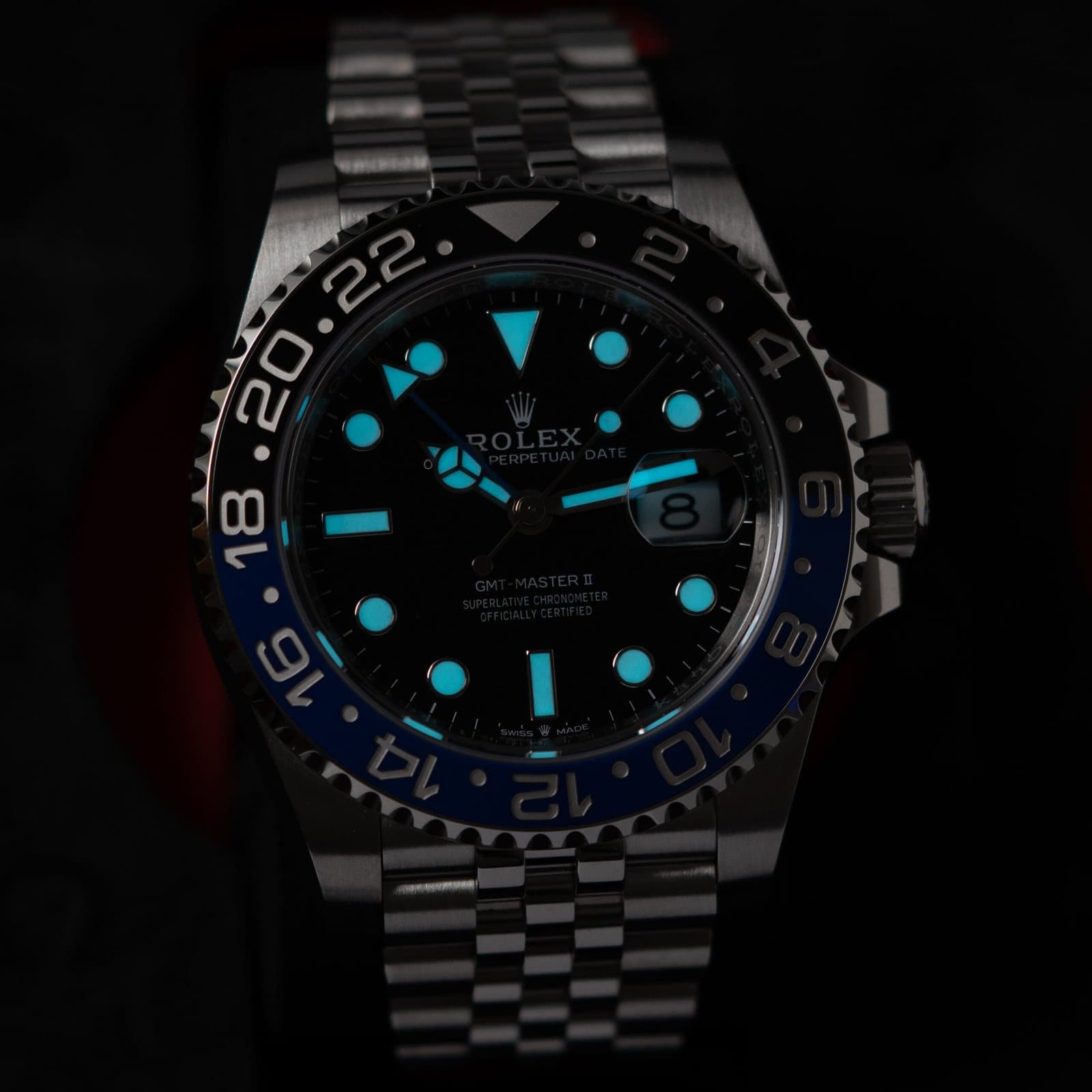
The move to ceramic began in the mid-2000s, when Rolex introduced its own Cerachrom material. It resists scratches, doesn’t fade in sunlight and keeps its color, which fits the brand’s modern luxury position.
What aging tells the market
Aluminum bezels age where you can see it. Fading, ghosting and color shifts come naturally from sunlight and wear. What used to count as damage now often reads as proof of a real, honestly worn watch. Faded bezels and aged dials have become part of what makes vintage pieces desirable.
Ceramic barely ages at all. Its color, scratch resistance and shine appeal to buyers who want a watch that looks the same for decades.
Patina vs perfection
Collectors often split by bezel material. Vintage fans prefer aluminum for the story it tells, since every insert ages differently depending on where and how the watch was worn. Patina turns a functional part into something unique that ceramic rarely matches.
Buyers looking at vintage pieces check whether the bezel is original and what condition the insert is in, along with the case shape. We cover these signs in our guide to vintage Rolex investing.
What it means for value
An aluminum bezel’s value depends heavily on whether it is original. Watches that keep their factory inserts, especially in rare colors, can bring real premiums over watches fitted with service replacements. A replacement works fine, but it often makes the watch less desirable to collectors because it removes the aging that ties the watch to its era.
Ceramic rarely needs replacing. That keeps the watch looking consistent for as long as you own it, but it also means there is no premium from unique aging.
- Original aluminum inserts drive vintage premiums.
- Service replacements can lower collector value.
- Ceramic keeps the look consistent.
- Each aluminum insert fades differently, which makes each watch unique.
Ceramic resists scratches very well but isn’t indestructible: a hard knock can chip it, though that is uncommon.
Where demand is heading
The market looks set to keep splitting in two. Neo-vintage references with aluminum bezels are getting more attention as supply tightens, especially unpolished watches with their original inserts. Ceramic models still lead new-watch demand and are easy to sell on the secondary market, because they stand up to daily wear.
Aluminum appeals to collectors who value originality and aging; ceramic to buyers who want durability. Either way, the bezel material now tells a buyer a lot about a watch’s era and where it sits in the Rolex range.