Buying Guides
Do Box and Papers Really Increase Rolex Resale Value?
What a Rolex box and papers set includes, why the warranty card matters most, when a full set adds value, and when missing papers matter less than buyers think.
Contents 5
For pre-owned Rolex buyers and sellers, “box and papers” is one of the most argued-over parts of the price. Some say it’s essential. Others call it packaging. The truth is in between, and knowing how it affects trust, price and how fast a watch sells can make a real difference when you sell.
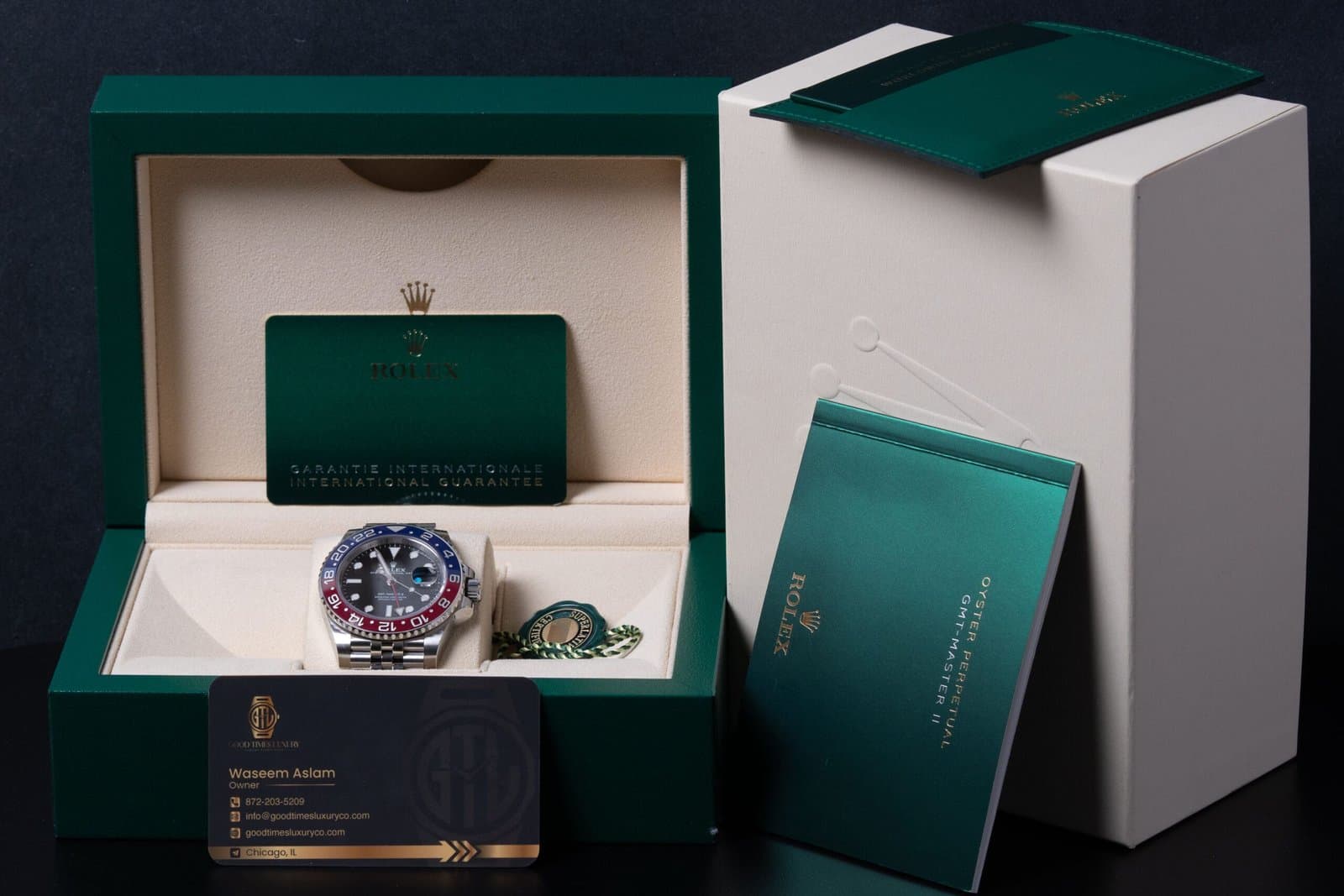
What “box and papers” includes
It means the original set the watch came with: the outer box, the inner Rolex presentation box, the warranty card, booklets, hang tags, and sometimes the bezel protector or original receipt.
The warranty card matters most. It supports provenance, shows when the watch was bought and helps trace its ownership. Recent Rolex warranty cards are valued because they tie a watch to a clearer paper trail, and for collectors that history adds confidence when the watch is sold again.
How much value they add
A full set can add real value, depending on the model, its rarity and the market. Highly collectible references, such as discontinued GMT or Daytona versions, often see the biggest premiums for a complete set, especially when buyers are competing. Full sets also tend to sell faster than watch-only listings.
The premium isn’t fixed. Common references, like many Datejust configurations, usually see a smaller lift, because there are plenty of them and buyers have other options.
Trust
Beyond price, box and papers make buyers feel safer. Many see a full set as lower risk even when the watch has already been checked, because paperwork removes doubt and makes the sale feel cleaner. This matters most in private sales, where the papers help bridge the trust gap between strangers.
Papers alone don’t prove a watch is genuine. They support its history; the watch itself still has to be checked by people who know what to look for. Our guide to what to ask before buying a $20,000 watch treats paperwork as one part of a wider check.
When missing papers matter less
Not every missing-papers case is equal. Vintage Rolex from earlier decades often trades without papers, because few owners kept them and many sets were thrown away long ago. For those watches, condition, original parts and a believable service history can count for more than the box.
Watches checked and sold through reputable dealers may also see a smaller penalty without papers, since the dealer’s inspection gives many buyers the confidence the papers would. Rolex generally doesn’t reissue original warranty papers, though service records can help document a watch over time.
Investor or wearer
If resale is your main goal, buy the full set. Papers make a watch easier to sell, widen the pool of buyers and strengthen its story, especially for references collectors follow closely.
If you plan to wear the watch for years, a watch-only piece at a fair discount is a perfectly sensible buy. Buying without papers isn’t risky in itself. The risk depends on the seller, the inspection and whether the price reflects what’s missing.